Caring for Your Ortho Knee Brace: A Guide to Properly Care and Clean

Orthopedic knee braces serve as crucial aids in supporting injured or compromised knees, providing stability protection, and facilitating the healing process. Proper maintenance and knee brace care are essential to ensure that these braces continue to deliver their intended benefits. Read on to discover and learn the comprehensive guide on how to take care of your ortho knee brace, highlighting the steps to maintain its hygiene, durability, and effectiveness.
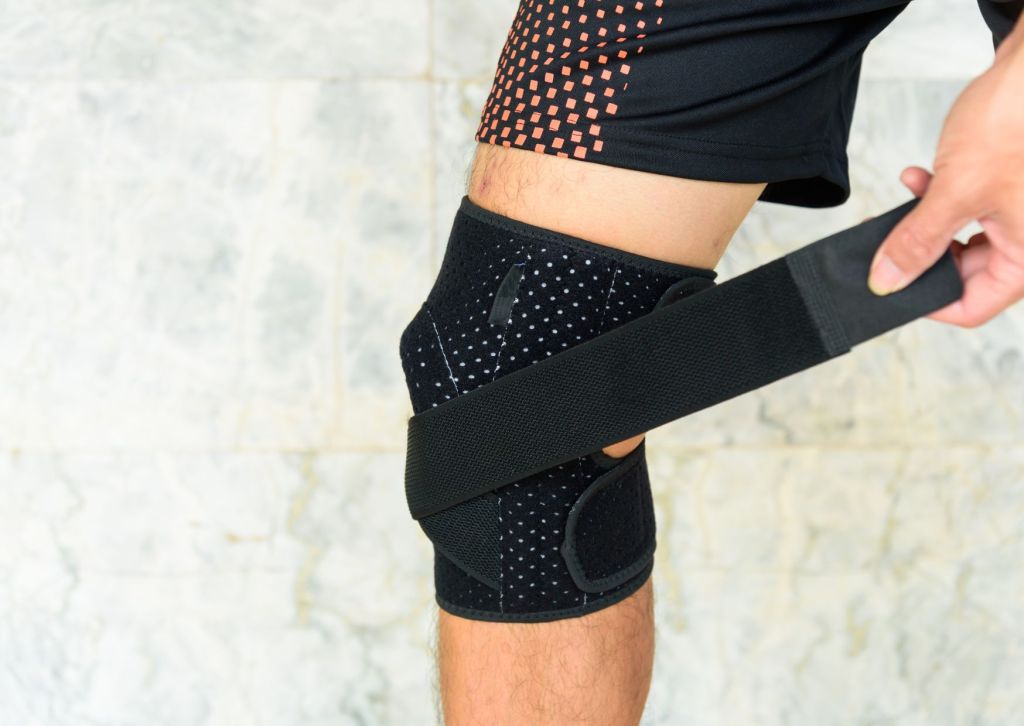
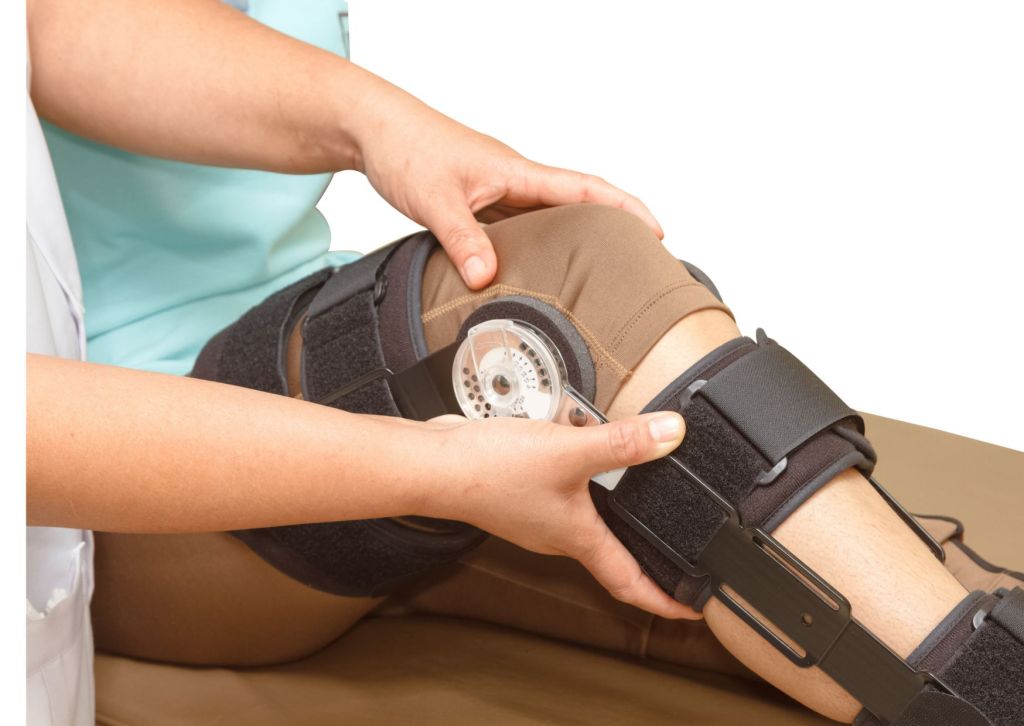
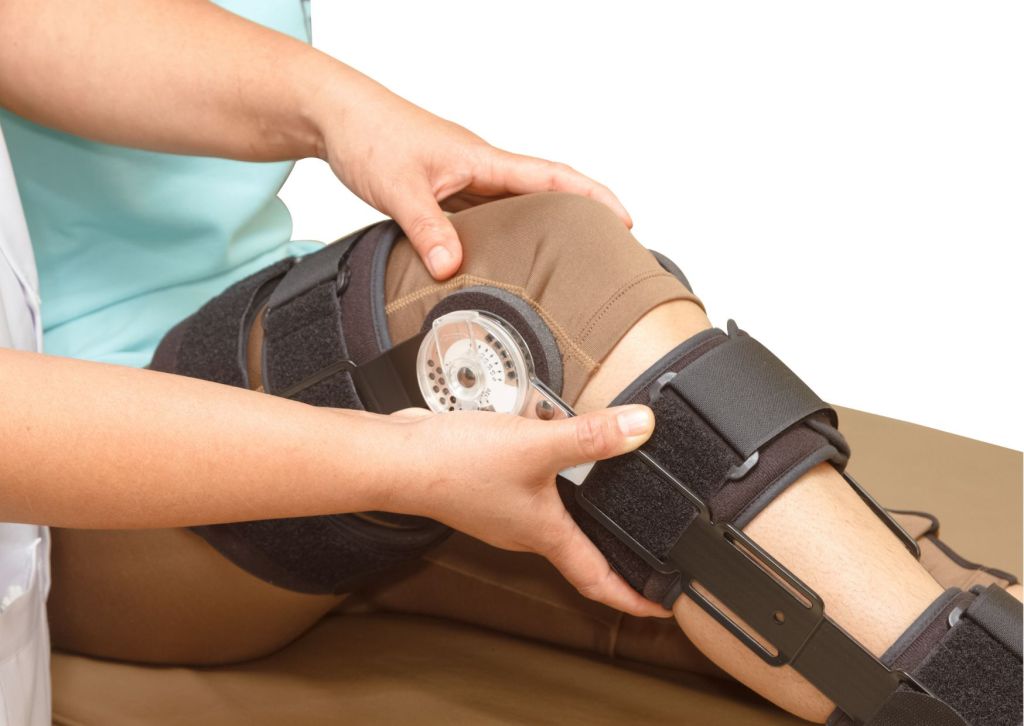
ortho knee brace

Cleaning Your Ortho Knee Brace

Regular cleaning of your ortho knee brace is vital to prevent the accumulation of sweat, dirt, and bacteria. To clean the knee brace, follow these steps:

  • Check Manufacturer’s Instructions: Consult the manufacturer’s instructions for specific cleaning guidelines. Different materials and designs may require other cleaning methods.
  • Remove Straps and Supports: If possible, remove any removable straps, supports, or cushions from the brace. This allows you to clean each component thoroughly.
  • Hand Wash: For most knee braces, hand washing is recommended. Use a mild soap and lukewarm water to create a soapy solution. Gently scrub the brace with a soft cloth or sponge.
  • Rinse Thoroughly: After cleaning, rinse the brace thoroughly with clean water to remove residue from soaps.
  • Dry Properly: Allow the brace to air dry completely before reassembling it. Avoid direct heat sources such hairdryers, as excessive heat can damage the materials.
  • Avoiding Excessive Moisture: Excessive moisture can lead to discomfort and deterioration of the brace over time. To prevent this:
  • Take Breaks: Remove the brace briefly during the day to allow your skin to breathe and reduce moisture buildup.
  • Store Properly: Store your brace in a cool, dry place when not in use. Avoid leaving it in direct sunlight as these conditions can degrade the materials.

Reach Out for Professional Guidance

If you need help caring for your specific ortho knee brace, feel free to seek guidance from your healthcare provider or the manufacturer. They can share tailored recommendations based on the type and material of your brace.

Your ortho knee brace is more than just a medical device; it’s a lifeline that supports your healing journey. Adopting proper care and maintenance practices ensures that your brace remains a reliable companion, delivering the stability and support you need to regain your mobility and well-being. Regular cleaning, moisture management, structural maintenance, and hygiene preservation will not only prolong the lifespan of your brace but also optimize its effectiveness in aiding your recovery.
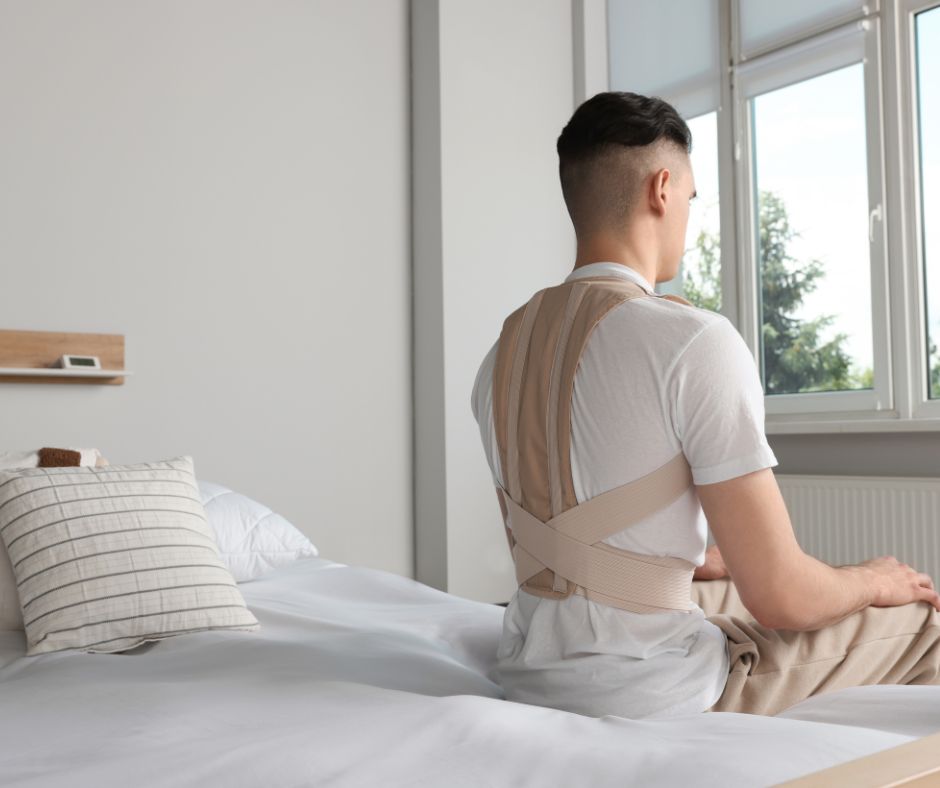
Posture and Beyond: How Spinal Braces Support Spinal Health

Maintaining a healthy spine is important for overall well-being, as it plays a central role in supporting our body’s structure and facilitating various movements. For individuals dealing with spinal conditions, injuries, or even postural issues, the importance of spinal health becomes even more evident. Spinal braces, also known as orthotic devices, serve as valuable tools in the journey toward better spinal health.

spinal brace

Understanding Spinal Braces

Spinal braces are medical devices designed to support and stabilize the spine. They come in various shapes and sizes, each tailored to address specific spinal issues. Healthcare professionals often recommend these braces to alleviate pain, correct deformities, aid in rehabilitation after spinal surgeries, and improve posture. While the primary function of spinal braces is to provide mechanical support, they offer a range of additional benefits that contribute to overall spinal health.

Posture Correction and Alignment

One of the most well-known functions of spinal braces is their role in correcting poor posture. Modern lifestyles, characterized by prolonged sitting and hunching over screens, can lead to postural imbalances that strain the spine. A spinal brace, especially those designed for postural support, encourages proper alignment by gently guiding the spine into a neutral position. This reduces muscle strain and helps prevent the progression of posture-related problems that could lead to chronic pain and spinal deformities.

Relief from Pain and Discomfort

Individuals suffering from conditions such as scoliosis, kyphosis, or herniated discs often experience pain and discomfort due to the misalignment of the spine. Spinal braces are designed to provide targeted support to the affected areas, effectively redistributing pressure and reducing pain. By stabilizing the spine and limiting excessive movement, braces can offer significant relief to individuals dealing with chronic pain, allowing them to engage in daily activities with greater comfort.

Support During Healing

Following spinal surgeries or injuries, the spine requires time to heal correctly. Spinal braces play a crucial role in post-surgical rehabilitation by providing external support that prevents excessive movement and minimizes the risk of complications. These braces offer a protective barrier that supports the healing process, allowing the injured tissues to mend without undue stress or strain. Moreover, the controlled immobilization provided by spinal braces ensures that the spine heals in the correct anatomical alignment.

Preventing Further Degeneration

Certain spinal conditions can worsen over time without proper intervention. Spinal braces can act as preventive measures, halting the progression of conditions like scoliosis in growing adolescents. By applying gentle pressure and guidance, these braces can guide the spine towards a healthier alignment, reducing the risk of further deformity and the need for more invasive treatments in the future.

Customized Treatment Plans

Every individual’s spinal condition is unique, requiring a tailored approach to treatment. Spinal braces are not one-size-fits-all solutions; they are customized to address specific issues and adapt to the patient’s needs. Orthotists work closely with healthcare providers to design braces that accommodate the patient’s anatomy, diagnosis, and treatment goals. This approach ensures that patients receive the optimal support required for their condition, promoting effective healing and improved spinal health.

Lifestyle Enhancement

While spinal braces are often associated with medical conditions, they can also enhance the daily lives of individuals seeking improved spinal health. Athletes, for example, use specialized braces to prevent spinal injuries during sports activities. Additionally, individuals with physically demanding jobs can benefit from braces that provide support during heavy lifting and repetitive motions, reducing the risk of strain and injury.

Spinal braces are multifaceted tools that extend beyond posture correction. By offering alignment, pain relief, support during healing, and prevention of further degeneration, these devices contribute significantly to maintaining and enhancing spinal health. Whether used as part of a treatment plan for spinal conditions or as a preventive measure, spinal braces provide valuable assistance in promoting a healthier, pain-free spine, enabling individuals to lead active and fulfilling lives. Consulting with a healthcare professional or orthodontist is essential to determine the most suitable spinal brace for individual needs, ensuring optimal spinal health and overall well-being.

The Benefits of Using a Foot Brace for Fractures: A Guide to Recovering from Foot Injuries

Suffering from a foot fracture or injury can be debilitating and impact your mobility and daily activities. In such cases, using a foot brace can play a crucial role in the recovery process. A foot brace provides support, stability, and protection to the injured foot, facilitating healing and preventing further damage.

Let’s explore the benefits of using a foot brace for fractures and how it can help in the recovery from foot injuries. From immobilizing the foot to promoting proper alignment and reducing pain, a foot brace can be a valuable tool in your journey towards recovery.

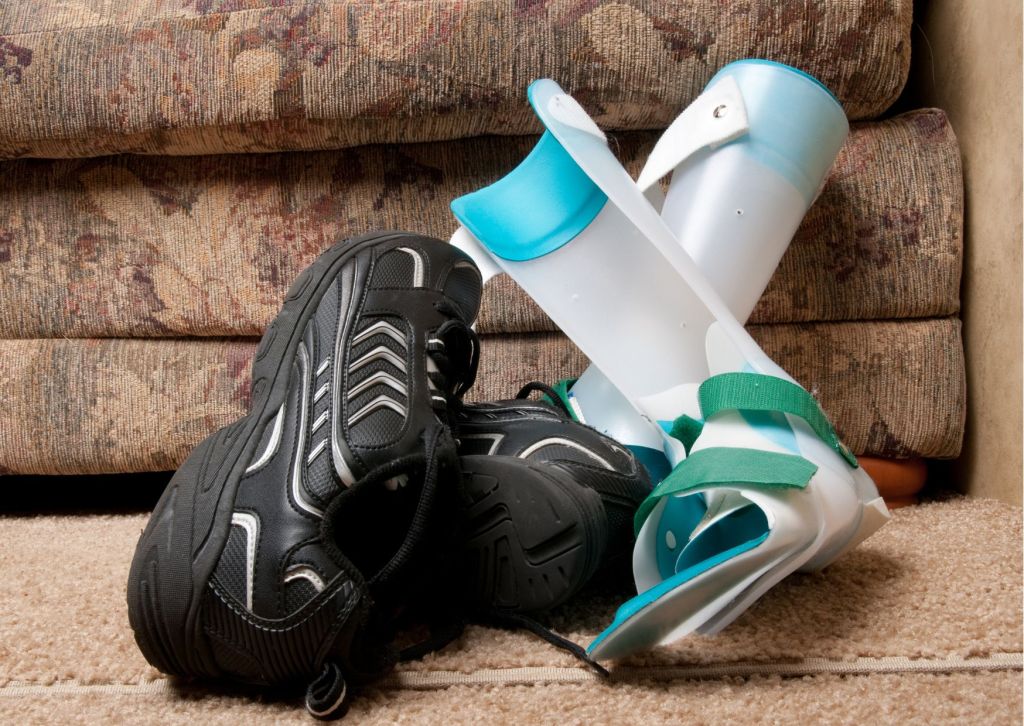
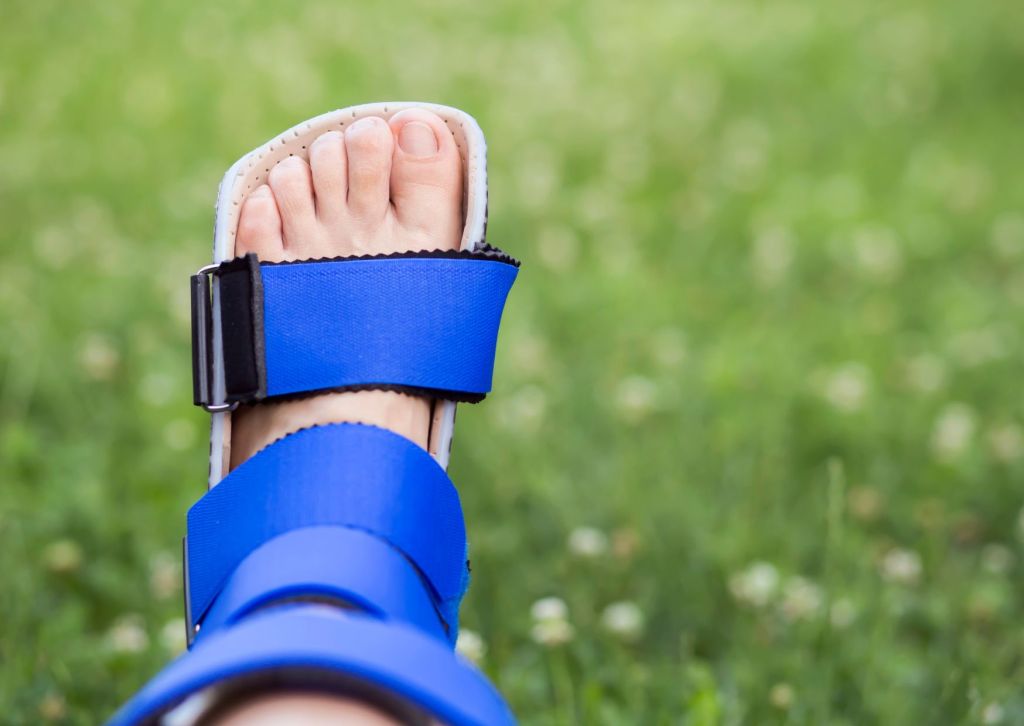
foot brace for fracture

Immobilization and Stability

One of the primary benefits of using a foot brace for fracture is the immobilization and stability it provides to the injured foot. Immobilization is essential for allowing the bones to heal properly without unnecessary movement or stress. A foot brace restricts the movement of the foot, keeping it in a fixed position and preventing excessive motion that could further aggravate the injury. By immobilizing the foot, a brace reduces the risk of additional fractures or complications, allowing the bones to mend effectively. Additionally, a foot brace offers stability, providing support to the injured foot and preventing instability that can lead to falls or further injury.

Protection and Reduced Pressure

A foot brace serves as a protective barrier for the injured foot, shielding it from external impacts and reducing the risk of accidental bumps or knocks that could exacerbate the fracture. It acts as a cushion, absorbing shock and distributing pressure away from the injured area. By reducing pressure on the affected foot, the brace helps alleviate pain and discomfort, promoting a more comfortable healing process. The protection provided by a foot brace also allows individuals to continue their daily activities with confidence, knowing that their injured foot is guarded against potential hazards.

Alignment and Proper Healing

Proper alignment is crucial for the healing process of foot fractures. A foot brace helps maintain the correct alignment of the bones, ensuring they heal in their anatomically correct positions. By immobilizing the foot and keeping it in the proper alignment, a brace promotes the formation of strong and healthy bone tissue. This is especially important for complex fractures or cases where surgical intervention is required. The brace prevents any movement or displacement that could hinder the healing process or result in malunion, where the bones heal in an improper position. By supporting proper alignment, a foot brace helps ensure a successful recovery and minimizes the risk of long-term complications.

Pain Management

Foot fractures often come with varying levels of pain and discomfort. A foot brace can play a significant role in pain management during the recovery process. By providing support and reducing pressure on the injured foot, the brace helps alleviate pain and allows individuals to engage in daily activities with less discomfort. The stabilization provided by the brace reduces the strain on the injured foot and surrounding structures, minimizing pain associated with movement. Additionally, some foot braces are designed with adjustable straps or compression features that allow individuals to customize the fit and level of support, further enhancing pain relief.

Gradual Rehabilitation and Mobility

As the healing progresses, it is essential to gradually regain mobility and strength in the injured foot. A foot brace can aid in this process by allowing controlled movement and supporting the foot during rehabilitation exercises. Some foot braces are designed with adjustable features that enable gradual adjustments as the healing progresses. This allows individuals to gradually transition from full immobilization to controlled movement, promoting flexibility and strength while minimizing the risk of reinjury. A foot brace can provide the necessary support and stability during weight-bearing activities, facilitating the rehabilitation process and helping individuals regain their mobility safely.

Psychological Support and Confidence

Dealing with a foot injury can take a toll on one’s emotional well-being. The use of a foot brace can provide psychological support and boost confidence during the recovery period. The brace serves as a visible reminder that steps are being taken to facilitate healing and regain normal function. It provides reassurance and a sense of security, knowing that the injured foot is being properly supported and protected. Additionally, the ability to engage in daily activities and rehabilitation exercises with the aid of a foot brace can help individuals regain a sense of independence and control over their recovery process, boosting their overall confidence and mental well-being.

Using a foot brace for fractures is a valuable tool in the recovery process from foot injuries. From providing immobilization and stability to protecting the injured foot and promoting proper alignment, a foot brace offers numerous benefits. It aids in pain management, facilitates gradual rehabilitation and mobility, and provides psychological support during the recovery period. If you have sustained a foot fracture, consult with a healthcare professional to determine the appropriate type of foot brace for your specific injury and embrace the support and benefits it can provide on your journey to recovery.

Preventing Summer Sports Injuries: Stay Safe and Enjoy the Game!

Summer is the perfect time to engage in outdoor sports and activities. However, taking simple precautions and adopting innovative practices can significantly reduce the risk of summer sports injuries. Let’s explore the effective strategies for injury prevention and provide helpful information on what to do if an injury occurs.

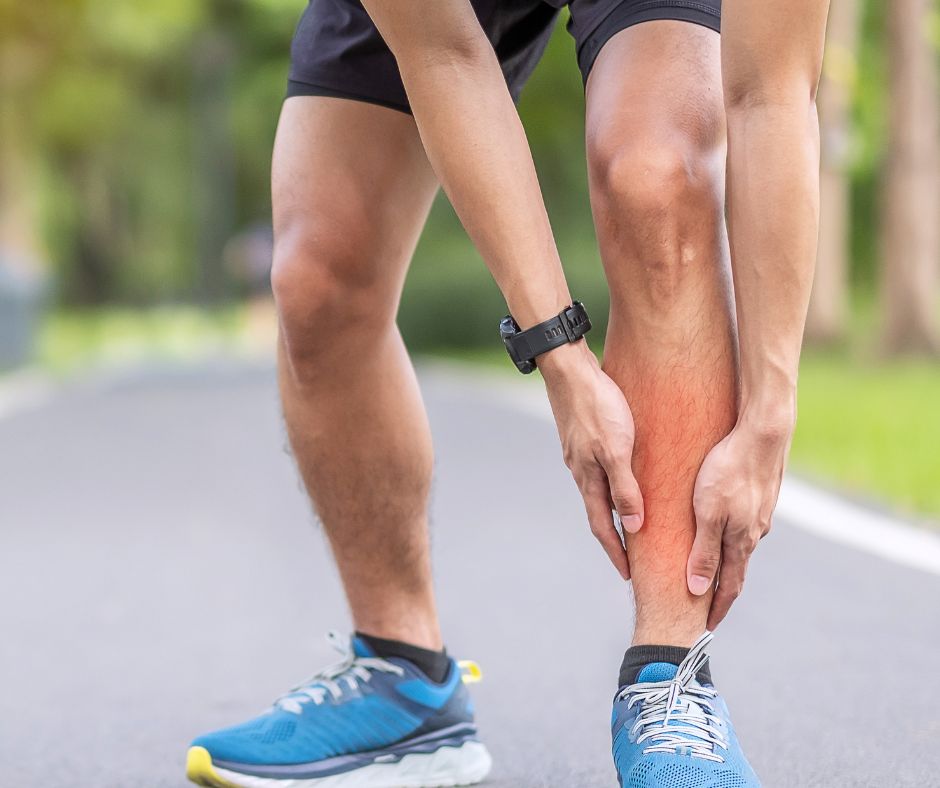
bracing for injury recovery

Tips to Prevent Summer Sports Injury

Warm Up and Stretch

Proper warm-up exercises and stretching routines are vital before engaging in physical activity. They help prepare your muscles, tendons, and ligaments for the demands of the sport. Spend 10-15 minutes warming up with light jogging, jumping jacks, or dynamic stretches.

Use Appropriate Protective Gear

Wearing the right protective gear is crucial for preventing sports injuries. Depending on your chosen activity, this might include helmets, pads, mouthguards, goggles, or supportive footwear. Ensure your equipment is in good condition, fits well, and is worn correctly.

Gradual Progression

Avoid pushing yourself too hard or taking on too much too soon. Instead, gradually increase your activities’ intensity, duration, and frequency. This approach allows your body to adapt and reduces the risk of overuse injuries and muscle strains.

Practice Proper Technique

Learning and practicing proper techniques is essential for injury prevention. Whether throwing a ball, swinging a racket, or tackling in a contact sport, using the correct form reduces strain on your body and minimizes the risk of acute injuries.

What to Do if an Injury Occurs?

Despite our best efforts, injuries can still occur. In a sports injury, taking immediate action to minimize damage and promote healing is essential. Here are some general steps to follow:

#1 Stop the Activity

If you sustain a sports injury, taking immediate action to minimize damage and promote recovery is essential.

#2 R.I.C.E Method

RICE stands for Rest, Ice, Compression, and Elevation. Allow the injured area to rest and avoid putting weight or stress on it. Next, apply ice wrapped in a cloth or a cold pack to the injured area for 15-20 minutes every 2-3 hours to reduce swelling and alleviate pain. Use an elastic bandage to compress the injured area, ensuring it is firm but tight. This helps control swelling. Additionally, elevate the injured limb above the level of your heart whenever possible to reduce swelling.

#3 Seek Medical Attention

If the pain persists, worsens, or you’re unsure about the severity of the injury, it is crucial to seek medical attention from a healthcare professional. They can provide a proper diagnosis, recommend appropriate bracing for injury recovery or treatment bracing, and guide you through recovery. Remember, it’s always better to be cautious and seek professional advice when dealing with sports injuries.

4 Factors to Consider for DME, Orthopedic Equipment and Bracing

When purchasing orthopedic equipment and bracing, making an informed decision is crucial to ensure you find the right products that meet your needs. Whether you’re seeking relief from pain, recovering from a sports injury, or looking to enhance your mobility, there are certain factors to consider before purchasing. Here’s a comprehensive guide on what to look for when buying orthopedic equipment and bracing.

orthopedic equipment and bracing Honesdale

Assess Your Specific Needs:

Before purchasing orthopedic equipment or bracing, evaluating your needs with a medical professional is essential. Understanding your needs will help you choose the appropriate equipment or brace for optimal results.

Consult with Healthcare Professionals:

It is advisable to consult with healthcare professionals such as orthopedic specialists or physical therapists for complex orthopedic conditions or injuries. They can offer valuable insights and recommendations on the most suitable equipment or bracing options based on your circumstances.

Quality and Durability:

Quality and durability are vital factors in orthopedic equipment and bracing in Honesdale, PA. Look for products made from high-quality materials that offer stability, support, and comfort. In addition, check for adjustable straps, breathable fabrics, and reliable closures. Durability ensures that the equipment or brace will withstand regular use and provide long-term benefits.

Proper Fit and Sizing:

A crucial aspect of orthopedic equipment and bracing is ensuring proper fit and sizing. Ill-fitting equipment or braces can cause discomfort and may not provide the intended support. Before purchasing, refer to the manufacturer’s size chart and measure the specific area accurately to find the right size. In addition, some products may require custom fittings, so consult a healthcare professional.

Medical Treatments for Patella Fractures

Patella fractures are broken kneecaps. They’re most common in young adults and can be caused by direct knee trauma, a fall, or other accident.

They happen when the patella (the kneecap) separates from or is dislocated from its normal position on top of the tibia (the shinbone). The patella connects the thigh muscle to the shinbone, so keeping your knees strong is essential to prevent these injuries.

Patella fractures can also occur due to osteoarthritis, which causes inflammation and eventual destruction of cartilage in joints, including those in your knees.

Patella fractures are common injuries in athletes and others who put a lot of stress on their knees. They can occur while playing sports or exercising, often when one leg is planted firmly on the ground while the other leg moves quickly, causing the knee to twist outwards and break the bone below it.

Treatments for Patella Fractures

These are what you need to know about medical treatment for patella fractures:

Knee immobilization is when your doctor puts your knee in a cast and tells you to rest it for 4-6 weeks. The idea behind this treatment is that it will give your bones time to heal without moving around too much.

Surgery: If your doctor thinks surgery will help your injury heal faster, they might recommend this option. The surgeon will remove any loose fragments of bone and then use screws or plates to hold everything together until it heals.

Physical therapy: This is another way that doctors try to help their patients recover from a patella fracture faster than expected—by assisting them in moving their knee around as much as possible so that it doesn’t get stiff or lose range of motion during healing time (which could lead to arthritis later on down the line).

In rare cases, people with patella fractures may need an amputation if they have severe damage to their knee joint or have already had several previous surgeries that didn’t work well enough to keep them from having problems with walking painlessly again after this injury happened because it was so severe that there was no way around needing an amputation for them even stand up straight again without being in excruciating pain every day all day long!

Recovery Care Products: The Different Kinds DME and Bracing

Orthopedic recovery care products are designed to help you recover from various injuries, including sports and joint pain. 

You may experience pain when moving your joints and bones due to the damage caused by an injury or illness. It can make it difficult to perform daily tasks like washing your hair and brushing your teeth. Orthopedic recovery care products help relieve this pain so you can move around more freely without experiencing discomfort.

These products include bandages, braces and supports, taping supplies, and other items that help you heal faster and return to your active lifestyle with less pain.

recovery care products

Types of Orthopedic Recovery Care Products

The best way to get back on your feet is with the help of an orthopedic recovery care product. These products are designed by experts in the field and can help you heal faster, reduce pain and swelling, and improve your range of motion. They come in a variety of forms, including:

Braces and supports – These are designed to support the joints and limbs while they heal. They also help reduce pain, improve blood flow to damaged tissues, and allow you to move without causing further damage or distress. These support weak or injured joints with a brace that wraps around them to provide stability and reduce stress on the treated area. They are available in several styles depending on which joint they support.

Splints and slings – These are used when a fracture or dislocation needs to be immobilized until it heals properly. It helps prevent further damage while your body works hard to repair itself.

Traction devices – When there’s pressure on your spine or hips because of improper alignment (caused by injury or disease), traction devices can relieve pressure on those areas so they can heal properly again.

Suppose you are looking for a way to help your patients recover from orthopedic injuries. In that case, a DME and bracing company based in Plymouth Meeting offers various recovery care products for all orthopedic conditions. Whether you need a knee brace or extra support around your injured ankle, compression socks, sleeves, or slings, they have options. Contact them today!

Prescription Custom Orthotics in Philadelphia

There are many different types of orthotics, and not all are created equal. There are over-the-counter orthotics, prescription custom orthotics, and then there are custom-made orthotics. All three types have their benefits and drawbacks, but an essential thing to consider is whether or not your foot pain can be treated with one kind of orthotic or another.

custom orthotics Philadelphia

Types of Custom Orthotics

Over-the-counter orthotics can be purchased without a prescription from a drug store or online. The problem with these kinds of orthotics is that they don’t address every possible issue for every person who wears them—and some people may need a more comprehensive approach. For example, suppose you’re experiencing plantar fasciitis pain in your heel. In that case, an over-the-counter product might help with shock absorption during physical activity. Still, it may not address the underlying issue causing your pain in the first place (which is usually inflammation).

Custom orthotics Philadelphia are explicitly made for each individual based on foot structure, weight distribution pattern, and other factors like age and activity level. They help align your foot so that you can walk comfortably and safely. They’re made from a mold of your foot and customized for any issues affecting your gait.

When should you get custom orthotics?

Suppose you’ve been diagnosed with plantar fasciitis or other foot problems, such as bunions or hammertoes. Custom orthotics may help treat those issues by stabilizing the foot and providing support where needed most.

If you have chronic knee or hip pain due to inflammation or arthritis, living with constant discomfort can take an emotional toll on top of physical pain. Custom orthotics may relieve that pain by correcting alignment issues in your feet or legs so that they’re in the proper position for each step taken without causing undue stress on joints that could lead to further damage over time.

Are you suffering from foot and ankle pain? If you’ve been trying to treat your pain with over-the-counter insoles and still haven’t found relief, it could be time to try prescription custom orthotics. These may help relieve some of your symptoms without surgery or medication!

What You Need to Know About Knee Osteoarthritis

Knee osteoarthritis is one of the most common forms of arthritis and affects millions worldwide. It is a degenerative joint disease caused by injury, aging, or genetics. However, it most frequently affects the knees.

treatment for Knee Osteoarthritis

Different Causes of Knee Osteoarthritis

  • Increasing age: The older you are, the more likely you are to develop knee osteoarthritis.
  • Excessive weight: Being overweight increases the pressure on your knees when you stand or walk, which can cause damage to your cartilage over time.
  • Injury: A traumatic injury to your knee joint can lead to arthritis by damaging the articular cartilage (the soft tissue covering the ends of bones).
  • Disorders that cause inflammation or irritation: Inflammatory diseases like rheumatoid arthritis or gout can cause inflammation in your joints and result in osteoarthritis over time.

Types of Knee Osteoarthritis

  • Primary OA: It is when the damage to the joints occurs without an apparent cause.
  • Secondary OA develops after an injury or condition that causes inflammation around the joint, such as rheumatoid arthritis or gouty arthritis.
  • Traumatic OA: This type occurs after an injury to the knee that damages its structure and causes ongoing pain and swelling over time despite attempts at treatment for infection or inflammation in surrounding tissues.

Treatment for Knee Osteoarthritis

The treatment of knee osteoarthritis is a matter of treating the symptoms and preventing further damage. There are several different treatment options, ranging from physical therapy to surgery. Physical therapy is often recommended as a first-line treatment for knee osteoarthritis. In addition, knee braces can help support the knee and reduce pain and swelling.

Pain medications are used with other treatments, such as physical therapy or steroid injections. Steroid injections have been shown to relieve pain in patients with osteoarthritis of the knees by reducing inflammation within those joints. However, these injectables are not advised for long-term use as they can lead to serious side effects. 

Treating knee osteoarthritis can be a complex process, and it can take a lot of trial and error to find the proper treatment for your specific needs. Always seek professional medical advice for an informed medical intervention.

Rotator Cuff Injury: Common Causes

A rotator cuff is a group of four muscles and their tendons that stabilize the shoulder joint. The tendons attach to the upper arm bone (humerus), and they help to move the arm outward, inward, up, and down. 

Rotator cuff injuries occur when one of the tendons in your shoulder becomes inflamed or torn. Tendons are like strong cords that connect muscles to bones. The tendons in your shoulder allow you to move your arm and rotate it outward so you can raise your hand above your head. When the rotator cuff becomes injured, it can cause pain and weakness in the shoulder.

rotator cuff injury

Common Causes of Rotator Cuff Injuries

The most common cause of rotator cuff injury is overuse or repetitive arm motion. However, injuries to the rotator cuff are common and can be caused by many factors, including repetitive stress from sports activities, age-related degeneration, or trauma.

For example, lifting objects over your head repeatedly or throwing a lot while playing sports may injure your rotator cuff. You can also damage your rotator cuff if you fall on an outstretched arm or if someone falls on top of you while playing sports.

In some cases, people with previous injuries to other parts of their body—such as a broken collarbone—may develop problems with their rotator cuffs because those injuries can cause inflammation in the surrounding tissues.

Medical Interventions for Rotator Cuff Injury

When your rotator cuff is injured, it’s essential to get medical attention immediately. Your doctor will examine you, diagnose the problem, and recommend a treatment plan. Some people recover from rotator cuff injuries without surgery—but others need an operation to fix them. These surgeries can be done in several different ways depending on your injury and how severe it is.

Surgery aims to relieve pain and restore function so that you can move your arm freely again without pain or discomfort. Once your surgery is complete, your doctor will give you exercises to do at home so you can recover as quickly as possible without any setbacks!