Summer is the perfect time to engage in outdoor sports and activities. However, taking simple precautions and adopting innovative practices can significantly reduce the risk of summer sports injuries. Let’s explore the effective strategies for injury prevention and provide helpful information on what to do if an injury occurs.
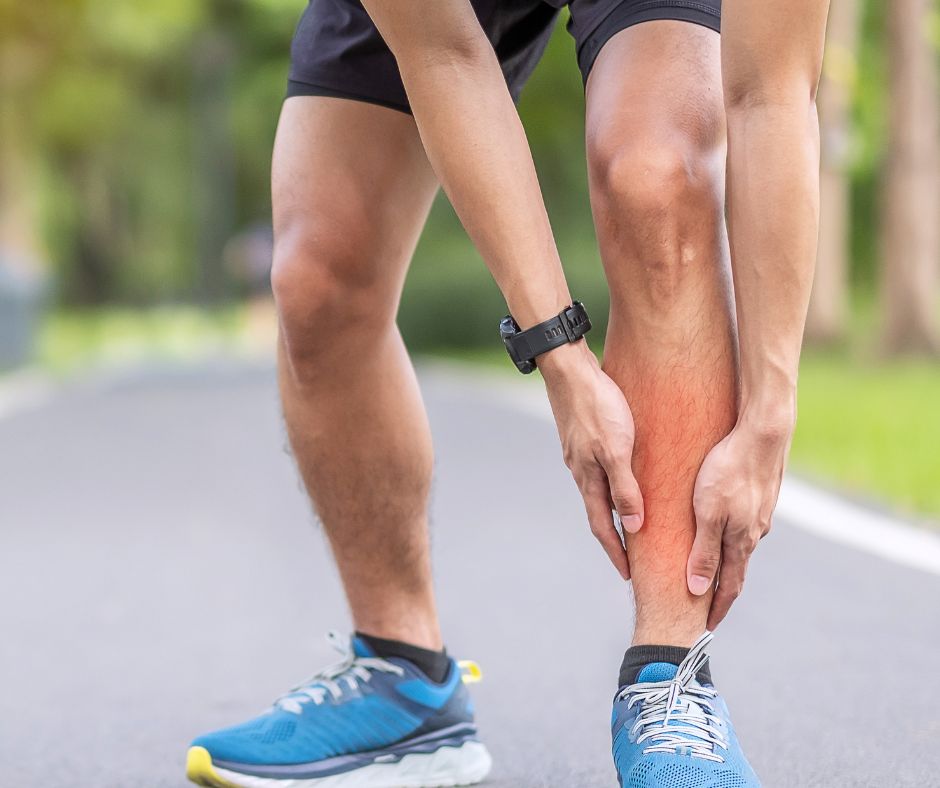
Tips to Prevent Summer Sports Injury
Warm Up and Stretch
Proper warm-up exercises and stretching routines are vital before engaging in physical activity. They help prepare your muscles, tendons, and ligaments for the demands of the sport. Spend 10-15 minutes warming up with light jogging, jumping jacks, or dynamic stretches.
Use Appropriate Protective Gear
Wearing the right protective gear is crucial for preventing sports injuries. Depending on your chosen activity, this might include helmets, pads, mouthguards, goggles, or supportive footwear. Ensure your equipment is in good condition, fits well, and is worn correctly.
Gradual Progression
Avoid pushing yourself too hard or taking on too much too soon. Instead, gradually increase your activities’ intensity, duration, and frequency. This approach allows your body to adapt and reduces the risk of overuse injuries and muscle strains.
Practice Proper Technique
Learning and practicing proper techniques is essential for injury prevention. Whether throwing a ball, swinging a racket, or tackling in a contact sport, using the correct form reduces strain on your body and minimizes the risk of acute injuries.
What to Do if an Injury Occurs?
Despite our best efforts, injuries can still occur. In a sports injury, taking immediate action to minimize damage and promote healing is essential. Here are some general steps to follow:
#1 Stop the Activity
If you sustain a sports injury, taking immediate action to minimize damage and promote recovery is essential.
#2 R.I.C.E Method
RICE stands for Rest, Ice, Compression, and Elevation. Allow the injured area to rest and avoid putting weight or stress on it. Next, apply ice wrapped in a cloth or a cold pack to the injured area for 15-20 minutes every 2-3 hours to reduce swelling and alleviate pain. Use an elastic bandage to compress the injured area, ensuring it is firm but tight. This helps control swelling. Additionally, elevate the injured limb above the level of your heart whenever possible to reduce swelling.
#3 Seek Medical Attention
If the pain persists, worsens, or you’re unsure about the severity of the injury, it is crucial to seek medical attention from a healthcare professional. They can provide a proper diagnosis, recommend appropriate bracing for injury recovery or treatment bracing, and guide you through recovery. Remember, it’s always better to be cautious and seek professional advice when dealing with sports injuries.

 Durable Medical Equipment