Maintaining a healthy spine is important for overall well-being, as it plays a central role in supporting our body’s structure and facilitating various movements. For individuals dealing with spinal conditions, injuries, or even postural issues, the importance of spinal health becomes even more evident. Spinal braces, also known as orthotic devices, serve as valuable tools in the journey toward better spinal health.
Understanding Spinal Braces
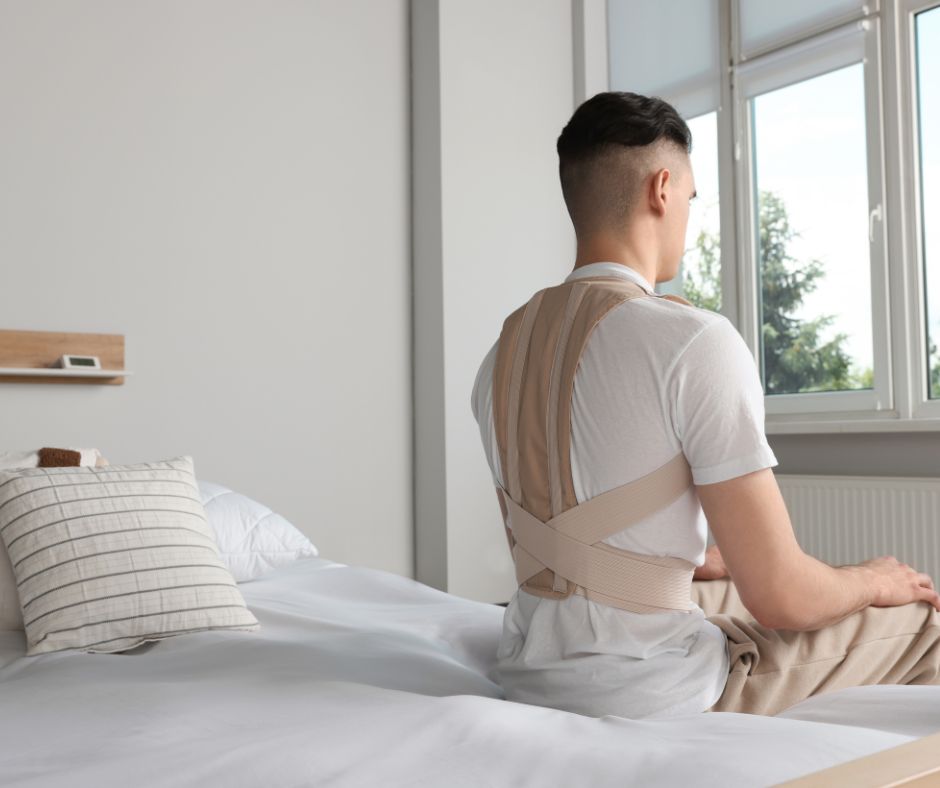
Spinal braces are medical devices designed to support and stabilize the spine. They come in various shapes and sizes, each tailored to address specific spinal issues. Healthcare professionals often recommend these braces to alleviate pain, correct deformities, aid in rehabilitation after spinal surgeries, and improve posture. While the primary function of spinal braces is to provide mechanical support, they offer a range of additional benefits that contribute to overall spinal health.
Posture Correction and Alignment
One of the most well-known functions of spinal braces is their role in correcting poor posture. Modern lifestyles, characterized by prolonged sitting and hunching over screens, can lead to postural imbalances that strain the spine. A spinal brace, especially those designed for postural support, encourages proper alignment by gently guiding the spine into a neutral position. This reduces muscle strain and helps prevent the progression of posture-related problems that could lead to chronic pain and spinal deformities.
Relief from Pain and Discomfort
Individuals suffering from conditions such as scoliosis, kyphosis, or herniated discs often experience pain and discomfort due to the misalignment of the spine. Spinal braces are designed to provide targeted support to the affected areas, effectively redistributing pressure and reducing pain. By stabilizing the spine and limiting excessive movement, braces can offer significant relief to individuals dealing with chronic pain, allowing them to engage in daily activities with greater comfort.
Support During Healing
Following spinal surgeries or injuries, the spine requires time to heal correctly. Spinal braces play a crucial role in post-surgical rehabilitation by providing external support that prevents excessive movement and minimizes the risk of complications. These braces offer a protective barrier that supports the healing process, allowing the injured tissues to mend without undue stress or strain. Moreover, the controlled immobilization provided by spinal braces ensures that the spine heals in the correct anatomical alignment.
Preventing Further Degeneration
Certain spinal conditions can worsen over time without proper intervention. Spinal braces can act as preventive measures, halting the progression of conditions like scoliosis in growing adolescents. By applying gentle pressure and guidance, these braces can guide the spine towards a healthier alignment, reducing the risk of further deformity and the need for more invasive treatments in the future.
Customized Treatment Plans
Every individual’s spinal condition is unique, requiring a tailored approach to treatment. Spinal braces are not one-size-fits-all solutions; they are customized to address specific issues and adapt to the patient’s needs. Orthotists work closely with healthcare providers to design braces that accommodate the patient’s anatomy, diagnosis, and treatment goals. This approach ensures that patients receive the optimal support required for their condition, promoting effective healing and improved spinal health.
Lifestyle Enhancement
While spinal braces are often associated with medical conditions, they can also enhance the daily lives of individuals seeking improved spinal health. Athletes, for example, use specialized braces to prevent spinal injuries during sports activities. Additionally, individuals with physically demanding jobs can benefit from braces that provide support during heavy lifting and repetitive motions, reducing the risk of strain and injury.
Spinal braces are multifaceted tools that extend beyond posture correction. By offering alignment, pain relief, support during healing, and prevention of further degeneration, these devices contribute significantly to maintaining and enhancing spinal health. Whether used as part of a treatment plan for spinal conditions or as a preventive measure, spinal braces provide valuable assistance in promoting a healthier, pain-free spine, enabling individuals to lead active and fulfilling lives. Consulting with a healthcare professional or orthodontist is essential to determine the most suitable spinal brace for individual needs, ensuring optimal spinal health and overall well-being.

 Durable Medical Equipment