Foot & Ankle Brace for Sprain: Enhancing Recovery and Mobility

Ankle sprains are among the most common injuries, particularly for athletes, active individuals, and even those doing their daily routines. A sudden twist, misstep, or awkward landing can lead to a painful and debilitating sprain, often sidelining the sufferer for weeks. Effective treatment and recovery are crucial to prevent further complications and ensure a quick return to normal activities. Among the various treatment options, foot and ankle braces play a significant role in supporting recovery and restoring mobility. Let’s take a deep dive into the benefits of using a foot & ankle brace for sprain and underscores the importance of ankle orthosis in healing.
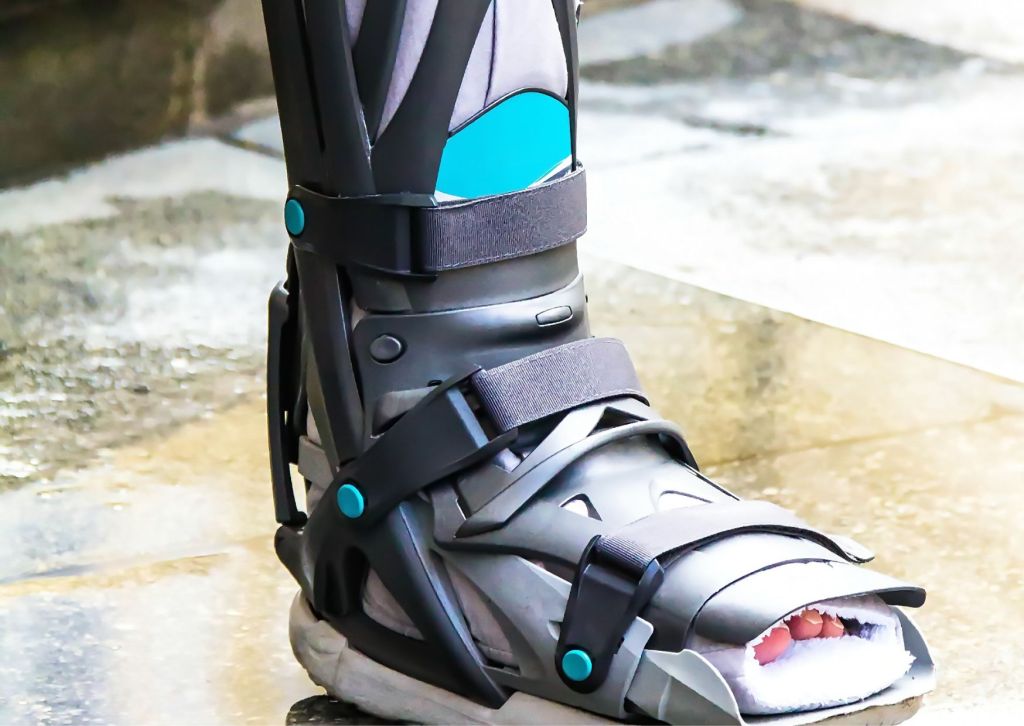
foot & ankle brace

The Role of Foot and Ankle Braces

Foot and ankle braces are designed to provide support, stability, and compression to the injured area, facilitating healing. Here are some key benefits of using foot and ankle braces for sprains:

1. Support and Stability

Ankle braces help stabilize the joint, preventing excessive movement that could exacerbate the injury. By limiting the range of motion, braces reduce the risk of further ligament damage and allow the injured tissues to heal correctly.

2. Pain Relief

Braces apply gentle compression to the affected area, which helps reduce swelling and inflammation. This compression relieves pain by decreasing the strain on the injured ligaments and surrounding tissues.

3. Enhanced Healing

Stability and support provided by braces promote proper alignment and function of the ankle joint. This controlled environment is crucial for the ligaments to heal and regain strength.

4. Preventing Re-Injury

Wearing a brace during recovery and even after regular activities can prevent re-injury. Braces offer additional protection and support, especially during physical activities that stress the ankle.

5. Improved Mobility

By reducing pain and swelling, ankle braces enable individuals to maintain a certain level of mobility. This mobility is essential for preventing muscle atrophy and maintaining circulation, contributing to quicker recovery.

Types of Foot and Ankle Braces

There are several types of foot & ankle brace available, they are designed to address specific needs and levels of injury severity:

1. Compression Sleeves

These are lightweight and provide mild support and compression, suitable for mild sprains and everyday use.

2. Lace-Up Braces

Lace-up braces offer moderate support and can be adjusted for a customized fit. They are ideal for mild sprains and additional stability during physical activities.

3. Hinged Braces

Hinged braces provide strong support and limit specific movements while allowing a natural range of motion. They are suitable for moderate to severe sprains.

4. Rigid Braces

Rigid braces offer maximum support and are used for severe sprains or post-surgical recovery. They immobilize the ankle, allowing for complete rest and healing.

Proper Usage and Care

To maximize the benefits of foot and ankle braces, it is essential to use them correctly and follow care instructions:

Consult a Professional: Consult a physical therapist or a healthcare provider to help you choose the right brace for your injury and needs.

Correct Fit: Ensure the brace fits properly to avoid discomfort and provide support.

Follow Instructions: Adhere to the manufacturer’s guidelines for wearing and caring for the brace.

Regular Monitoring: To maintain its effectiveness, regularly check the brace for signs of wear and tear and replace it as needed.

Ankle sprains can be a significant setback, but with the proper support and treatment, recovery can be swift and effective. Foot and ankle braces are vital in stabilizing the joint, reducing pain, enhancing healing, and preventing re-injury. For those seeking optimal recovery, an ankle orthosis is highly recommended. Ankle orthoses provide tailored support and stability, ensuring that the injured ligaments heal correctly and that you can confidently return to your daily activities. Investing in a quality ankle orthosis can make all the difference in your recovery journey, helping you regain strength and mobility while minimizing the risk of future injuries.
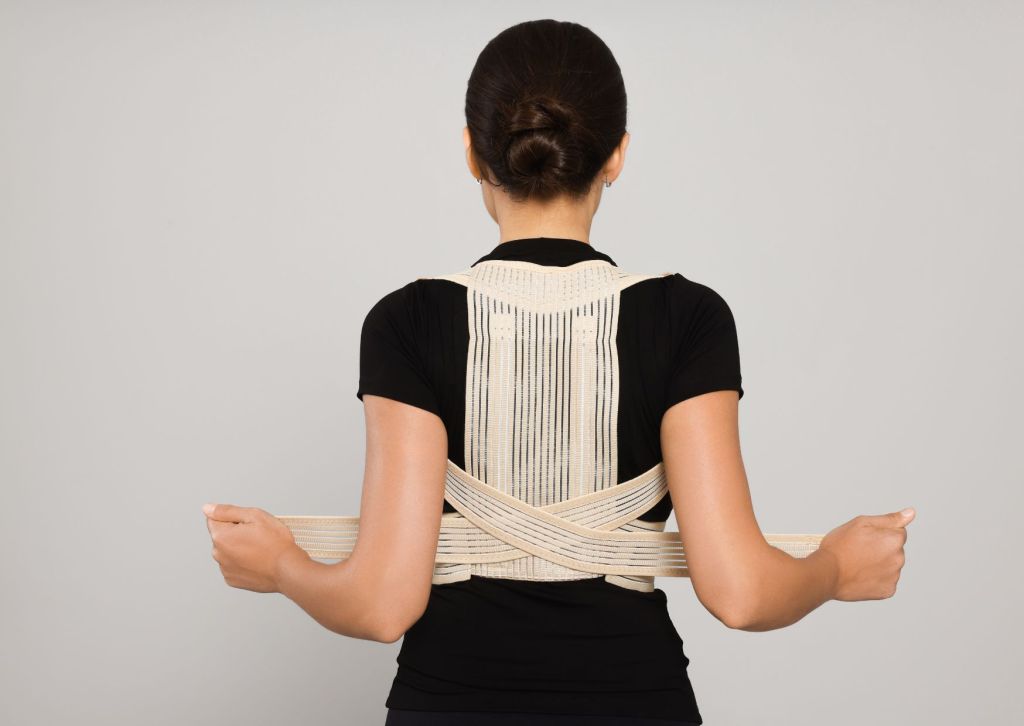
The Role of Knee Braces in Accelerating Recovery After Sports Injuries

Knee injuries, common in sports, can significantly impact an athlete’s performance and lead to long-term complications if not managed properly. In this context, knee braces have emerged as a crucial tool in the recovery process. Let’s take a closer look on knee braces in accelerating recovery after sports injuries, shedding light on their benefits and the scientific principles that underpin their use.

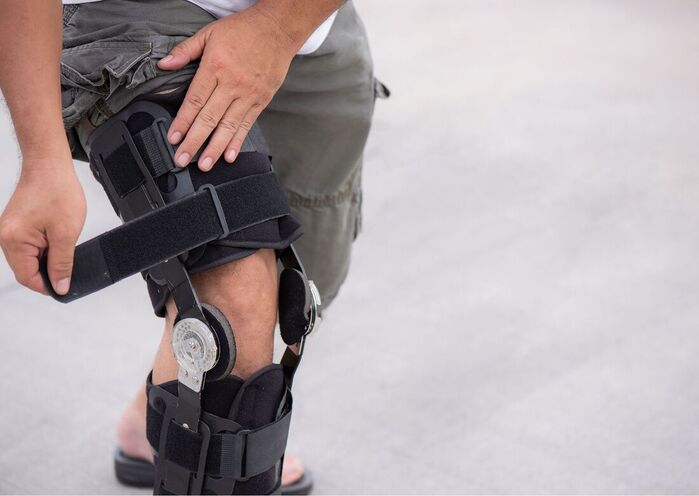
knee bracing

Understanding Knee Braces

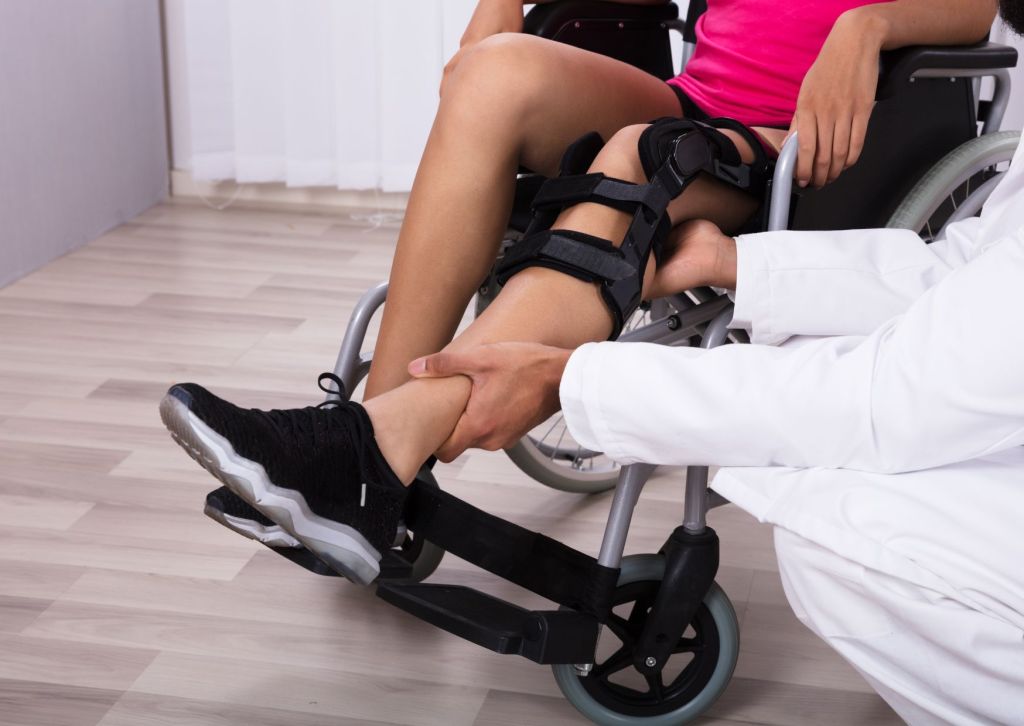
Knee braces are designed to provide stability, support, and protection to the injured knee. They come in various types, each tailored to address specific injuries and recovery stages. The most common types include prophylactic braces (prevent injury), functional braces (provide support to previously injured knees), rehabilitative braces (limit harmful knee movement while a knee is healing), and unloader/offloader braces (give relief to individuals who have arthritis in the knees).

​Benefits of Knee Braces in Sports Injury Recovery

1. Stabilization and Support

One of the primary roles of knee braces is to provide stabilization and support to the injured knee. Following an injury, the knee joint may be unstable due to damaged ligaments, tendons, or muscles. A knee bracing helps to keep the knee appropriately aligned, reducing the risk of further injury. This stabilization is crucial, especially during the early stages of recovery when the knee is most vulnerable.

2. Pain Reduction

Knee braces can also provide relief by reducing pain associated with knee injuries. Braces can alleviate stress on the injured area by providing compression and limiting the range of motion, thus reducing pain. This pain relief allows athletes to engage in physical therapy and other recovery activities more comfortably and effectively, providing reassurance and comfort during their recovery process.

3. Enhanced Mobility

Contrary to the belief that braces restrict movement, they can empower athletes by giving them the confidence to move without fear of reinjury. Functional knee braces, in particular, are designed to support normal knee movement while preventing movements that could exacerbate the injury. This enhanced mobility is crucial for athletes looking to regain their full range of motion, instilling a sense of control and confidence in their recovery journey.

4. Faster Healing

Knee braces can contribute to faster healing by ensuring that the injured area is adequately supported and protected. Rehabilitative braces, for instance, are designed to limit harmful knee movement while still allowing necessary mobility. This controlled movement can promote better blood circulation and faster tissue repair, accelerating recovery.

5. Psychological Benefits

The psychological impact of an injury can be just as debilitating as the physical aspects. Athletes often struggle with fear of reinjury, which can hinder their performance and recovery. Wearing a knee brace can provide security and confidence, enabling athletes to focus on rehabilitation without the constant worry of reinjury.

​The Science Behind Knee Braces

​Various studies and clinical trials support the effectiveness of knee braces. Research has shown that knee braces can significantly reduce the risk of subsequent injuries, particularly in sports that involve a high degree of knee stress, such as football, basketball, and skiing. For example, a study published in the American Journal of Sports Medicine found that functional knee braces significantly reduced the risk of anterior cruciate ligament (ACL) injuries among athletes.

Furthermore, knee braces have improved proprioception—the body’s ability to sense movement and position. Improved proprioception enhances an athlete’s coordination and balance, reducing the risk of reinjury during recovery.

​Choosing the Right Knee Brace

​Choosing the right knee brace is important for maximizing its benefits. Athletes should seek professional guidance from medical experts, such as orthopedic surgeons or physical therapists, to determine the best brace for their injury and recovery needs. Factors to consider include:

  • The type and severity of the injury
  • The athlete’s level of activity
  • The specific requirements of their sport

This professional guidance ensures that athletes feel secure and well-informed about their recovery process.

Knee braces play a vital role in accelerating recovery after sports injuries. Knee braces enable athletes to confidently return to their sports and reduce the risk of reinjury by providing stabilization, reducing pain, enhancing mobility, and promoting faster healing. As with any medical intervention, using knee braces such as a Global Knee Brace under healthcare professionals’ guidance is essential to ensure optimal recovery and long-term knee health. Embracing the benefits of knee braces can make a big difference in an athlete’s journey to full recovery, allowing them to regain their strength, performance, and competitive edge.

How Spinal Bracing Can Aid in Recovery and Rehabilitation

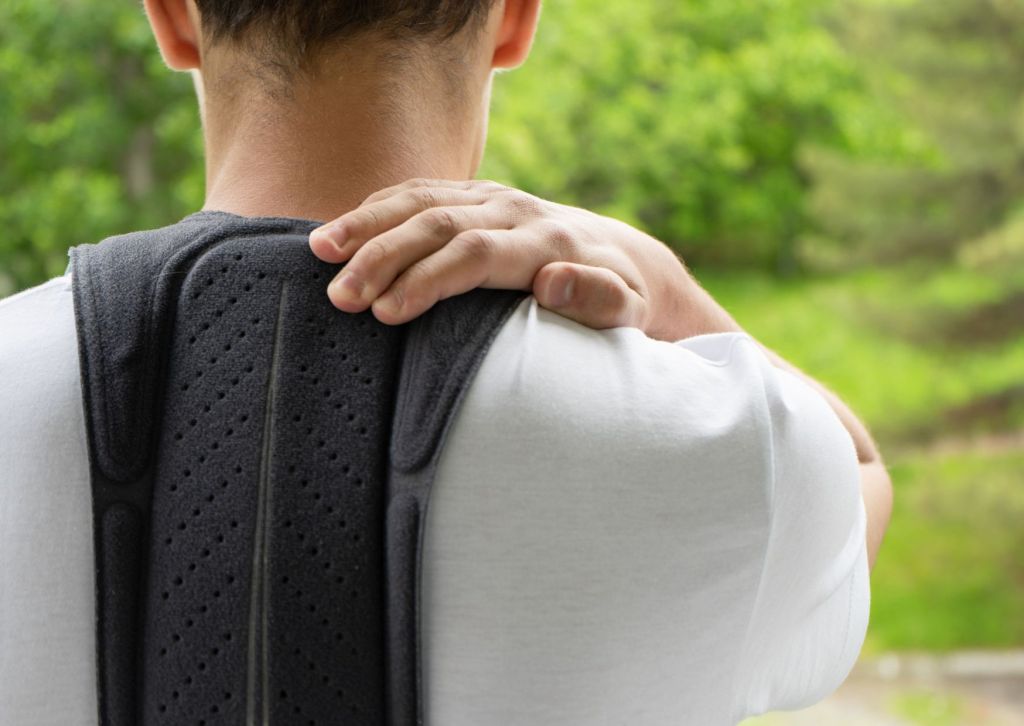
Sports injuries, particularly those affecting the spine, are common among athletes of all levels. Whether it’s a strained muscle, a herniated disc, or a more severe injury like a fracture, these conditions can significantly impact an athlete’s performance and quality of life. Spinal bracing is one approach that has gained popularity in recent years for its ability to aid in the recovery and rehabilitation process following such injuries. In this article, we’ll explore the role of spinal bracing in sports injury recovery and how it can help athletes get back on their feet faster and more robustly.

spinal bracing

Understanding Sports-related Spinal Injuries

Before delving into the benefits of spinal bracing, it’s essential to understand the types of spinal injuries commonly seen in sports. These injuries can range from mild to severe and may include:

Muscle Strains and Sprains: These are among the most common injuries and often result from overuse, improper technique, or sudden movements.

Herniated Discs: A herniated disc happens when the soft inner core of a spinal disc protrudes through the outer shell, causing pain and discomfort.

Fractures: Fractures of the vertebrae or other spinal bones can occur due to falls or high-impact collisions, leading to significant pain and potentially severe complications.

Spinal Cord Injuries: These are the most severe injury and can result in partial or complete paralysis, depending on the location and damage of the injury.

The Role of Spinal Bracing in Recovery

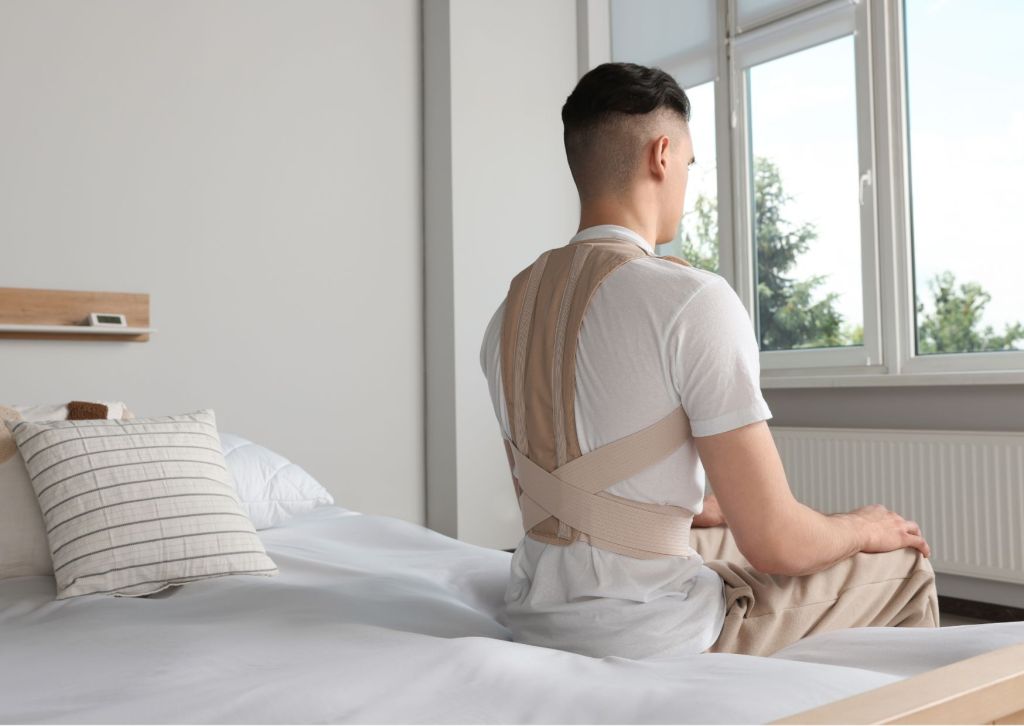
Spinal bracing involves using specialized devices, such as braces or supports, to provide stability and support to the spine during the healing process. These braces are designed to immobilize the injured area, reduce strain on the spine, and promote proper alignment, allowing the body to heal effectively. Here are some ways in which spinal bracing can aid in recovery and rehabilitation:

Immobilization: By restricting movement in the affected area, spinal braces help prevent further injury and promote healing. This immobilization is particularly crucial in the early stages of recovery when the injured tissues are most vulnerable.

Pain Relief: Spinal braces can help alleviate pain and discomfort by reducing pressure on the injured structures and supporting surrounding muscles and ligaments.

Improved Alignment: Proper spinal alignment is essential for optimal healing. Spinal braces help maintain alignment by preventing excessive movement or misalignment of the spine, which can hinder healing.

Enhanced Stability: Following a spinal injury, stability is crucial to prevent re-injury and facilitate rehabilitation exercises. Spinal braces support the injured area, allowing athletes to rehabilitate more safely and effectively.

Gradual Mobilization: As the healing progresses, spinal braces can be adjusted to allow gradual spine mobilization while providing support and protection. This phased approach helps prevent re-injury and allows athletes to return to normal activities more quickly and safely.Spinal bracing plays a vital role in recovering and rehabilitating sports-related spinal injuries.

By providing stability, support, and protection to the injured area, spinal braces such as Peak Scoliosis Bracing help athletes heal more effectively and confidently return to their sport. However, it’s essential to consult with a healthcare professional to determine the appropriate type of brace and treatment plan based on the specific injury and individual needs. With proper care and rehabilitation, athletes can overcome spinal injuries and return to what they love most: competing in their chosen sport.

The Role of Injury Recovery Clinics in Managing DME and Bracing

Injury recovery clinics play a crucial role in helping individuals regain mobility, functionality, and independence after sustaining injuries or undergoing surgical procedures. Among the various services these clinics offer, managing durable medical equipment (DME) and bracing is vital in rehabilitation. DME and bracing are instrumental in providing support, stability, and protection to injured body parts, facilitating optimal healing and recovery.

patient care

DME encompasses various medical equipment to assist individuals in their daily activities and mobility. This includes crutches, walkers, wheelchairs, and orthotic devices like braces and splints. Bracing, specifically, involves using orthopedic braces to support and immobilize injured joints, muscles, or bones, promoting proper alignment and healing.

One of the critical roles of injury recovery clinics is to assess each patient’s unique needs and prescribe the appropriate DME and bracing solutions tailored to their condition. This involves thorough evaluations by skilled healthcare professionals, including physicians, physical therapists, and orthotists, to determine the most effective treatment plan. The goal is to optimize functionality, alleviate pain, prevent further injury, and expedite healing.

Injury recovery clinics collaborate closely with DME suppliers and orthotic manufacturers to ensure that patients receive high-quality and properly fitted equipment. Custom orthotic devices, such as knee braces, ankle supports, and spinal braces, may be fabricated to provide optimal support and comfort while addressing specific biomechanical issues. Proper fitting and adjustment of DME and braces are essential to maximize their effectiveness and minimize discomfort.

For patient care from orthopedic injuries or surgical procedures, bracing is vital in stabilizing injured joints and facilitating rehabilitation exercises. Orthopedic braces provide external support to weakened or damaged structures, allowing patients to regain strength gradually, range of motion, and function. Additionally, braces can help prevent excessive movement or loading of injured tissues, reducing the risk of complications and promoting safe healing.

Injury recovery clinics also offer comprehensive education and training on adequately using and maintaining dynamic AFO, DME, and braces. Patients receive instructions on how to wear, adjust, and care for their equipment to ensure optimal outcomes. Education may include guidance on proper body mechanics, activity modifications, and strategies for managing daily tasks while wearing braces or using assistive devices.

Furthermore, injury recovery clinics closely monitor patients’ progress throughout rehabilitation, adjusting treatment plans and equipment to support their evolving needs. Regular follow-up appointments allow healthcare providers to assess the effectiveness of DME and bracing interventions, address any concerns or issues, and make necessary modifications to optimize patient outcomes.

In conclusion, injury recovery clinics are critical in managing DME and bracing for patients undergoing rehabilitation for orthopedic injuries or surgical procedures. By providing personalized assessments, custom-fitted equipment, comprehensive education, and ongoing support, these clinics help patients regain function, mobility, and independence on their journey to recovery. Effective management of DME and bracing is essential for promoting optimal healing, preventing complications, and facilitating the return to an active and healthy lifestyle.

Navigating Winter Sports Injury Recovery: A Comprehensive Guide

Winter sports enthusiasts often find themselves exhilarated by the rush of adrenaline that activities like skiing, snowboarding, ice skating, and others provide. However, with the thrill comes the inherent risk of injuries. Whether you’re a seasoned athlete or someone who loves the outdoors, understanding the intricacies of winter sports injury recovery is crucial for a safe return to the slopes or rink.

orthopedic recovery care company

Types of Winter Sports Injuries

Winter sports injuries can vary widely, encompassing fractures, sprains, strains, dislocations, etc. Common injuries include A.C.L. tears, wrist fractures, and concussions. Each sport carries its own set of risks, and understanding these risks is the first step in injury prevention and recovery.

Immediate Steps After an Injury

Taking immediate and appropriate action is vital if you’ve sustained an injury during winter sports. Rest, ice, compression, and elevation (R.I.C.E.) are the initial steps recommended for many injuries. However, it’s essential to consult with a healthcare professional to determine the injury’s severity and the best course of action.

Professional Medical Assessment

Seeking professional medical assessment is paramount. A physician experienced in sports medicine can conduct a thorough examination, potentially utilizing imaging studies like X-rays or MRIs to accurately diagnose the injury’s extent. This evaluation sets the foundation for a personalized treatment plan.

Physical Therapy and Rehabilitation

Once a diagnosis is established, a rehabilitation plan tailored to the specific injury is crucial. Physical therapy is often a cornerstone of winter sports injury recovery. Skilled therapists work with patients to rebuild strength, flexibility, and endurance. Rehabilitation programs may include targeted exercises, manual therapy, and ultrasound or electrical stimulation modalities.

Gradual Return to Activity

Recovery is a gradual process. Returning to winter sports without proper healing can exacerbate injuries and lead to long-term complications. Your healthcare professionals will guide you through a phased return to activity, ensuring each step is taken cautiously and considering your body’s readiness.

Psychological Support

The mental aspect of recovery is also essential. Coping with the frustration of being sidelined, fear of reinjury, or performance anxiety requires psychological support. Sports psychologists or counselors can help athletes navigate these challenges, fostering a positive mindset conducive to healing.

Nutrition and Hydration

A holistic approach to winter sports injury recovery includes attention to nutrition and hydration. Adequate protein intake is essential for tissue repair, while proper hydration supports overall healing. Consultation with a nutritionist can ensure that your diet complements your recovery plan.

Preventing Future Injuries

Injury prevention is a crucial component of winter sports participation. This involves using proper gear and equipment and incorporating conditioning and strength exercises into your daily routine. Working with a certified trainer can enhance your physical preparedness for winter sports activities.

Embracing Cross-Training

While recovering from a winter sports injury, consider cross-training to maintain fitness without stressing the injured area. Low-impact activities like cycling or swimming can provide cardiovascular benefits while minimizing strain on recovering joints or muscles.

Long-Term Wellness

Winter sports injury recovery should extend beyond the immediate healing phase. Establishing long-term wellness habits, including regular exercise, proper warm-ups, and continued attention to technique, is integral to preventing future injuries and ensuring a sustained, active lifestyle.

Winter sports injury recovery is a multi-faceted journey that demands patience, diligence, and a comprehensive approach from an orthopedic recovery care company. From prompt and accurate diagnosis to personalized rehabilitation and ongoing wellness practices, athletes can successfully navigate the path to recovery and safely reintegrate into their favorite winter activities.

Exploring the T Scope Knee Brace in Post-Operative Recovery

Orthopedic surgeries, particularly those involving the knee, often demand comprehensive rehabilitation to ensure a patient’s swift and effective recovery. In this journey toward healing, post-operative knee braces play a pivotal role, providing support, stability, and protection. Among these, the T Scope Knee Brace is a leading orthopedic tool designed to facilitate optimal recovery for individuals undergoing knee surgery.

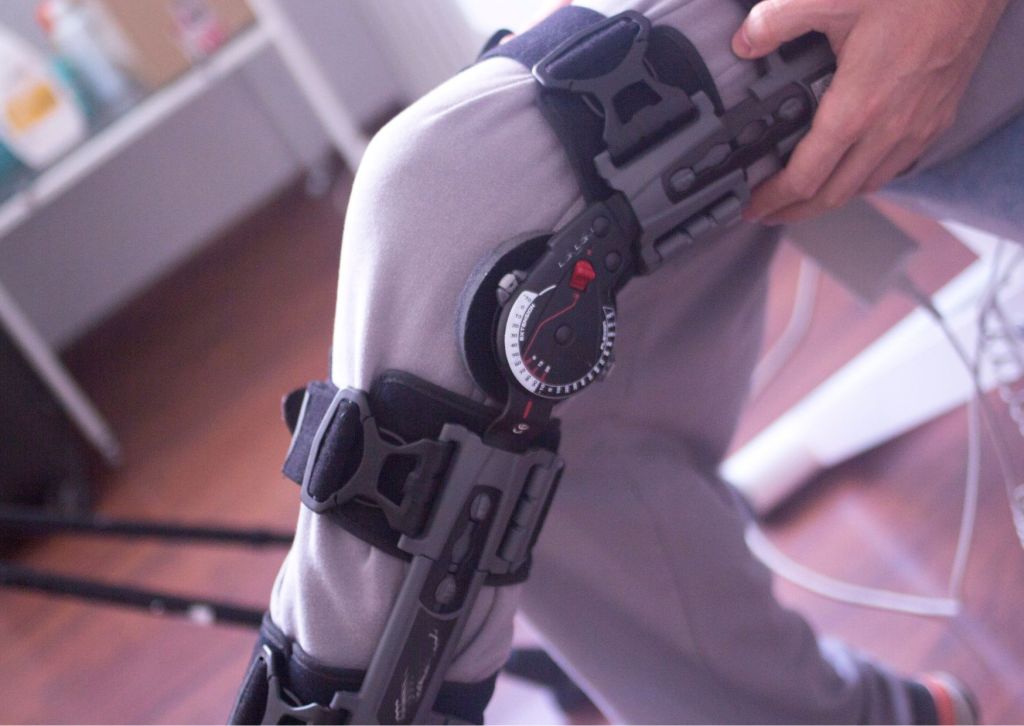
T Scope Knee Brace

Understanding the T Scope Knee Brace

The T Scope Knee Brace is a sophisticated orthopedic device engineered for post-operative knee support. Its design encompasses a range of features tailored to meet the specific needs of patients recovering from knee surgeries, such as ACL reconstruction, meniscus repair, and total knee arthroplasty. Its emphasis on immobilization and controlled, adjustable range-of-motion settings sets the T Scope apart.

Customizable Range of Motion:

One of the standout features of the T Scope Knee Brace is its ability to facilitate controlled movement during the rehabilitation process. Physicians can prescribe specific ranges of motion, allowing gradual and targeted flexion and extension based on the individual’s recovery stage. This customization ensures that the knee joint is protected from undue stress while enabling mobility for rehabilitation exercises.

Post-Operative Stability:

Following knee surgery, stability is paramount to prevent unintended movements that could compromise the surgical outcomes. The T Scope achieves this with its sturdy frame and secure strapping system. The brace acts as a safeguard, limiting excessive motion and providing a sense of security to patients as they navigate the initial phases of post-operative recovery.

Comfort and Compliance:

Patient compliance is an essential factor in the success of post-operative rehabilitation. The T Scope Knee Brace addresses this by incorporating design elements focused on comfort. Padded straps, adjustable hinges, and breathable materials create a positive patient experience. Comfortable braces are more likely to be worn consistently, promoting adherence to the prescribed rehabilitation plan.

Facilitating Early Mobility:

The T Scope’s emphasis on adjustable range-of-motion settings also enables healthcare professionals to initiate early mobilization strategies. Early mobilization is associated with several benefits, including reduced stiffness, prevention of muscle atrophy, and improved circulation. The T Scope supports a more proactive approach to post-operative care by adapting the brace to allow controlled movement.

Rehabilitation Protocols:

Orthopedic surgeons and physical therapists often integrate the T Scope Knee Brace into comprehensive rehabilitation protocols. These protocols typically include controlled exercises, physiotherapy, and orthopedic devices to optimize recovery. The brace is critical in guiding the knee through a structured and progressive rehabilitation process.

The T Scope brace is a reliable companion for patients and healthcare professionals. Its customizable features, emphasis on controlled range of motion, and patient-centric design contribute to its effectiveness in promoting optimal recovery. As orthopedic technology advances, the T Scope is a testament to the commitment to enhancing the post-operative experience for individuals undergoing knee surgeries.

Road to Full Recovery from Drop Foot Syndrome

Drop foot syndrome, also known as foot drop, is a condition characterized by difficulty or inability to lift the front part of the foot. This neurological disorder can result from various underlying causes, such as nerve damage, muscle weakness, or issues with the central nervous system. While drop foot syndrome can be challenging, understanding the recovery process is vital for individuals seeking to regain mobility and functionality.

Drop foot syndrome often presents as a symptom rather than a standalone condition. Nerve injuries, muscle disorders, or neurological conditions like multiple sclerosis and stroke can cause it. The primary challenge for individuals with drop foot is the compromised ability to lift the toes and front part of the foot, leading to an altered gait and increased risk of falls.

drop foot syndrome

Diagnosis and Treatment

Diagnosing a drop foot involves a thorough examination of medical history, physical assessments, and, in some cases, imaging studies. Once analyzed, the focus shifts to addressing the underlying cause. Medical intervention options may include physical therapy, braces or orthotics, nerve stimulation, and, in severe cases, surgical interventions.

Physical Therapy and Rehabilitation

Physical therapy is a cornerstone of drop foot syndrome recovery. Therapists work with patients to improve muscle strength, enhance flexibility, and restore standard gait patterns. Exercises targeting the affected leg and foot and balance and coordination training play a vital role in rehabilitation.

Braces and Orthotics

Braces and orthotic devices are commonly prescribed to individuals with drop foot syndrome. Ankle-foot orthoses (AFOs) support and prevent the foot from dragging during walking. These devices assist in maintaining a more natural gait, reducing the risk of falls, and promoting increased mobility.

Nerve Stimulation and Medications

Nerve stimulation techniques like functional electrical stimulation (FES) involve using electrical currents to activate nerves and muscles. This can help improve muscle control and coordination. Medications may be prescribed for pain management, to reduce muscle spasticity, or to address underlying neurological conditions contributing to drop foot.

Surgical Interventions

In cases where conservative treatments are insufficient, surgical interventions may be considered. Procedures may involve repairing damaged nerves, transferring tendons to improve muscle function, or addressing anatomical abnormalities contributing to drop foot.

Assistive Devices

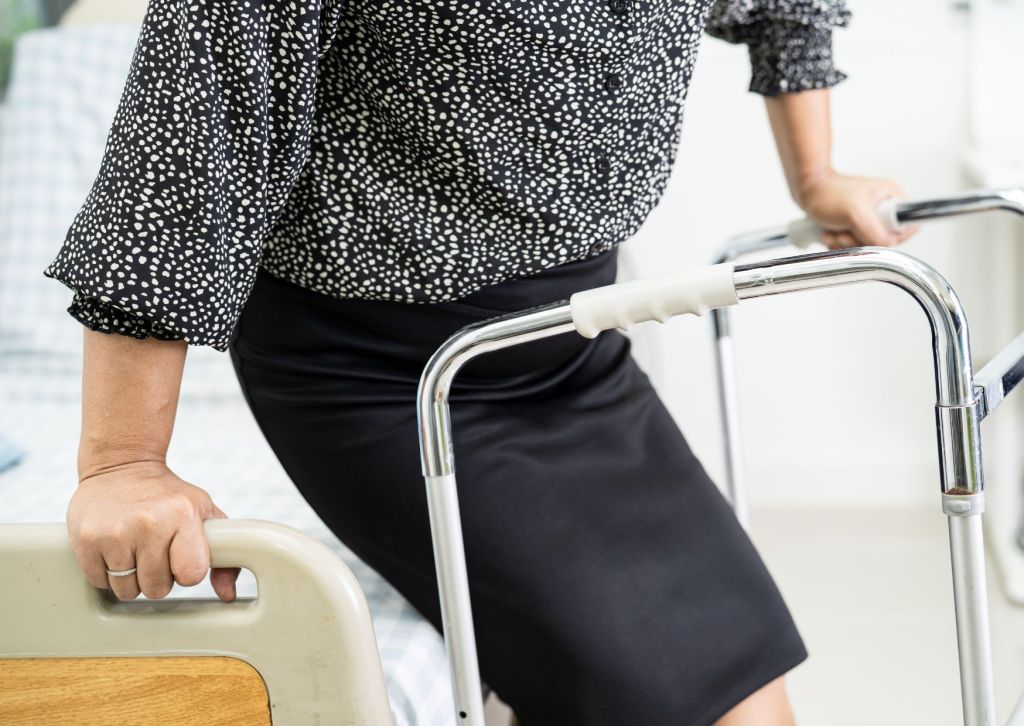
Beyond braces and orthotics, assistive devices like canes or walkers may be recommended to enhance stability and reduce the risk of falls during recovery. These devices provide additional support, allowing individuals to regain confidence to move safely.

Challenges and Coping Strategies

Recovery from drop foot syndrome is a gradual process, and individuals may face physical and emotional challenges along the way. Patience, perseverance, and a positive mindset are crucial. A supportive network, including healthcare professionals, family, and friends, can significantly contribute to a successful recovery journey.

Lifestyle Modifications

Making lifestyle modifications is an integral part of drop foot recovery. Individuals may need to adapt their surroundings to reduce fall risks, wear appropriate footwear, and practice specific exercises or stretches recommended by healthcare providers.

Continued Monitoring and Follow-Up

Post-treatment, regular monitoring, and follow-up with healthcare providers are essential. Adjustments to treatment plans may be made based on progress, and ongoing support can address any emerging challenges.

Recovery from drop foot syndrome is a multi-faceted journey that requires a comprehensive approach. Through physical therapy, assistive devices, medical interventions, and a supportive network, individuals can navigate the challenges posed by drop foot and work towards regaining mobility and quality of life. Seeking early diagnosis and tailored treatment plans from healthcare professionals ensures a more effective and personalized recovery process.

The Role of Spinal Braces in Treating Spinal Injuries

The spine, a crucial human anatomy component, supports the body’s structure and facilitates movement. However, spinal injuries can occur due to various reasons, ranging from accidents to degenerative conditions. Braces emerge as valuable tools in spinal injury treatments, offering support, stability, and healing.

Recovery from a spinal injury

Spinal or orthopedic braces are medical devices that support the spine and surrounding structures. These braces are typically crafted from rigid and flexible materials to balance stability and comfort. The primary functions of spinal braces include:

  • Immobilizing the spine.
  • Reducing strain on injured structures.
  • Promoting proper alignment during the healing process.

The Healing Process

During a spinal injury, rest and immobilization are crucial components of the healing process. Spinal braces restrict movement in the affected area, preventing further trauma and allowing damaged tissues to repair. Additionally, the support provided by these braces alleviates pressure on the spine, reducing pain and discomfort associated with spinal injuries.

Post-Surgical Support

In cases where surgery is required for spinal conditions, spinal braces play a vital role in post-operative care. They provide the necessary support to the spine, ensuring that the surgical site heals optimally. Post-surgical braces are designed to be adjustable, allowing healthcare professionals to customize the level of support based on the individual’s needs.

Enhancing Mobility and Functionality

While spinal braces limit movement during the initial stages of healing, they also contribute to long-term functionality. By providing support and stability, these braces help individuals regain mobility gradually. Physical therapists often incorporate exercises and rehabilitation techniques with spinal braces to enhance the overall recovery process.

Adapting to Daily Life

Recovery from a spinal injury by wearing a spinal brace may require adjustments to daily activities, but modern designs aim to strike a balance between effectiveness and user comfort. Individuals or patients are encouraged to maintain an active lifestyle within the limits defined by their healthcare providers. Proper usage of spinal braces, along with adherence to rehabilitation programs, empowers individuals to resume normal activities over time.

Consulting Healthcare Professionals

The use of spinal braces should be prescribed and monitored by healthcare professionals. Orthopedic specialists, neurosurgeons, or physical therapists assess the severity of the spinal injury and recommend the most suitable type of brace. Regular check-ups ensure that the brace provides optimal support throughout the healing journey.

In spinal injury treatment, spinal braces emerge as integral tools, aiding the healing process and facilitating the return to a functional and active life. Their versatility and advancements in design and materials underscore their significance in the comprehensive care of individuals with spinal injuries. As research continues to refine spinal brace technology, the outlook for those on the path to recovery from spinal injuries becomes increasingly promising.

Relief and Support: Understanding Back Braces for Spinal Stenosis

Spinal stenosis, which can cause discomfort and restricted mobility, often leads individuals to seek practical relief solutions. While treatment options can vary, back braces are frequently recommended, offering support and comfort to those affected by this condition.

miami lumbar back brace

Understanding Spinal Stenosis

The narrowing of the spinal canal generally characterizes spinal stenosis. The condition can lead to pressure on the nerves and the spinal cord. It primarily affects the lower back (lumbar stenosis) or the neck (cervical stenosis). Common symptoms of spinal stenosis include pain, tingling, numbness, and weakness in the affected areas. These symptoms can often be exacerbated by physical activity or prolonged periods of standing or walking.

The Role of Back Braces

Lumbar spinal braces can provide much-needed relief to individuals dealing with spinal stenosis. These braces are designed to support the lower back, helping stabilize the spine and alleviate pressure on the affected nerves. Here are some key benefits of using back braces in the management of spinal stenosis:

Pain Reduction: Back braces can help reduce pain by supporting the spine. They help maintain a neutral spinal alignment, reducing the stress on the nerves and relieving pain and discomfort.

Improved Mobility: While spinal stenosis can limit mobility, back braces can assist in maintaining an upright posture and preventing excessive bending or twisting of the spine. This, in turn, can improve overall mobility.

Support during Activities: Back braces allow individuals to engage in physical activities confidently and more comfortably. Whether walking, standing, or light exercise, these braces can make movement less painful.

Posture Correction: Maintaining proper posture is essential for those with spinal stenosis. Back braces encourage the spine to remain in a neutral position, which aids in improving posture and preventing further damage.

Non-Invasive Treatment: Back braces offer a non-invasive treatment option, making them an enticing choice for individuals looking to avoid surgery or reduce their reliance on pain medication.

Selecting the Right Back Brace

When considering a back brace for spinal stenosis, it’s essential to consult with a healthcare professional who can help you find the most suitable option for your specific condition. Here are the top considerations when selecting a back brace:

Type of Stenosis: The choice of brace may vary based on whether you have lumbar or cervical stenosis. Different braces are designed to address the unique needs of these conditions.

Severity: The severity of your stenosis can influence the level of support you need. Some braces provide more rigid support, while others balance support and flexibility.

Comfort: Your back brace must be comfortable to wear for extended periods. Look for options with padding and adjustable straps to ensure a snug but comfortable fit.

Size and Fit: Back braces come in various sizes, so choosing one that fits your body correctly is crucial. Ill-fitting braces may not provide the intended support.

Consultation: Consult a trusted healthcare provider before obtaining a back brace. They can help you select the right brace, provide fitting guidance, and ensure it aligns with your treatment plan.

Caring for Your Back Brace

Maintenance and caring for your brace are essential to ensure the effectiveness and longevity of your back brace. Follow the manufacturer’s instructions for storing and cleaning the brace. Regularly inspect your brace for signs of wear and tear. If it becomes damaged, make sure to have it replaced.

In conclusion, back braces, such as a Miami lumbar back brace, play a valuable role in the management of spinal stenosis. They offer relief from pain, improve mobility, and support individuals in their daily activities. However, seeking professional guidance when selecting a brace is essential to ensure it aligns with your specific needs and condition. Back braces can significantly enhance the quality of life for those with spinal stenosis when used correctly and in conjunction with a comprehensive treatment plan.

How Lumbar Back Braces Can Provide Relief

Lower back pain is a common and often debilitating issue that affects people of all ages and backgrounds. It can result from various causes, including muscle strains, herniated discs, poor posture, and underlying medical conditions. For those who experience persistent or acute lower back pain, finding effective relief is paramount to maintaining a high quality of life. Lumbar back braces have become a valuable tool against lower back pain, offering support, stability, and relief. 

lumbar back brace

Understanding Lumbar Back Braces

Before delving into their benefits, it’s essential to understand what lumbar back braces are and how they work. Lumbar back braces, also known as lower back braces or belts, are orthopedic devices designed to support the spine’s lumbar (lower) region. They typically consist of a firm but flexible material that wraps around the lower back and fastens securely. The primary function of these braces is to provide compression, stability, and alignment to the lumbar spine.

Relief from Acute and Chronic Pain

One of the primary reasons individuals turn to lumbar back braces is to alleviate pain. Lumbar back braces can provide significant relief, Whether acute pain resulting from a recent injury or chronic pain stemming from ongoing issues like degenerative disc disease or sciatica. By stabilizing the lower back and reducing movement, these braces help minimize strain on injured or irritated tissues, reducing pain levels.

Support and Posture Correction

Poor posture is a common contributor to lower back pain. Many people spend long hours sitting at desks or engaging in activities that promote slouching or improper spinal alignment. A lumbar back brace addresses this issue by encouraging better posture. When worn correctly, they provide a gentle reminder to maintain an upright and neutral spine position, reducing the risk of strain and discomfort associated with poor posture.

Injury Prevention and Recovery

Lumbar back braces offer a preventive measure for those at risk of back injuries due to their occupation or lifestyle. Construction workers, athletes, and individuals engaged in physically demanding jobs or activities can benefit from these braces’ added support and protection. Additionally, individuals recovering from back surgery or injuries find lumbar back braces instrumental in stabilizing the area during the healing process.

Increased Mobility and Function

While a Miami lumbar back brace restricts excessive movement that can exacerbate pain, they do not immobilize the wearer completely. Instead, they strike a balance between support and mobility. This means individuals can continue their daily activities, perform light exercises, and rehabilitate while wearing the brace. This active approach promotes better circulation, muscle strength, and overall function.

Lower back pain can be physically and emotionally draining, affecting every aspect of daily life. Lumbar back braces offer a bridge to relief, providing the support and stability needed to manage pain, correct posture, prevent injuries, and regain mobility. However, it’s essential to consult with a healthcare provider or orthopedic specialist before using a lumbar back brace to ensure it’s the right solution for your condition; when part of a comprehensive approach to back health, lumbar back braces can help improve the quality of life for those with lower back pain.