The spine, a crucial human anatomy component, supports the body’s structure and facilitates movement. However, spinal injuries can occur due to various reasons, ranging from accidents to degenerative conditions. Braces emerge as valuable tools in spinal injury treatments, offering support, stability, and healing.
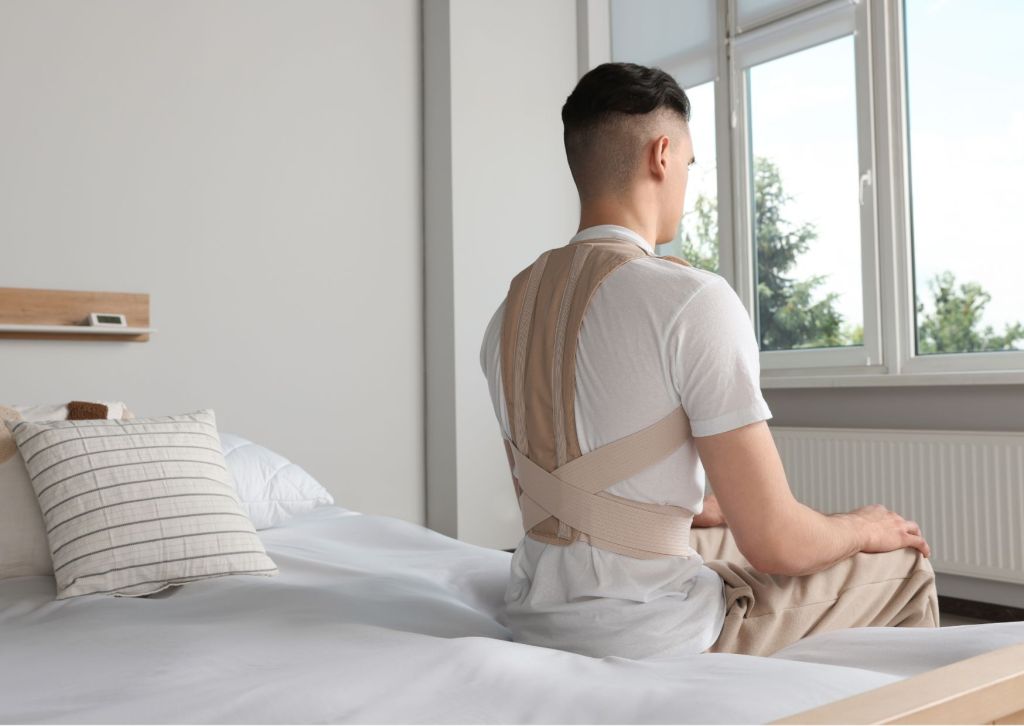
Spinal or orthopedic braces are medical devices that support the spine and surrounding structures. These braces are typically crafted from rigid and flexible materials to balance stability and comfort. The primary functions of spinal braces include:
- Immobilizing the spine.
- Reducing strain on injured structures.
- Promoting proper alignment during the healing process.
The Healing Process
During a spinal injury, rest and immobilization are crucial components of the healing process. Spinal braces restrict movement in the affected area, preventing further trauma and allowing damaged tissues to repair. Additionally, the support provided by these braces alleviates pressure on the spine, reducing pain and discomfort associated with spinal injuries.
Post-Surgical Support
In cases where surgery is required for spinal conditions, spinal braces play a vital role in post-operative care. They provide the necessary support to the spine, ensuring that the surgical site heals optimally. Post-surgical braces are designed to be adjustable, allowing healthcare professionals to customize the level of support based on the individual’s needs.
Enhancing Mobility and Functionality
While spinal braces limit movement during the initial stages of healing, they also contribute to long-term functionality. By providing support and stability, these braces help individuals regain mobility gradually. Physical therapists often incorporate exercises and rehabilitation techniques with spinal braces to enhance the overall recovery process.
Adapting to Daily Life
Recovery from a spinal injury by wearing a spinal brace may require adjustments to daily activities, but modern designs aim to strike a balance between effectiveness and user comfort. Individuals or patients are encouraged to maintain an active lifestyle within the limits defined by their healthcare providers. Proper usage of spinal braces, along with adherence to rehabilitation programs, empowers individuals to resume normal activities over time.
Consulting Healthcare Professionals
The use of spinal braces should be prescribed and monitored by healthcare professionals. Orthopedic specialists, neurosurgeons, or physical therapists assess the severity of the spinal injury and recommend the most suitable type of brace. Regular check-ups ensure that the brace provides optimal support throughout the healing journey.
In spinal injury treatment, spinal braces emerge as integral tools, aiding the healing process and facilitating the return to a functional and active life. Their versatility and advancements in design and materials underscore their significance in the comprehensive care of individuals with spinal injuries. As research continues to refine spinal brace technology, the outlook for those on the path to recovery from spinal injuries becomes increasingly promising.

 Durable Medical Equipment