Sports injuries, particularly those affecting the spine, are common among athletes of all levels. Whether it’s a strained muscle, a herniated disc, or a more severe injury like a fracture, these conditions can significantly impact an athlete’s performance and quality of life. Spinal bracing is one approach that has gained popularity in recent years for its ability to aid in the recovery and rehabilitation process following such injuries. In this article, we’ll explore the role of spinal bracing in sports injury recovery and how it can help athletes get back on their feet faster and more robustly.
Understanding Sports-related Spinal Injuries
Before delving into the benefits of spinal bracing, it’s essential to understand the types of spinal injuries commonly seen in sports. These injuries can range from mild to severe and may include:
Muscle Strains and Sprains: These are among the most common injuries and often result from overuse, improper technique, or sudden movements.
Herniated Discs: A herniated disc happens when the soft inner core of a spinal disc protrudes through the outer shell, causing pain and discomfort.
Fractures: Fractures of the vertebrae or other spinal bones can occur due to falls or high-impact collisions, leading to significant pain and potentially severe complications.
Spinal Cord Injuries: These are the most severe injury and can result in partial or complete paralysis, depending on the location and damage of the injury.
The Role of Spinal Bracing in Recovery
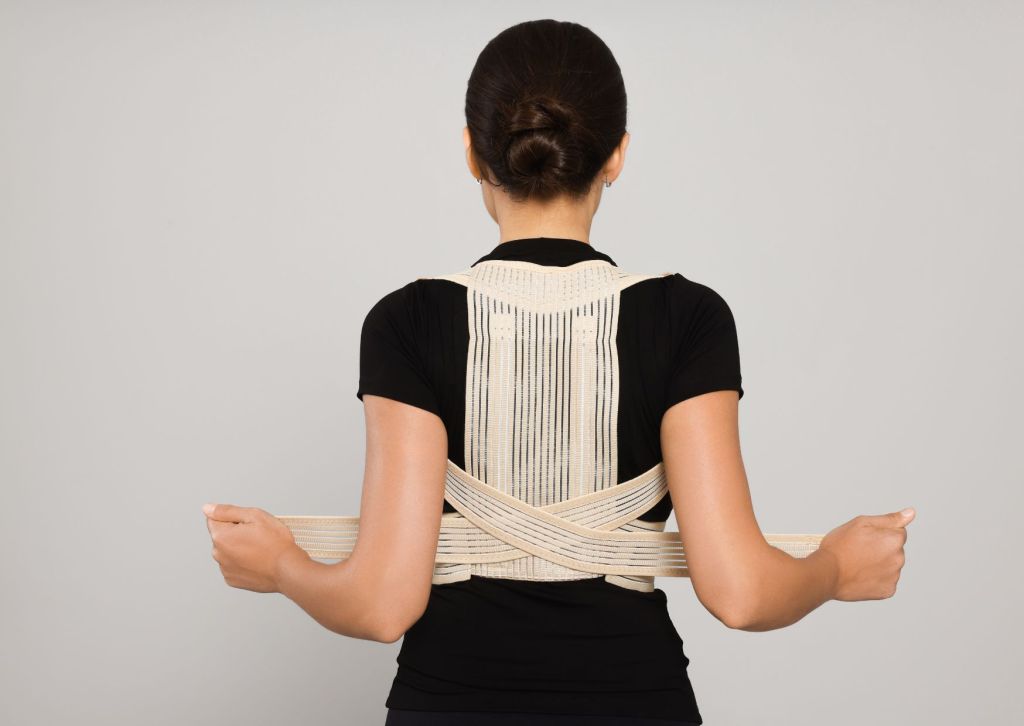
Spinal bracing involves using specialized devices, such as braces or supports, to provide stability and support to the spine during the healing process. These braces are designed to immobilize the injured area, reduce strain on the spine, and promote proper alignment, allowing the body to heal effectively. Here are some ways in which spinal bracing can aid in recovery and rehabilitation:
Immobilization: By restricting movement in the affected area, spinal braces help prevent further injury and promote healing. This immobilization is particularly crucial in the early stages of recovery when the injured tissues are most vulnerable.
Pain Relief: Spinal braces can help alleviate pain and discomfort by reducing pressure on the injured structures and supporting surrounding muscles and ligaments.
Improved Alignment: Proper spinal alignment is essential for optimal healing. Spinal braces help maintain alignment by preventing excessive movement or misalignment of the spine, which can hinder healing.
Enhanced Stability: Following a spinal injury, stability is crucial to prevent re-injury and facilitate rehabilitation exercises. Spinal braces support the injured area, allowing athletes to rehabilitate more safely and effectively.
Gradual Mobilization: As the healing progresses, spinal braces can be adjusted to allow gradual spine mobilization while providing support and protection. This phased approach helps prevent re-injury and allows athletes to return to normal activities more quickly and safely.Spinal bracing plays a vital role in recovering and rehabilitating sports-related spinal injuries.
By providing stability, support, and protection to the injured area, spinal braces such as Peak Scoliosis Bracing help athletes heal more effectively and confidently return to their sport. However, it’s essential to consult with a healthcare professional to determine the appropriate type of brace and treatment plan based on the specific injury and individual needs. With proper care and rehabilitation, athletes can overcome spinal injuries and return to what they love most: competing in their chosen sport.

 Durable Medical Equipment