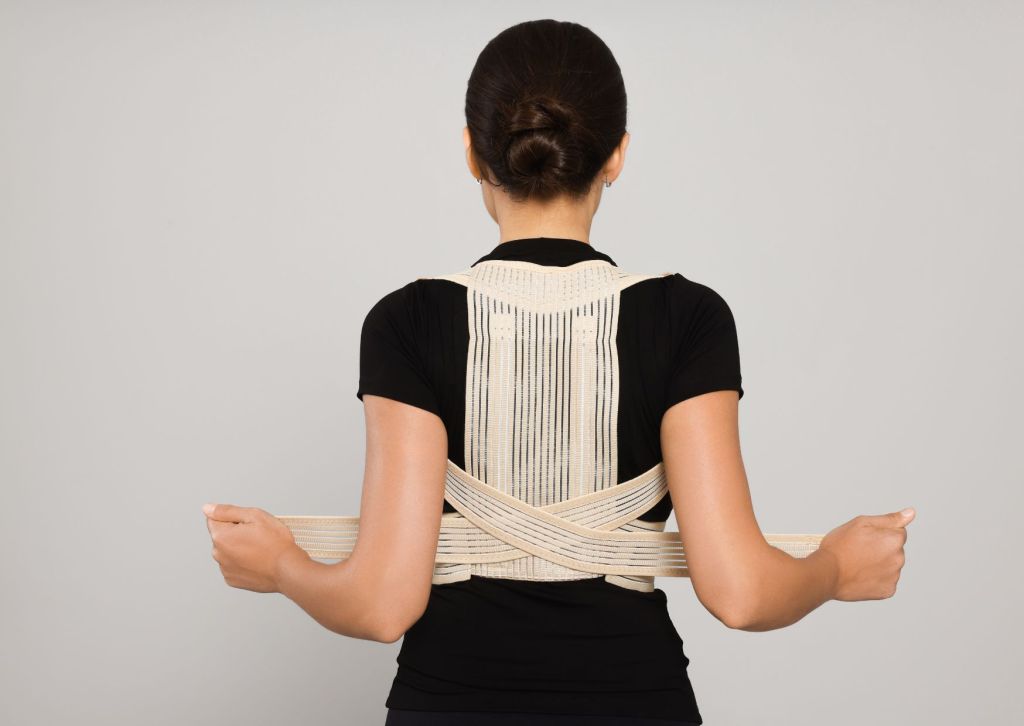
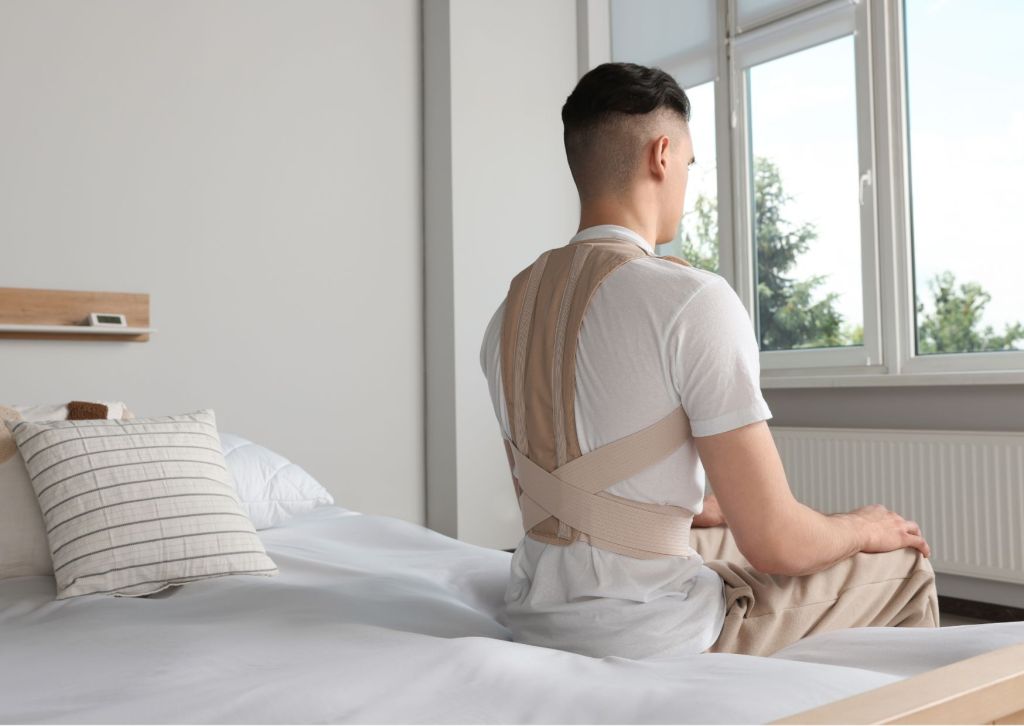
How a Back Brace Can Help Relieve Back Pain and Support Recovery

Back pain is a condition we see often in our clinic. It can affect anyone, whether you are a working professional, an athlete, or a senior dealing with age-related changes. Sometimes, back pain goes away with rest and therapy. Other times, it sticks around, making daily life harder.

We often suggest a back brace as part of a complete treatment plan. When chosen and fitted correctly, a brace can provide real support, reduce strain, and help relieve pain. Sometimes, a more structured brace, like a TLSO, may be needed.

As your local orthopedic clinic, we aim to do more than ease your symptoms. We work to improve your stability, support your healing, and help you get back to your usual activities safely.

TLSO brace

Understanding the Source of Back Pain

There are many reasons someone might have back pain. It could be from a muscle strain, a ligament sprain, a herniated disc, a spinal fracture, degenerative disc disease, or even recovery after surgery. Each situation needs its own approach.

Pain often develops when the spine is not adequately supported. Poor posture, repetitive movements, lifting injuries, or underlying structural changes can strain muscles and spinal structures. When the spine is unstable or inflamed, even routine activities can become uncomfortable.

The right brace can limit too much movement, help keep your spine in line, and take pressure off injured areas.

How a Back Brace Relieves Pain

A back brace supports your spine and the muscles around it from the outside. This support can help limit movement in sore or unstable spots. By limiting certain movements, the brace gives the injured area time to rest and heal.

Another benefit is better posture. Many people with back pain don’t realize they are sitting or standing in ways that make things worse. A brace helps you maintain a healthier spine alignment, reducing stress on your muscles and discs.

Braces also help spread out pressure on your back. When parts of your spine are overloaded, you may experience increased inflammation and pain. A brace can shift some of that weight, easing stress in certain spots and often bringing real relief.

If you are recovering from a fracture or surgery, you might need a stiffer brace.

What Is a TLSO Back Brace?

TLSO stands for thoracolumbosacral orthosis. This brace supports the middle, lower, and base of your spine. It gives more stability than softer braces.

Doctors often use a TLSO brace for things like spinal fractures, recovery after surgery, serious scoliosis, or other problems that need the spine to stay still while healing.

A TLSO brace differs from softer supports because it prevents bending forward, leaning back, or twisting. This protects your spine while it heals. Each brace is custom-fitted to ensure it lines up correctly and feels comfortable.

At our clinic, we carefully evaluate each patient before suggesting this type of brace. It is not for mild pain, but for certain medical problems that need extra support.

When a Back Brace Is Appropriate

Back braces are not the same for everyone. They work best when part of a larger plan that may also include physical therapy, medication, and changes to your activities.

Patients with acute muscle strain may benefit from short-term bracing to reduce movement while inflammation decreases. Individuals with chronic instability may use a brace during activities that strain the spine.

If you are recovering from spinal surgery or a fracture, your doctor may prescribe a TLSO back brace to help you heal and protect the area that was repaired.

Getting the right diagnosis is important. Using a brace without knowing what is causing your pain can slow down your recovery or make you rely on the brace too much.

The Importance of Proper Fit

A good fit is very important for a brace. If a brace does not fit well, it can be uncomfortable, irritate your skin, or not give enough support.

At the clinic, we measure and adjust each brace to fit your body. For structured braces like a TLSO, ensuring it is in the correct position is key to providing you with the support you need.

We also teach you how to put on and take off your brace safely. Clear instructions help make sure the brace works as it should and does not cause extra strain.

Bracing as Part of Active Recovery

Some people think a brace can replace strengthening exercises, but that is not true. A brace is usually a short-term support that helps you take part in rehab more comfortably.

As pain decreases and stability improves, strengthening the core and back muscles becomes essential. Physical therapy plays a significant role in long-term recovery. The brace provides support during the early phases of healing.

We believe in taking things step by step. Our goal is to help you use the brace less as your strength and movement improve.

Back pain can significantly disrupt daily life, but effective treatment options are available. A properly fitted brace can help relieve discomfort, improve posture, and support healing when used correctly.

In some cases, a structured brace, such as a TLSO, can provide the stability you need to recover safely. But it is important that bracing is based on a doctor’s advice and matched to your specific needs.
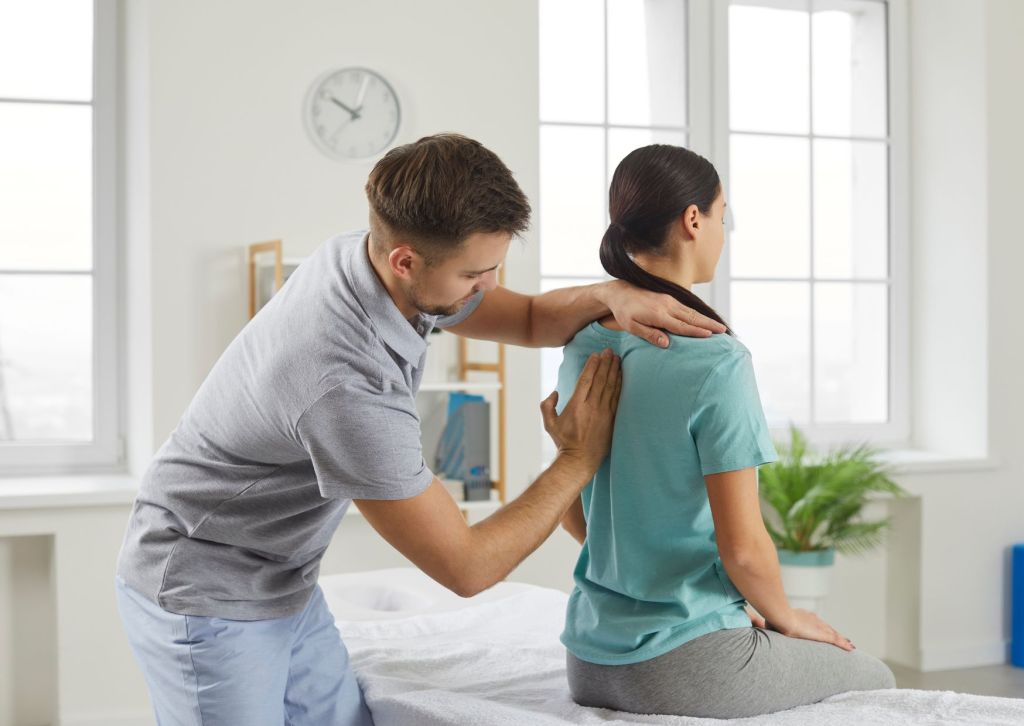
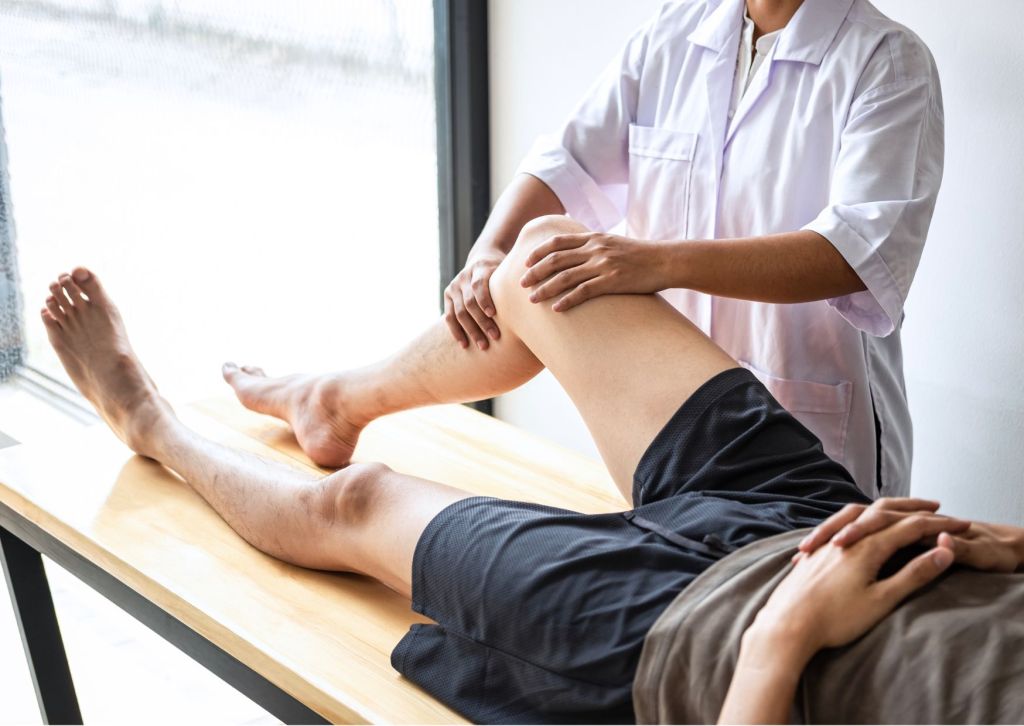
How the Peak Scoliosis Bracing System Improves Quality of Life for Adults with Scoliosis

Living with scoliosis as an adult can pose unique challenges. The condition can affect physical and emotional well-being, from chronic back pain to difficulty performing everyday tasks. However, advancements in medical technology now offer practical solutions to help manage the symptoms of adult scoliosis. One such innovation is the Peak Scoliosis Bracing System—a noninvasive, dynamic brace designed to enhance comfort and restore mobility for those living with this condition.

For adults suffering from scoliosis, this bracing system can significantly improve posture, reduce pain, and enable better performance of activities of daily living. Let’s explore how the Peak Scoliosis Bracing System works and why it’s a game-changer for managing adult scoliosis.

Peak Scoliosis

What Is the Peak Scoliosis Bracing System?

The Peak Scoliosis Bracing System is an advanced, lightweight brace that supports the spine and alleviates the physical stress caused by scoliosis. Unlike traditional rigid braces, it is dynamic and adjustable, designed to move with the patient rather than restrict them. This design prioritizes comfort and functionality, making it an ideal choice for adults managing the long-term effects of scoliosis.

Key Benefits of the Peak Scoliosis Bracing System

Pain Relief

Chronic back pain is one of the most common symptoms of adult scoliosis. The Peak Scoliosis Bracing System redistributes pressure along the spine, reducing muscle strain and spinal stress. Many patients report noticeable pain relief, allowing them to engage in daily activities more efficiently.

Improved Posture

Scoliosis often causes visible curvature of the spine, which can impact posture and balance. The brace gently realigns the spine to a more neutral position, improving posture and reducing the risk of further complications.

Enhanced Mobility

Unlike rigid braces, the Peak Scoliosis Bracing System is designed to move with the patient. This flexibility allows individuals to perform activities such as walking, cooking, or even light exercise without feeling restricted.

Boosted Confidence

The visible effects of scoliosis can sometimes lead to self-consciousness or reduced confidence. By helping to correct posture and reduce the appearance of spinal curvature, the brace empowers patients to feel more comfortable in their bodies.

Noninvasive Solution

For adults with scoliosis who wish to avoid surgical options, the Peak Scoliosis Bracing System offers a noninvasive way to manage symptoms and improve quality of life.

How It Improves Activities of Daily Living

Tasks like bending, lifting, or even standing for extended periods can be exhausting for individuals with scoliosis. The Peak Scoliosis Bracing System supports the spine, making these activities less taxing. Patients often find that they can:

  • Stand or sit for more extended periods without discomfort.
  • Walk or climb stairs with improved stability.
  • Perform household chores like cleaning, cooking, or gardening with greater ease.
  • Engage in hobbies or light physical activities without exacerbating pain.

The brace helps patients regain independence and enjoy a more active lifestyle by improving mobility and comfort.

Real-Life Example: Maria’s Story

Maria, a 52-year-old office worker, had been living with scoliosis since her teens. As she aged, her condition worsened, making it difficult for her to sit at her desk for long hours or participate in her favorite activities, like yoga and gardening. After consulting her doctor, Maria was fitted with the Peak Scoliosis Bracing System.

Within weeks, she noticed significant pain relief and found it easier to maintain good posture while working. Over time, she regained the confidence to return to yoga, using modified poses to stay active. Today, Maria credits the brace with helping her reclaim her quality of life.

Why Consider the Peak Scoliosis Bracing System?

Finding the proper treatment can feel overwhelming for adults with scoliosis. The Peak Scoliosis Bracing System offers a practical, effective solution tailored to the unique needs of adults managing this condition. Whether you’re struggling with pain or reduced mobility or want to improve your posture, this brace can help you live a fuller, more active life.

If you’re living with scoliosis, speak with your healthcare provider about the Peak Scoliosis Bracing System. With proper support, you can regain control of your condition and enjoy the activities you love.

Understanding the Role of Physical Therapy in Orthopedic Recovery

Physical therapy is a cornerstone of orthopedic recovery, providing patients a structured path toward healing and reclaiming their quality of life. Whether recovering from surgery, an injury, or managing chronic orthopedic conditions, physical therapy offers a tailored approach to help individuals regain strength, mobility, and overall functionality.

orthopedic recovery care company

The Foundation of Physical Therapy in Orthopedic Care

Orthopedic conditions often affect the musculoskeletal system—including bones, joints, muscles, tendons, and ligaments—making movement and everyday activities challenging. Physical therapy addresses these challenges through a combination of evidence-based practices and personalized care plans designed to:

Reduce Pain: Therapists use techniques like manual therapy, targeted exercises, and modalities such as heat, ice, and electrical stimulation to alleviate inflammation and pain.

Restore Mobility: Joint stiffness and muscle tightness are standard after orthopedic injuries or surgeries. Physical therapists implement stretching and mobility exercises to restore the range of motion, making daily activities easier.

Rebuild Strength: Injury or surgery can lead to muscle atrophy and weakness. A tailored strengthening program helps rebuild muscle power and support around affected areas, reducing re-injury risk.

Improve Balance and Coordination: Many orthopedic issues impact balance and stability. Therapists incorporate specific exercises to enhance coordination and reduce the likelihood of falls.

Prevent Future Injuries: By addressing underlying imbalances and teaching proper movement techniques, physical therapy not only aids recovery but also equips patients with the tools to prevent future problems.

A Collaborative and Personalized Approach

One of the most unique aspects of physical therapy is its highly individualized nature. Each patient’s recovery journey is different, influenced by factors such as the type and severity of the orthopedic issue, age, activity level, and personal goals. Physical therapists collaborate closely with patients to create realistic, achievable plans that adapt as progress is made.

For example, someone recovering from a total knee replacement might start with gentle range-of-motion exercises and progress to weight-bearing activities and strength training. Conversely, a rotator cuff injury patient may focus on restoring shoulder stability and strength through targeted resistance exercises.

The Emotional Impact of Physical Therapy

Orthopedic recovery is not only a physical challenge but often an emotional one. The inability to perform daily activities or participate in beloved tasks can take a toll on mental health. Physical therapy addresses this by:

Building Confidence: As patients see tangible improvements in their strength and mobility, they regain confidence in their body’s healing ability.

Providing Support: Physical therapists act as coaches and cheerleaders, offering encouragement and celebrating milestones.

Fostering Independence: The ultimate goal of physical therapy is to empower patients to take charge of their recovery and return to a fulfilling, active lifestyle.

Success Stories: The Transformative Power of Physical Therapy

Consider the story of a marathon runner who suffered a stress fracture. With the help of physical therapy under the care of an orthopedic recovery care company, they transitioned from crutches to strength-building exercises, eventually returning to the sport they love. Or think of an elderly individual recovering from a hip replacement who, after months of therapy, can once again enjoy walking in the park with their grandchildren.

These stories underscore physical therapy’s transformative impact on physical and emotional well-being.

Physical therapy is more than just a recovery tool; it is a lifeline for individuals navigating the challenges of orthopedic injuries or surgeries. By addressing pain, restoring function, using a bracing support such as the Unloader One® Lite knee brace, and empowering patients, physical therapy lays the groundwork for a healthier, more active future. If you or someone you know is on the path to orthopedic recovery, embracing physical therapy could be the key to unlocking their full potential.

How Spinal Bracing Can Aid in Recovery and Rehabilitation

Sports injuries, particularly those affecting the spine, are common among athletes of all levels. Whether it’s a strained muscle, a herniated disc, or a more severe injury like a fracture, these conditions can significantly impact an athlete’s performance and quality of life. Spinal bracing is one approach that has gained popularity in recent years for its ability to aid in the recovery and rehabilitation process following such injuries. In this article, we’ll explore the role of spinal bracing in sports injury recovery and how it can help athletes get back on their feet faster and more robustly.

spinal bracing

Understanding Sports-related Spinal Injuries

Before delving into the benefits of spinal bracing, it’s essential to understand the types of spinal injuries commonly seen in sports. These injuries can range from mild to severe and may include:

Muscle Strains and Sprains: These are among the most common injuries and often result from overuse, improper technique, or sudden movements.

Herniated Discs: A herniated disc happens when the soft inner core of a spinal disc protrudes through the outer shell, causing pain and discomfort.

Fractures: Fractures of the vertebrae or other spinal bones can occur due to falls or high-impact collisions, leading to significant pain and potentially severe complications.

Spinal Cord Injuries: These are the most severe injury and can result in partial or complete paralysis, depending on the location and damage of the injury.

The Role of Spinal Bracing in Recovery

Spinal bracing involves using specialized devices, such as braces or supports, to provide stability and support to the spine during the healing process. These braces are designed to immobilize the injured area, reduce strain on the spine, and promote proper alignment, allowing the body to heal effectively. Here are some ways in which spinal bracing can aid in recovery and rehabilitation:

Immobilization: By restricting movement in the affected area, spinal braces help prevent further injury and promote healing. This immobilization is particularly crucial in the early stages of recovery when the injured tissues are most vulnerable.

Pain Relief: Spinal braces can help alleviate pain and discomfort by reducing pressure on the injured structures and supporting surrounding muscles and ligaments.

Improved Alignment: Proper spinal alignment is essential for optimal healing. Spinal braces help maintain alignment by preventing excessive movement or misalignment of the spine, which can hinder healing.

Enhanced Stability: Following a spinal injury, stability is crucial to prevent re-injury and facilitate rehabilitation exercises. Spinal braces support the injured area, allowing athletes to rehabilitate more safely and effectively.

Gradual Mobilization: As the healing progresses, spinal braces can be adjusted to allow gradual spine mobilization while providing support and protection. This phased approach helps prevent re-injury and allows athletes to return to normal activities more quickly and safely.Spinal bracing plays a vital role in recovering and rehabilitating sports-related spinal injuries.

By providing stability, support, and protection to the injured area, spinal braces such as Peak Scoliosis Bracing help athletes heal more effectively and confidently return to their sport. However, it’s essential to consult with a healthcare professional to determine the appropriate type of brace and treatment plan based on the specific injury and individual needs. With proper care and rehabilitation, athletes can overcome spinal injuries and return to what they love most: competing in their chosen sport.

The Role of Spinal Braces in Treating Spinal Injuries

The spine, a crucial human anatomy component, supports the body’s structure and facilitates movement. However, spinal injuries can occur due to various reasons, ranging from accidents to degenerative conditions. Braces emerge as valuable tools in spinal injury treatments, offering support, stability, and healing.

Recovery from a spinal injury

Spinal or orthopedic braces are medical devices that support the spine and surrounding structures. These braces are typically crafted from rigid and flexible materials to balance stability and comfort. The primary functions of spinal braces include:

  • Immobilizing the spine.
  • Reducing strain on injured structures.
  • Promoting proper alignment during the healing process.

The Healing Process

During a spinal injury, rest and immobilization are crucial components of the healing process. Spinal braces restrict movement in the affected area, preventing further trauma and allowing damaged tissues to repair. Additionally, the support provided by these braces alleviates pressure on the spine, reducing pain and discomfort associated with spinal injuries.

Post-Surgical Support

In cases where surgery is required for spinal conditions, spinal braces play a vital role in post-operative care. They provide the necessary support to the spine, ensuring that the surgical site heals optimally. Post-surgical braces are designed to be adjustable, allowing healthcare professionals to customize the level of support based on the individual’s needs.

Enhancing Mobility and Functionality

While spinal braces limit movement during the initial stages of healing, they also contribute to long-term functionality. By providing support and stability, these braces help individuals regain mobility gradually. Physical therapists often incorporate exercises and rehabilitation techniques with spinal braces to enhance the overall recovery process.

Adapting to Daily Life

Recovery from a spinal injury by wearing a spinal brace may require adjustments to daily activities, but modern designs aim to strike a balance between effectiveness and user comfort. Individuals or patients are encouraged to maintain an active lifestyle within the limits defined by their healthcare providers. Proper usage of spinal braces, along with adherence to rehabilitation programs, empowers individuals to resume normal activities over time.

Consulting Healthcare Professionals

The use of spinal braces should be prescribed and monitored by healthcare professionals. Orthopedic specialists, neurosurgeons, or physical therapists assess the severity of the spinal injury and recommend the most suitable type of brace. Regular check-ups ensure that the brace provides optimal support throughout the healing journey.

In spinal injury treatment, spinal braces emerge as integral tools, aiding the healing process and facilitating the return to a functional and active life. Their versatility and advancements in design and materials underscore their significance in the comprehensive care of individuals with spinal injuries. As research continues to refine spinal brace technology, the outlook for those on the path to recovery from spinal injuries becomes increasingly promising.