Injury recovery clinics play a crucial role in helping individuals regain mobility, functionality, and independence after sustaining injuries or undergoing surgical procedures. Among the various services these clinics offer, managing durable medical equipment (DME) and bracing is vital in rehabilitation. DME and bracing are instrumental in providing support, stability, and protection to injured body parts, facilitating optimal healing and recovery.
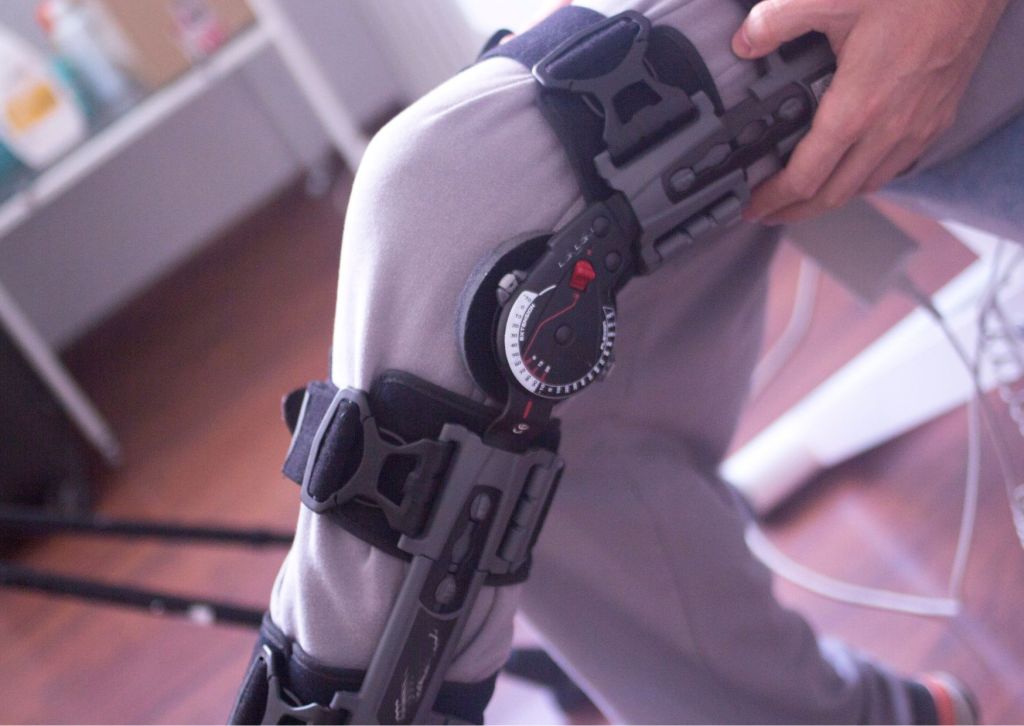
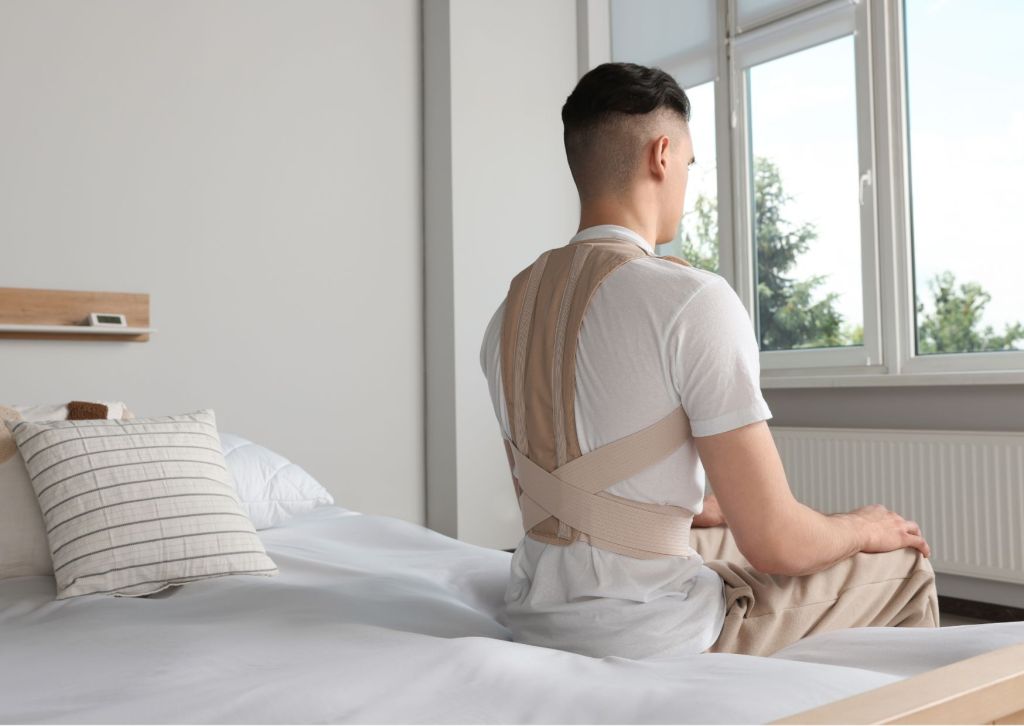
DME encompasses various medical equipment to assist individuals in their daily activities and mobility. This includes crutches, walkers, wheelchairs, and orthotic devices like braces and splints. Bracing, specifically, involves using orthopedic braces to support and immobilize injured joints, muscles, or bones, promoting proper alignment and healing.
One of the critical roles of injury recovery clinics is to assess each patient’s unique needs and prescribe the appropriate DME and bracing solutions tailored to their condition. This involves thorough evaluations by skilled healthcare professionals, including physicians, physical therapists, and orthotists, to determine the most effective treatment plan. The goal is to optimize functionality, alleviate pain, prevent further injury, and expedite healing.
Injury recovery clinics collaborate closely with DME suppliers and orthotic manufacturers to ensure that patients receive high-quality and properly fitted equipment. Custom orthotic devices, such as knee braces, ankle supports, and spinal braces, may be fabricated to provide optimal support and comfort while addressing specific biomechanical issues. Proper fitting and adjustment of DME and braces are essential to maximize their effectiveness and minimize discomfort.
For patient care from orthopedic injuries or surgical procedures, bracing is vital in stabilizing injured joints and facilitating rehabilitation exercises. Orthopedic braces provide external support to weakened or damaged structures, allowing patients to regain strength gradually, range of motion, and function. Additionally, braces can help prevent excessive movement or loading of injured tissues, reducing the risk of complications and promoting safe healing.
Injury recovery clinics also offer comprehensive education and training on adequately using and maintaining dynamic AFO, DME, and braces. Patients receive instructions on how to wear, adjust, and care for their equipment to ensure optimal outcomes. Education may include guidance on proper body mechanics, activity modifications, and strategies for managing daily tasks while wearing braces or using assistive devices.
Furthermore, injury recovery clinics closely monitor patients’ progress throughout rehabilitation, adjusting treatment plans and equipment to support their evolving needs. Regular follow-up appointments allow healthcare providers to assess the effectiveness of DME and bracing interventions, address any concerns or issues, and make necessary modifications to optimize patient outcomes.
In conclusion, injury recovery clinics are critical in managing DME and bracing for patients undergoing rehabilitation for orthopedic injuries or surgical procedures. By providing personalized assessments, custom-fitted equipment, comprehensive education, and ongoing support, these clinics help patients regain function, mobility, and independence on their journey to recovery. Effective management of DME and bracing is essential for promoting optimal healing, preventing complications, and facilitating the return to an active and healthy lifestyle.

 Durable Medical Equipment