Non-union fractures are a type of fracture that does not heal on its own. As a result, the bone fragments do not grow back together, which can cause pain, discomfort, and diminished mobility. Non-union fractures can occur in anyone at any age. However, they are more common in older adults, who tend to have weaker bones.
The risk of non-union fractures is also higher in people with previous injuries to their bones or chronic health problems such as diabetes or obesity. If you have suffered a non-union fracture, you may wonder what makes it different from other fractures.
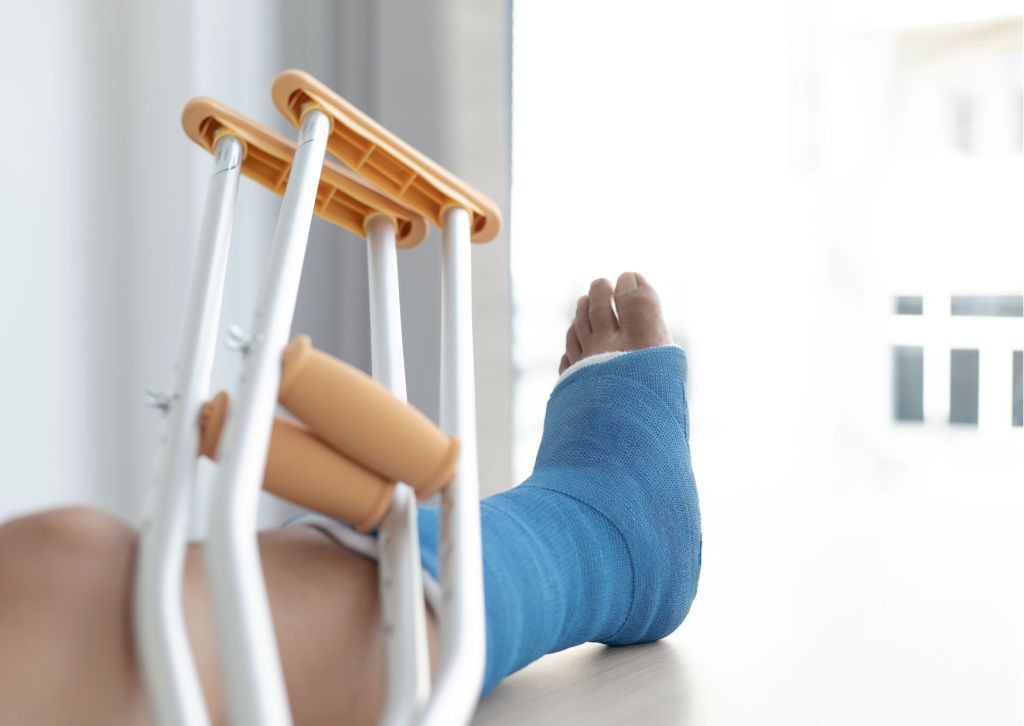
Causes and Signs of Non-Union Fractures
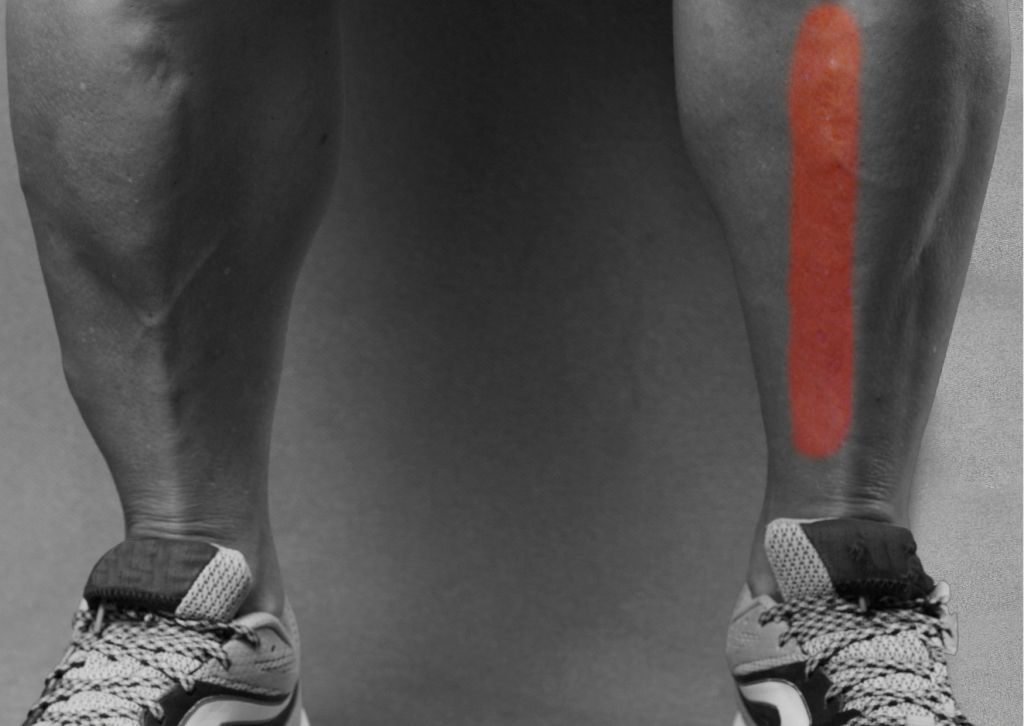
Non-union fractures can happen in any part of the body, but they’re most common in long bones such as the femur, thigh, or tibia (shinbone). They can also occur in joints like wrists or ankles, called avascular necrosis.
Some signs of a non-union fracture include:
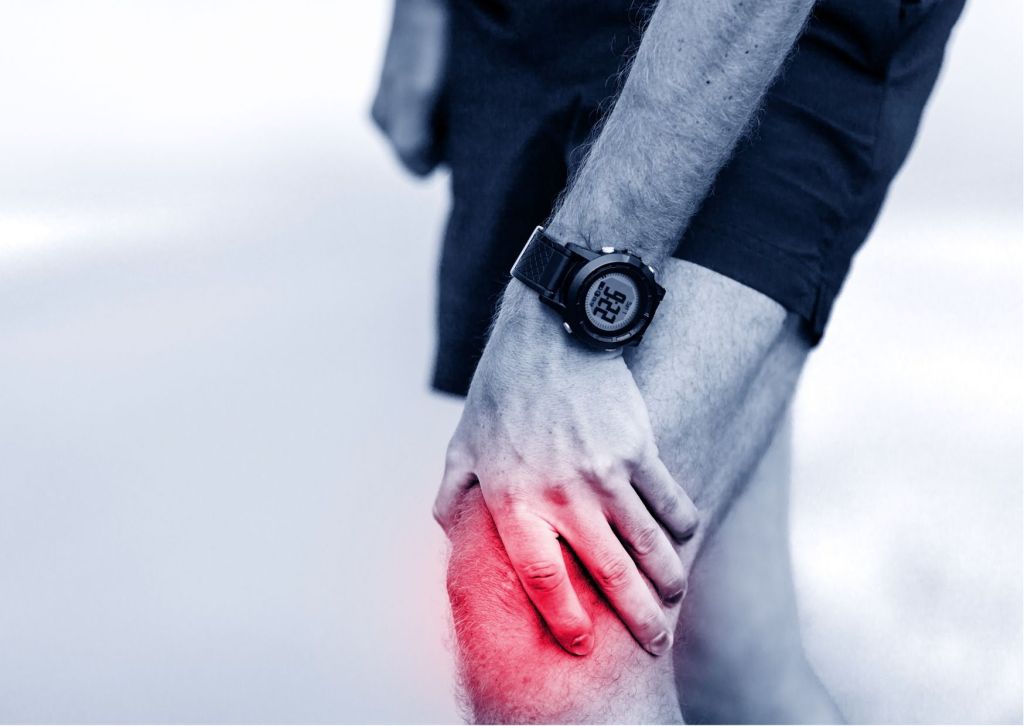
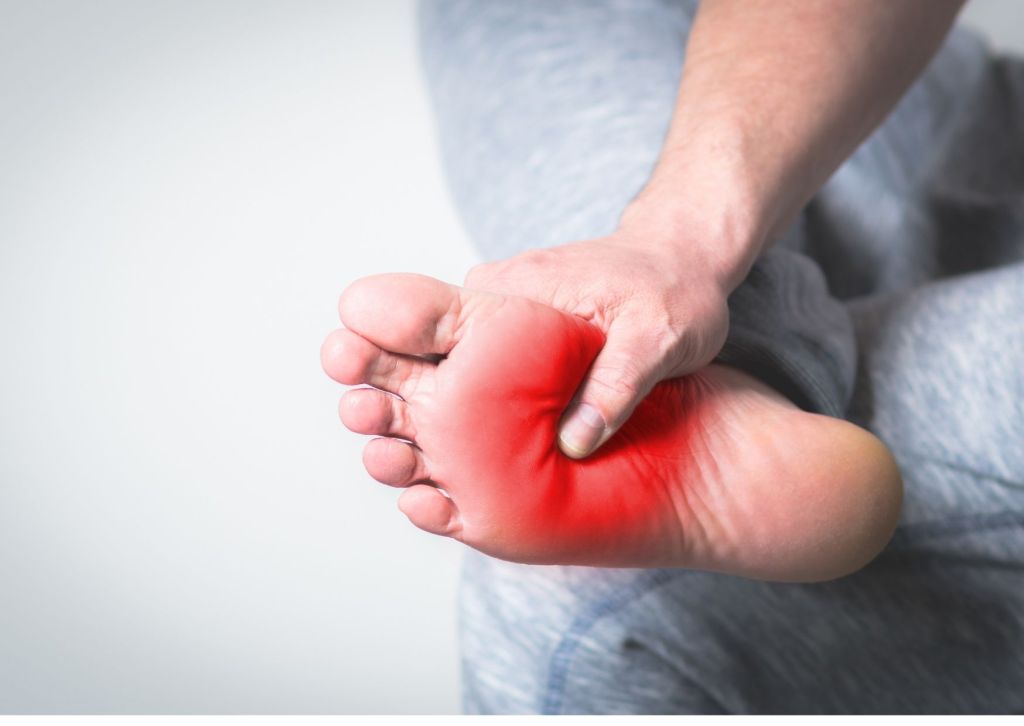
- Pain when you move your joint or limb
- Tenderness around the injured area
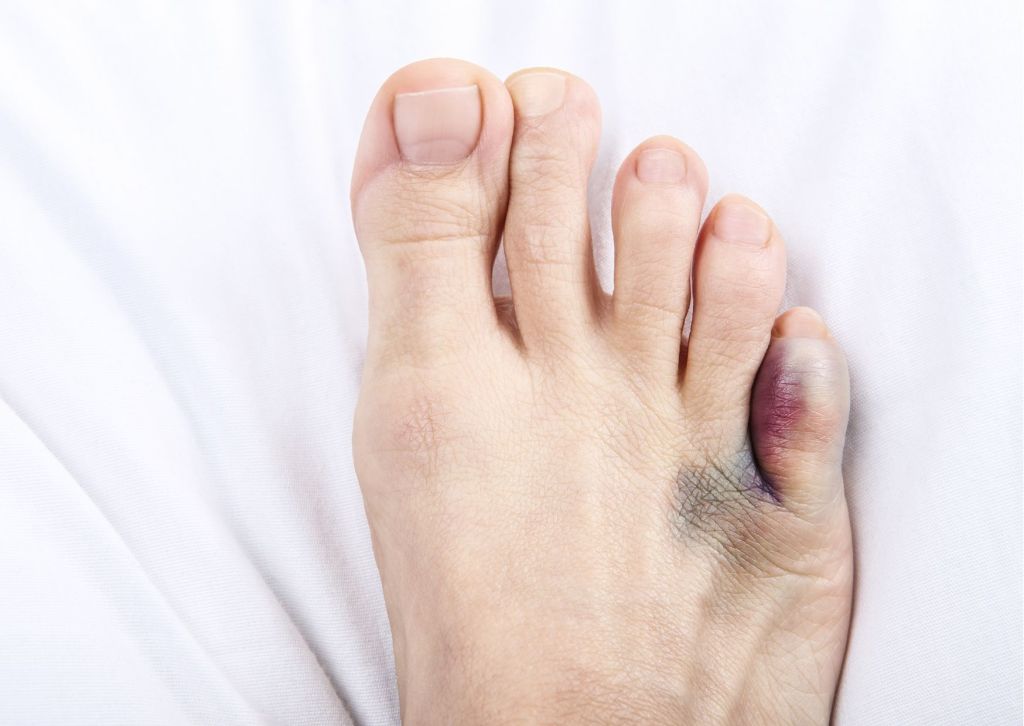
- Swelling and inflammation of surrounding tissue
- Stiffness when you move your limbs and
- Difficulty moving your joints or limbs due to pain or immobility
The most common causes of non-union fractures include:
- Lack of blood supply to the affected area or poor blood flow
- Poor nutrition
- Lack of oxygen at the site of the break
- Inflammation in the area surrounding the break
- Advanced age or an underlying health condition.
- Infection
The severity of the injury will determine whether surgery is required to treat it, but in most cases, surgery is necessary for complete healing. Your doctor may also recommend physical therapy to help you regain strength and range of motion in your affected limb after surgery.



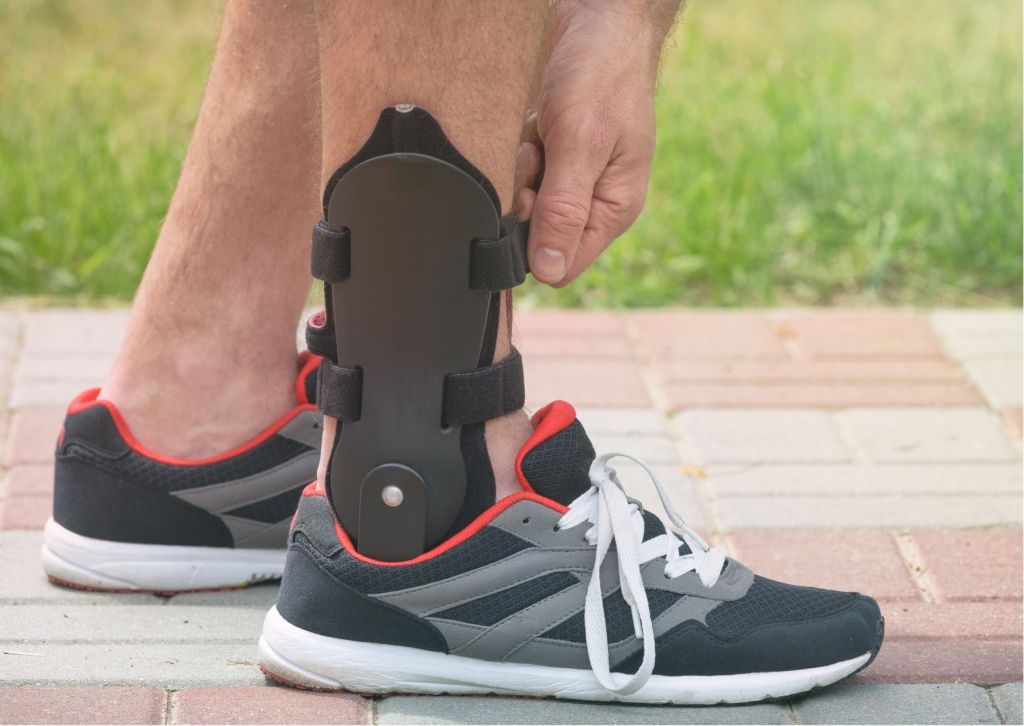
 Durable Medical Equipment