Sports bring out the best in us. They challenge the body, strengthen the mind, and connect us with the community. Yet when injury strikes, especially something as significant as a patella fracture, the journey takes a turn. For athletes, even those who are recreational, the sudden loss of mobility can feel overwhelming. Over my decades of orthopedic practice in Pennsylvania, I’ve seen countless athletes face this exact challenge. What I know to be true is that healing is not only possible but often leads to deeper resilience—when appropriately guided.
Understanding the Patella Fracture
The patella, more commonly known as the kneecap, plays a crucial role in movement. It protects the knee joint and helps transmit the forces generated by the quadriceps, allowing for walking, running, or jumping. In sports, where sudden impact or falls are common, fractures of the patella are not unusual.
When a patella fracture occurs, athletes often describe sharp pain, swelling, and an inability to straighten or bear weight on the leg. Diagnosis is usually confirmed through imaging; however, as practitioners, we also rely on the patient’s description of how the injury occurred. A soccer player might recall colliding with another athlete, while a runner may have fallen directly onto the knee during training. Each story is unique, yet the outcome is similar—the knee requires careful medical attention to heal correctly.
The First Steps of Treatment
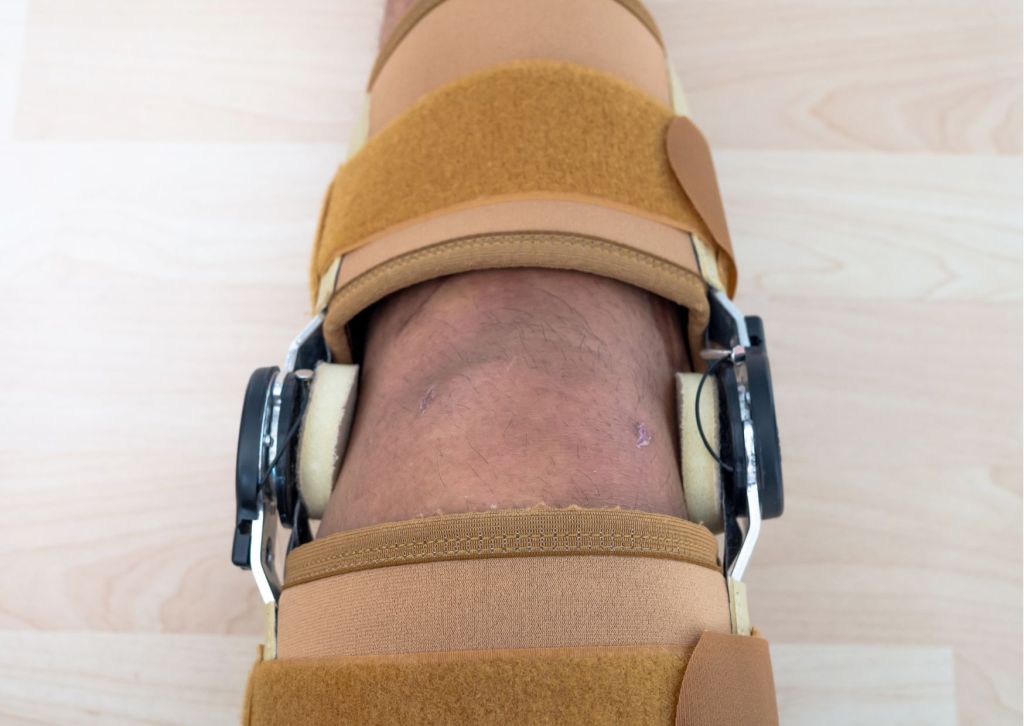
The immediate response to a patella fracture is to stabilize it. Depending on the severity, some cases require surgery to realign and secure the bone fragments, while others can be managed conservatively with immobilization. In either case, protection of the joint is essential. This is where devices such as the Aspen knee brace become critical.
The Aspen knee brace supports the knee by maintaining proper alignment, limiting harmful movements, and providing the bone with the stability it needs to heal. For athletes, this includes reassurance during the vulnerable early stages of recovery. It allows them to focus less on fear of reinjury and more on following their rehabilitation plan.
Rehabilitation and the Road Back
Healing from a patella fracture is not a quick or overnight process. Depending on the type of fracture and treatment, recovery can range from several weeks to a few months. What matters most is respecting the body’s pace.
Rehabilitation often begins with controlled mobility exercises. Initially, the focus is on restoring the range of motion. Even minor improvements—like bending the knee slightly more than the day before—are signs of progress. Later, strengthening exercises become essential. The quadriceps, hamstrings, and hip muscles all need to regain their power to stabilize the knee and prevent future injury.
Patients often ask me when they can return to their sport. The answer depends on their individual healing, but I emphasize that pushing too soon can undo weeks of progress. Instead, gradual milestones—such as walking without pain, climbing stairs comfortably, and jogging lightly—are celebrated as essential markers along the way.
The Mental Side of Recovery
One aspect of healing often overlooked is the mental burden of injury. For an athlete used to regular training, the forced pause can be emotionally draining. Frustration, impatience, and even doubt are common feelings I hear from patients.
This is why structured rehabilitation matters. Working with an orthopedic team provides not only medical guidance but also encouragement. Having clear steps to follow creates purpose during a time when it may feel like everything has come to a standstill. I remind patients that every exercise completed, every day without pain, and every session spent strengthening is part of the victory.
Returning to Sports Safely
The ultimate goal for many patients with a patella fracture is to return to the sport they love. This is achievable, but it requires careful clearance from a medical professional. A knee that looks healed on the outside may still be regaining strength internally.
Protective devices, such as the Aspen knee brace, often continue to play a role during the transition back into activity. Wearing a brace during training or early competition helps reduce stress on the knee, providing athletes with confidence as they test their limits again. Over time, as the muscles grow stronger and stability improves, reliance on external support will likely decrease.
Expertise and Compassion in Recovery
At Synergy Orthopedics, our decades of experience have shown us that healing from sports injuries is not just about fixing the bone—it’s about restoring the person. A patella fracture challenges both the body and the spirit, but with expert care, patience, and the right tools, athletes can return not only to their sport but often stronger than before.
If you or someone you know is navigating recovery from a patella fracture, know that healing is possible. The process requires guidance, structure, and commitment, but step by step, the path back to activity is within reach.

 Durable Medical Equipment