Recovering from a spinal injury is a long and challenging journey, often requiring a combination of medical intervention, physical therapy, and the use of specialized support devices. Whether the injury was caused by a traumatic accident, surgery, or a degenerative condition, the goal is to regain mobility, reduce pain, and restore quality of life. A well-structured recovery plan, supported by experienced professionals, can make all the difference in ensuring a smoother healing process.
At a local injury recovery clinic, we have worked with countless patients navigating the complexities of spinal injury recovery. Personalized patient treatment plans are designed to address individual needs, combining advanced therapies and innovative solutions that support long-term healing.
Understanding the Phases of Spinal Injury Recovery
Recovery from a spinal injury happens in stages, and understanding these phases can help set realistic expectations and promote better outcomes. While every patient’s journey is unique, most spinal injury recoveries follow a similar timeline:
Acute Phase: Protecting and Stabilizing the Spine
Immediately following a spinal injury, the focus is on stabilizing the affected area to prevent further damage. This phase often involves immobilization using a TLSO back brace or other specialized devices that restrict motion and allow the injured tissues to heal properly. Pain management and inflammation control are also prioritized during this stage.
Rehabilitation Phase: Restoring Mobility and Strength
Once the acute phase is managed, the next step is rehabilitation. Physical therapy plays an important role at this stage, helping to improve flexibility, strength, and balance. Targeted exercises are introduced gradually to prevent muscle atrophy and improve overall spinal stability. Depending on the severity of the injury, this phase can last several weeks to months.
Long-Term Recovery: Preventing Future Injuries
After significant progress in rehabilitation, maintaining long-term spinal health becomes the primary focus. This involves continued physical therapy, adopting proper posture, and using supportive devices when necessary. But the key to success is your commitment. Patients who remain committed to recovery plans are more likely to avoid recurring issues and maintain mobility, empowering them to control their recovery journey.
The Role of a TLSO Back Brace in Spinal Injury Recovery
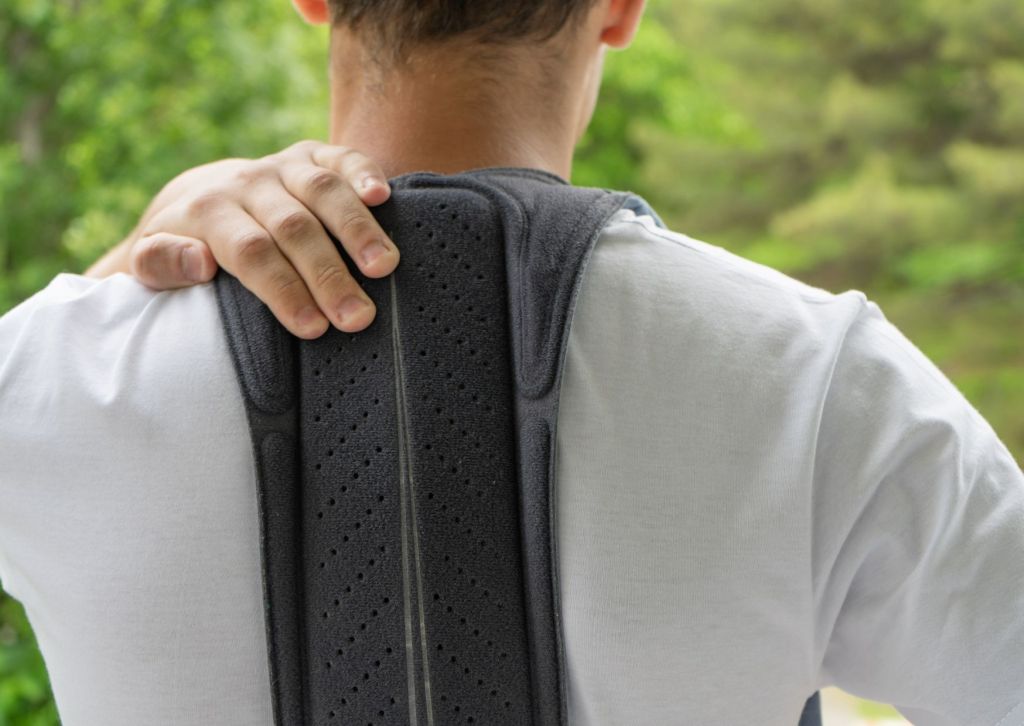
A TLSO brace (Thoracic Lumbar Sacral Orthosis) is a critical tool in spinal injury recovery. This specialized brace supports the thoracic and lumbar spine, restricting unwanted movement and promoting proper alignment.
A TLSO brace is not just a tool; it’s a source of relief and comfort in the journey of spinal injury recovery. This specialized brace supports the thoracic and lumbar spine, restricting unwanted movement and promoting proper alignment. It helps minimize pain and encourage faster healing by reducing stress on the surrounding muscles and spine. It’s often prescribed after spinal surgeries, fractures, or severe sprains, providing the stability needed to prevent further damage during the initial healing phase.
Patients who wear a TLSO back brace, as recommended by their healthcare providers, often experience reduced pain and increased confidence as they progress through their recovery journey.
Why Professional Support Makes a Difference
Spinal injury recovery is not a journey that should be navigated alone. Seeking the expertise of experienced professionals specializing in musculoskeletal rehabilitation ensures that each recovery phase is carefully managed. Our clinic combines evidence-based practices with personalized care to address the unique needs of patients, providing a secure and confident path to recovery.
Individualized Treatment Plans
Every spinal injury is different, so a one-size-fits-all approach doesn’t work. We develop personalized care treatment plans tailored to the patient’s condition, ensuring that therapies and exercises align with their recovery goals.
Advanced Rehabilitation Techniques
Our clinic utilizes advanced rehabilitation techniques to rebuild strength, improve flexibility, and enhance overall mobility. We emphasize gradual progress, allowing the body to heal at its own pace while minimizing the risk of setbacks.
Ongoing Monitoring and Adjustments
Throughout the recovery process, we monitor our patients closely and adjust their treatment plans. Whether it’s modifying exercise routines or recommending the continued use of supportive devices like a TLSO back brace, our goal is to optimize outcomes at every stage.
A Case Study: Successful Spinal Injury Recovery
One of our patients, a 45-year-old active professional, sustained a severe lower back injury following a car accident. After surgery, he was placed in a TLSO back brace to stabilize his spine during the early recovery phase. Under our clinic’s care, he followed a customized rehabilitation plan that included guided physical therapy sessions, pain management techniques, and regular progress evaluations.
Within six months, his strength, balance, and mobility significantly improved. By remaining committed to his recovery plan and using a TLSO back brace as advised, he was able to return to his active lifestyle without recurring pain or instability.
Embrace a Stronger Future with Expert Care
Spinal injury recovery requires patience, dedication, and expert guidance. With the right support, including advanced rehabilitation techniques and specialized devices like a TLSO back brace, patients can achieve great outcomes and regain their quality of life.
If you or a loved one is on the journey to spinal injury recovery, trust in a local injury recovery clinic that prioritizes personalized care and lasting results. Our team is here to guide you every step of the way, ensuring that you achieve a stronger and healthier future.

 Durable Medical Equipment