An anterior cruciate ligament tear is a common and severe knee injury, particularly among athletes and active individuals. This injury can occur during sudden stops, jumps, or changes in direction, such as in soccer, basketball, and skiing. While surgical intervention is commonly recommended for severe ACL tears, many patients can benefit from non-surgical treatments, especially if they have a partial tear, lower activity levels, or specific health conditions that make surgery risky. This article explores the various non-surgical treatments for managing an ACL tear and the benefits these methods offer.
Initial Management of ACL Tears
When an ACL injury is suspected, initial management should focus on reducing pain and swelling and protecting the knee from further damage. The RICE method is widely recommended:
- Rest: Avoid weight-bearing activities to prevent aggravating the injury.
- Ice: Apply ice packs to the knee for at least 20 minutes every two hours to reduce swelling and pain.
- Compression: Use an elastic bandage or a knee brace to compress the knee and limit swelling.
- Elevation: Keep the leg elevated above heart level to minimize swelling.
Prompt medical evaluation is essential. A healthcare provider will conduct a physical exam and may use imaging tests such as MRI or X-rays to confirm the diagnosis and determine the extent of the injury.
Non-Surgical Treatments
For many individuals, especially those with partial ACL tears or less active lifestyles, non-surgical treatments can be highly effective. These treatments aim to reduce swelling and pain, restore knee function, and strengthen the muscles supporting the knee.
Physical Therapy
Physical therapy is a cornerstone of non-surgical treatment for ACL injuries. A structured rehabilitation program typically includes:
- Range-of-motion exercises help restore normal knee movement, crucial for preventing stiffness and maintaining joint health.
- Strengthening Exercises: This exercise focuses on strengthening the hamstrings, quadriceps, and other muscles that support the knee, thereby improving stability and function.
- Balance and Proprioception Training: These exercises enhance the stability and coordination of the knee joint, which is essential for preventing future injuries.
Functional Bracing
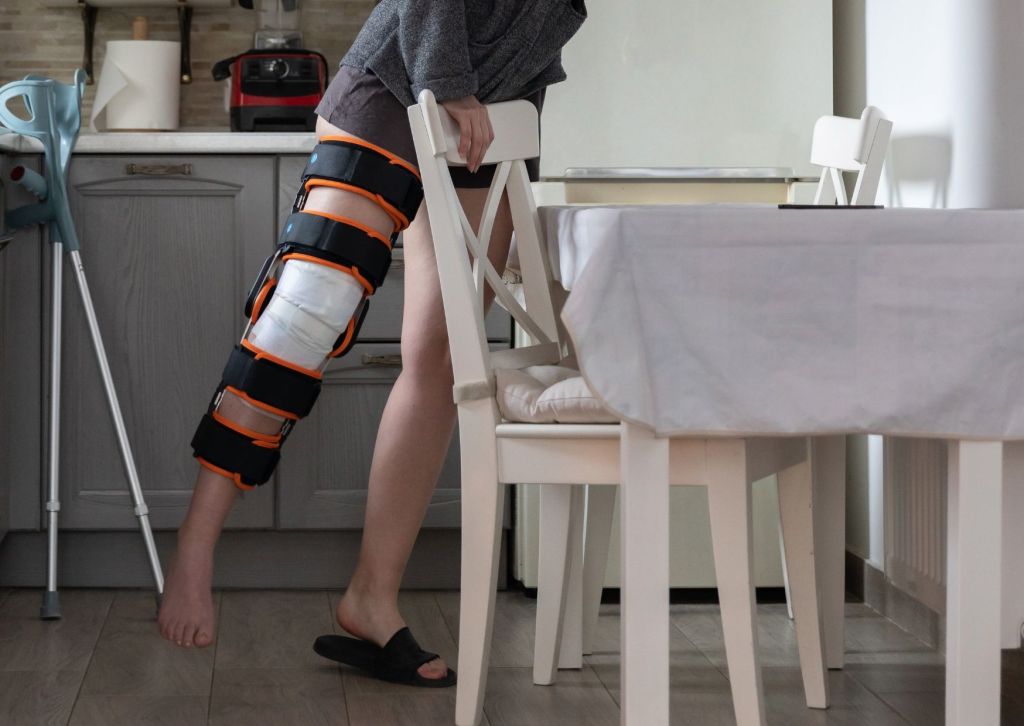
Knee braces, such as the Shields II Knee Brace, can provide additional support and stability, especially during physical activities. Functional braces protect the knee from further injury while allowing for some movement. They are handy for athletes or individuals who wish to remain active while managing an ACL injury.
Activity Modification
Modifying activities to avoid those that stress the knee can help manage an ACL tear non-surgically. This may involve switching to low-impact exercises such as swimming or cycling, which can maintain cardiovascular fitness and muscle strength without placing stress on the knee joint.
Medications
Non-steroidal anti-inflammatory drugs (NSAIDs) can help reduce pain and inflammation associated with an ACL tear. In some cases, corticosteroid injections may be recommended to manage severe inflammation and pain.
Long-Term Considerations
While non-surgical treatments can be effective, monitoring progress and following up regularly with a healthcare provider is essential. Ongoing exercises to maintain knee strength and flexibility are crucial for long-term knee health. In some cases, surgical intervention may be reconsidered if non-surgical treatments do not provide sufficient stability and function.
Non-surgical treatments for ACL tear injury can be highly effective for many individuals, offering a range of benefits from lower risk to reduced recovery times. Physical therapy, functional bracing, activity modification, medications, and innovative treatments like PRP therapy all play a role in managing this injury. By working closely with healthcare professionals and strictly following a structured rehabilitation program, patients can significantly improve knee stability and function, enabling them to confidently return to their daily activities.

 Durable Medical Equipment