Losing part of a lower limb significantly impacts mobility, independence, and quality of life, regardless of the cause. Although the path forward may seem uncertain, advances in prosthetic care now enable many individuals to resume active, fulfilling lives.
As a trusted DME and orthopedic clinic, we support patients throughout every stage of recovery. Proper use of prosthetic devices is essential for restoring function and confidence. Understanding how these devices work, who they benefit, and the fitting process helps make the journey more transparent and more manageable.
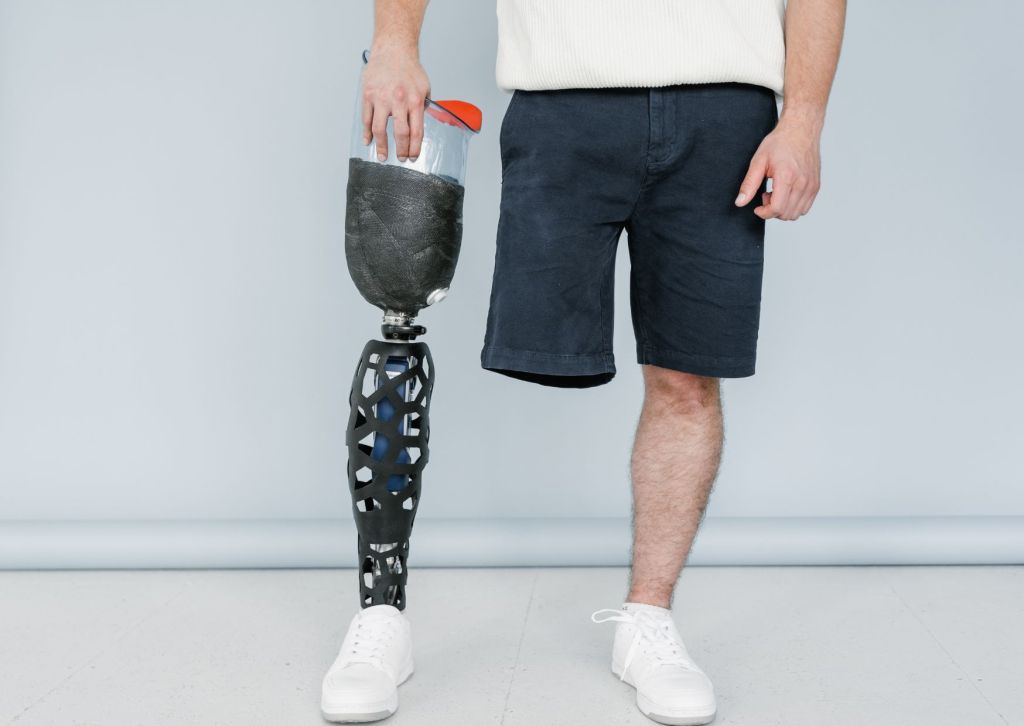
What Lower Extremity Prosthetic Devices Are Designed to Do
Lower extremity prosthetic devices replace the function of a missing limb segment and support balance, movement, and comfort. Their main goal is to restore safe and efficient mobility, not just appearance.
These devices help patients walk, stand, climb stairs, and perform daily activities independently. They also reduce strain on the remaining limb, joints, and spine by promoting proper alignment and movement.
Each prosthetic solution is tailored to the individual’s level of amputation, physical condition, lifestyle, and goals.
Types of Lower Extremity Limb Loss
The level of limb loss significantly influences prosthetic design and function. Common levels include partial foot, below-the-knee (transtibial), above-the-knee (transfemoral), and more complex amputations involving the knee or hip.
Each level presents unique challenges and opportunities. For example, preserving the knee joint often allows for greater mobility and energy efficiency, while above-the-knee amputations require more advanced components to support stability and motion.
Understanding these differences helps guide realistic expectations and prosthetic planning.
Key Components of Lower Extremity Prosthetics
While prosthetic systems vary, most include several core components that work together to support movement and comfort.
The socket fits over the residual limb and is critical for comfort, control, and weight distribution. A well-designed socket reduces pressure points and helps prevent skin irritation.
Suspension systems keep the prosthesis securely attached. They may use suction, liners, straps, or mechanical locks, depending on the patient’s needs and activity level.
Prosthetic feet and knees provide movement and stability. Options range from basic designs for everyday walking to advanced microprocessor-controlled components that adapt to walking speed, terrain, and movement patterns.
The Importance of Proper Fit and Alignment
A successful prosthetic experience depends heavily on proper fit. Even a well-designed device will not perform effectively if it does not fit correctly. Poor fit can lead to discomfort, skin breakdown, instability, and reduced confidence.
Orthopedic and prosthetic specialists ensure alignment supports natural movement and minimizes strain. Adjustments are often needed as the body heals and changes, especially in the months after limb loss.
Regular follow-up appointments are essential for maintaining comfort and performance over time.
Rehabilitation and Training Matter
Receiving a prosthesis is only one part of the process. Rehabilitation and training are equally important. Physical therapy helps patients use their prosthetic safely, efficiently, and confidently.
Therapy focuses on balance, strength, coordination, and gait training. Patients learn to navigate challenges such as stairs, uneven surfaces, and transfers in and out of chairs or vehicles.
This training reduces fall risk and improves long-term outcomes.
Supporting Independence and Quality of Life
Modern prosthetic devices for lower-limb loss support real-world living. Many patients return to work, hobbies, and valued social activities. Some even resume sports and recreation with the proper prosthetic setup.
Beyond physical function, prosthetic use often improves mental and emotional well-being. Regaining mobility can restore confidence, independence, and a sense of control after a difficult event.
Support from a knowledgeable clinical team is essential to recovery.
Ongoing Care and Adjustments
Limb volume can change over time due to weight fluctuation, muscle changes, or medical conditions. As a result, prosthetic devices often require adjustments or replacement components to maintain proper fit and function.
Routine check-ins help clinicians identify issues early and prevent complications. This ongoing relationship ensures the prosthetic continues to meet the patient’s needs as their activity level or health changes.
Prosthetic care is not a one-time event. It is a long-term partnership.
The Role of a Trusted DME and Orthopedic Clinic
Choosing the right care team makes a significant difference. A trusted DME and orthopedic clinic provides comprehensive support, from initial evaluation through long-term follow-up. This includes collaboration between physicians, prosthetists, therapists, and support staff.
Our focus is on patient-centered care. We listen to goals, address concerns, and provide education at every step. Informed patients make better decisions and experience better outcomes.
Lower extremity limb loss presents challenges, but it does not define a person’s potential. With the proper support, education, and prosthetic devices, individuals can regain mobility, independence, and confidence.
As a trusted DME and orthopedic clinic, we are committed to guiding patients through every phase of their prosthetic journey. From initial fitting to long-term care, our goal is to help patients move forward with strength, safety, and clarity.
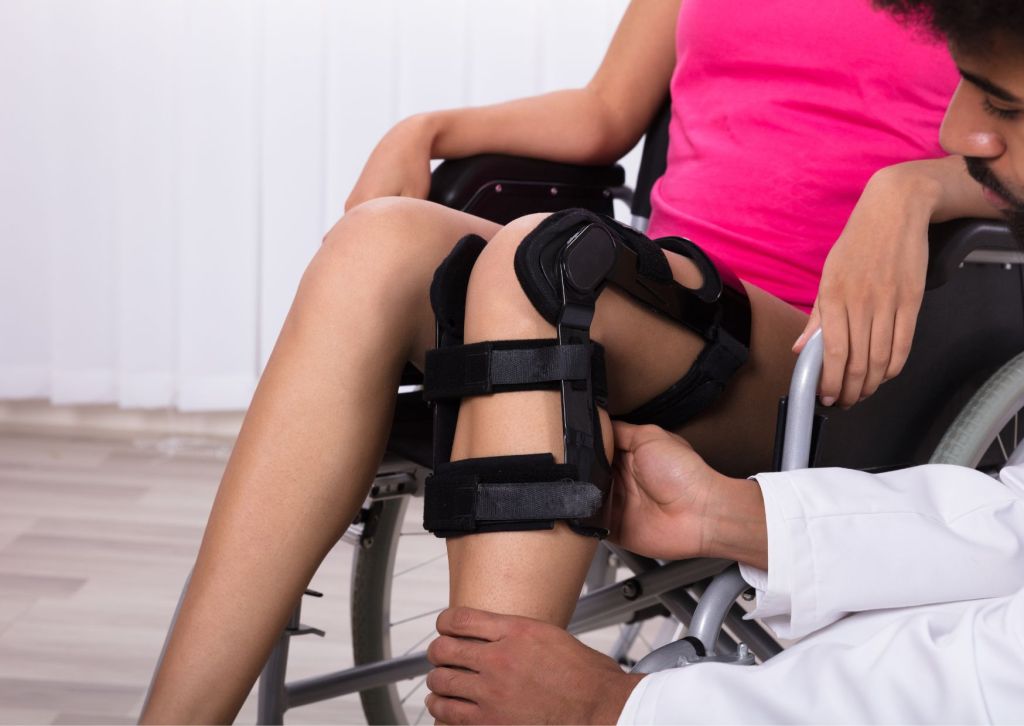
 Durable Medical Equipment