Knee injuries, common in sports, can significantly impact an athlete’s performance and lead to long-term complications if not managed properly. In this context, knee braces have emerged as a crucial tool in the recovery process. Let’s take a closer look on knee braces in accelerating recovery after sports injuries, shedding light on their benefits and the scientific principles that underpin their use.
Understanding Knee Braces
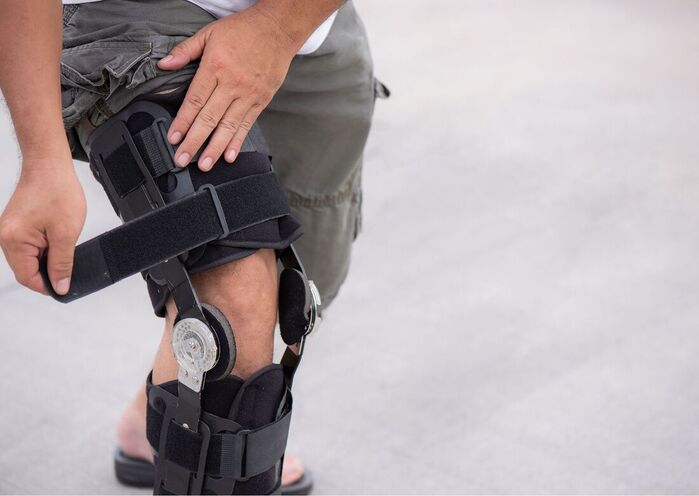
Knee braces are designed to provide stability, support, and protection to the injured knee. They come in various types, each tailored to address specific injuries and recovery stages. The most common types include prophylactic braces (prevent injury), functional braces (provide support to previously injured knees), rehabilitative braces (limit harmful knee movement while a knee is healing), and unloader/offloader braces (give relief to individuals who have arthritis in the knees).
Benefits of Knee Braces in Sports Injury Recovery
1. Stabilization and Support
One of the primary roles of knee braces is to provide stabilization and support to the injured knee. Following an injury, the knee joint may be unstable due to damaged ligaments, tendons, or muscles. A knee bracing helps to keep the knee appropriately aligned, reducing the risk of further injury. This stabilization is crucial, especially during the early stages of recovery when the knee is most vulnerable.
2. Pain Reduction
Knee braces can also provide relief by reducing pain associated with knee injuries. Braces can alleviate stress on the injured area by providing compression and limiting the range of motion, thus reducing pain. This pain relief allows athletes to engage in physical therapy and other recovery activities more comfortably and effectively, providing reassurance and comfort during their recovery process.
3. Enhanced Mobility
Contrary to the belief that braces restrict movement, they can empower athletes by giving them the confidence to move without fear of reinjury. Functional knee braces, in particular, are designed to support normal knee movement while preventing movements that could exacerbate the injury. This enhanced mobility is crucial for athletes looking to regain their full range of motion, instilling a sense of control and confidence in their recovery journey.
4. Faster Healing
Knee braces can contribute to faster healing by ensuring that the injured area is adequately supported and protected. Rehabilitative braces, for instance, are designed to limit harmful knee movement while still allowing necessary mobility. This controlled movement can promote better blood circulation and faster tissue repair, accelerating recovery.
5. Psychological Benefits
The psychological impact of an injury can be just as debilitating as the physical aspects. Athletes often struggle with fear of reinjury, which can hinder their performance and recovery. Wearing a knee brace can provide security and confidence, enabling athletes to focus on rehabilitation without the constant worry of reinjury.
The Science Behind Knee Braces
Various studies and clinical trials support the effectiveness of knee braces. Research has shown that knee braces can significantly reduce the risk of subsequent injuries, particularly in sports that involve a high degree of knee stress, such as football, basketball, and skiing. For example, a study published in the American Journal of Sports Medicine found that functional knee braces significantly reduced the risk of anterior cruciate ligament (ACL) injuries among athletes.
Furthermore, knee braces have improved proprioception—the body’s ability to sense movement and position. Improved proprioception enhances an athlete’s coordination and balance, reducing the risk of reinjury during recovery.
Choosing the Right Knee Brace
Choosing the right knee brace is important for maximizing its benefits. Athletes should seek professional guidance from medical experts, such as orthopedic surgeons or physical therapists, to determine the best brace for their injury and recovery needs. Factors to consider include:
- The type and severity of the injury
- The athlete’s level of activity
- The specific requirements of their sport
This professional guidance ensures that athletes feel secure and well-informed about their recovery process.
Knee braces play a vital role in accelerating recovery after sports injuries. Knee braces enable athletes to confidently return to their sports and reduce the risk of reinjury by providing stabilization, reducing pain, enhancing mobility, and promoting faster healing. As with any medical intervention, using knee braces such as a Global Knee Brace under healthcare professionals’ guidance is essential to ensure optimal recovery and long-term knee health. Embracing the benefits of knee braces can make a big difference in an athlete’s journey to full recovery, allowing them to regain their strength, performance, and competitive edge.

 Durable Medical Equipment