Understanding Tibia Fractures: How They’re Diagnosed and Treated

A tibia fracture, often referred to as a broken shinbone, is one of the most common long bone injuries in the body. Because the tibia bears much of your body’s weight, a fracture can significantly impact mobility and overall quality of life. Whether caused by a sports injury, a fall, or a car collision, prompt diagnosis and proper treatment are crucial for ensuring a full recovery.

tibia fracture

Understanding the Tibia and How Fractures Occur

The tibia, also known as the shinbone, is the larger of the two bones in the lower leg that connect the knee to the ankle. It plays a vital role in supporting body weight and enabling movement. Because of its function and location, it’s particularly vulnerable to injury.

A tibia fracture can result from several causes, including high-impact trauma such as car accidents, falls, or sports injuries. In some cases, repetitive stress over time—especially in athletes or runners—can lead to small cracks known as stress fractures. Regardless of how it occurs, a tibia fracture requires careful medical attention and accurate diagnosis to prevent long-term complications.

Common Signs and Symptoms

The symptoms of a tibia fracture depend on the severity of the break, but they often include:

  • Intense pain in the lower leg, especially when putting weight on it
  • Visible deformity or misalignment of the leg
  • Swelling and bruising around the shin
  • Difficulty walking or bearing weight
  • In severe cases, an open wound where the bone pierces the skin

Even if symptoms seem mild, it’s essential not to ignore them. Some fractures may appear minor at first, but can worsen without proper treatment.

How a Tibia Fracture Is Diagnosed

Proper diagnosis is the first and most essential step in treating a tibia fracture. Doctors rely on both physical examination and imaging tests to determine the type and extent of the injury.

During the initial evaluation, a physician will ask how the injury occurred and examine the leg for swelling, tenderness, deformity, and circulation. They may gently move the leg to assess the range of motion and identify potential nerve or blood vessel damage.

To confirm the diagnosis, imaging tests are performed. These may include:

X-rays: The most common and effective first step in diagnosing a tibia fracture. X-rays show the exact location and type of fracture.

CT Scan (Computed Tomography): Used for more complex fractures or when the break extends into a joint. It provides detailed cross-sectional images of the bone.

MRI (Magnetic Resonance Imaging): Helpful for detecting stress fractures or soft tissue injuries that may not appear on X-rays.

Once the type and severity of the fracture are identified, a treatment plan can be developed.

Treatment Options for Tibia Fractures

The treatment approach for a tibia fracture depends on several factors, including the location of the break, the degree of displacement, and the patient’s overall health and activity level.

Non-Surgical Treatment

If the fracture is stable and the bone fragments are well-aligned, non-surgical treatment may be sufficient. This typically involves:

Casting or Bracing: A cast or brace immobilizes the leg, allowing the bone to heal in the correct position.

Rest and Limited Weight-Bearing: Patients may use crutches to avoid putting pressure on the leg during healing.

Regular Monitoring: X-rays are taken periodically to ensure the bone is healing correctly.

Recovery from non-surgical treatment can take several weeks to months, depending on the individual’s healing process.

Surgical Treatment

When the fracture is displaced, open, or involves the joint, surgery is often necessary. The goal is to realign and stabilize the bone so it can heal correctly. Standard surgical options include:

Intramedullary Nailing: A metal rod is inserted into the center of the bone to keep it stable during healing.

Plates and Screws: These are used to hold bone fragments together, especially for fractures near the knee or ankle.

External Fixation: Metal pins and rods outside the body stabilize the bone, often used for severe or open fractures.

After surgery, physical therapy plays a key role in regaining leg strength, mobility, and flexibility.

Recovery and Rehabilitation

Healing from a tibia fracture requires time and patience. While the bone may begin to mend within weeks, complete recovery can take several months. Rehabilitation is crucial in ensuring the leg regains its full function.

Physical therapy usually starts with gentle exercises to improve movement and gradually progresses to strength training. Patients are encouraged to follow their doctor’s advice regarding activity levels, as putting weight on the leg too early can lead to complications or re-injury.

Proper nutrition, including calcium and vitamin D intake, also supports bone healing. Avoiding smoking and maintaining overall health can further promote recovery.

When to Seek Immediate Medical Attention

Sure signs may indicate complications that need urgent care, such as persistent swelling, severe pain, or numbness in the toes. If you notice signs of infection—like fever, redness, or drainage from a wound—contact your healthcare provider immediately.

A tibia fracture is a serious injury, but with prompt diagnosis, proper treatment, and consistent rehabilitation, most patients can make a full recovery. Understanding how these fractures are diagnosed and treated helps patients take a more informed and active role in their healing journey.

Whether treated non-surgically or with surgery, the key to successful recovery lies in following medical advice, attending therapy sessions, and giving your body the time it needs to heal. With patience and proper care, you can regain strength, mobility, and confidence in your step.
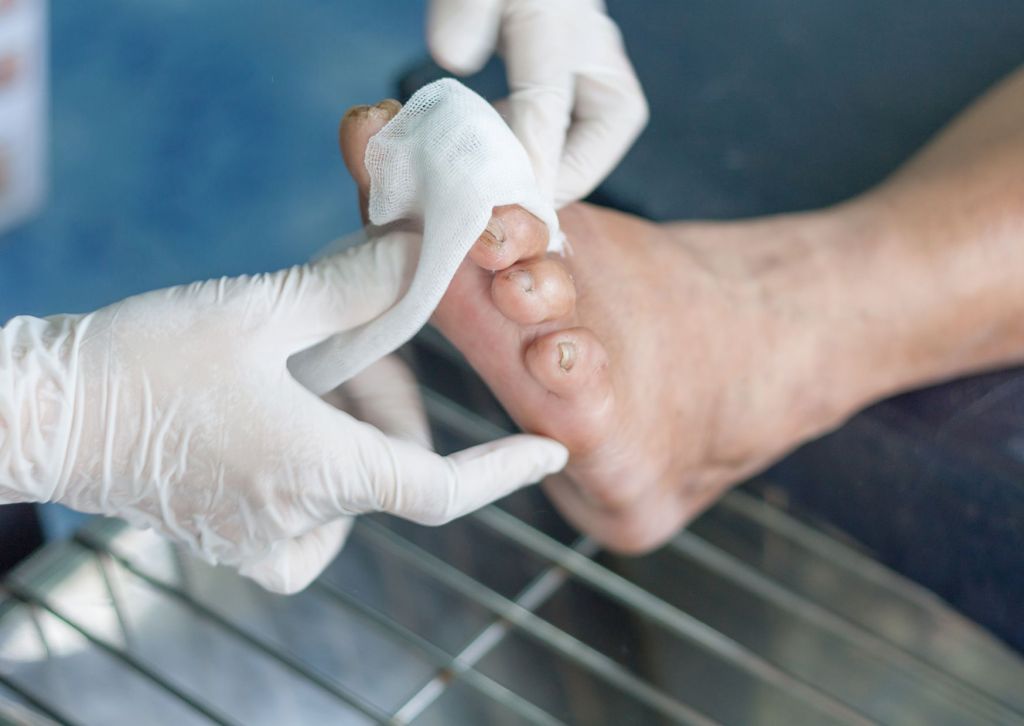

What You Need to Know About Metatarsal Fractures and Recovery

Foot injuries can be both painful and disruptive, especially when they involve the delicate bones that help you walk, run, and stand comfortably. Among the most common foot injuries is a metatarsal fracture, which affects one of the five long bones in the middle of the foot. These bones are essential for stability and movement, so even a small crack or break can limit your mobility and quality of life.

Whether caused by sports, accidents, overuse, or simply a wrong step, understanding what a metatarsal fracture is and how to recover from it is crucial. It will be key to getting back on your feet.

metatarsal fracture

What Is a Metatarsal Fracture?

A metatarsal fracture is a break in one of the five long bones in your foot, located between the ankle and the toes. These fractures can range from hairline stress fractures to complete breaks and can occur in any of the metatarsal bones, though the second and fifth are most frequently affected.

There are generally two types:

Traumatic fractures happen suddenly due to impact or injury, such as twisting it or dropping something heavy on the foot.

Stress fractures, which develop gradually from repetitive stress and overuse, are commonly seen in runners or athletes.

Common Symptoms

If you’ve injured your foot and suspect a metatarsal fracture, symptoms may include:

  • Sharp pain at the injury site
  • Swelling and bruising
  • Difficulty walking or bearing weight
  • Visible deformity in severe cases

Even if you can walk, a persistent ache in the middle of your foot after activity may be a sign of a stress fracture. It’s always wise to get it checked out by a medical professional.

Diagnosis and Treatment

Your healthcare provider may start with a physical examination and order imaging, such as X-rays, to confirm the fracture. In some cases, advanced imaging techniques like MRI may be necessary to detect more minor stress fractures.

Treatment for a metatarsal fracture depends on its severity and location. Minor fractures may only require rest, ice, and a stiff-soled shoe or walking boot. More serious injuries might need a cast or even surgical intervention if the bones are displaced.

Healing Time and Recovery

The healing process can take anywhere from six to eight weeks for minor fractures, but longer for more severe breaks. During this time, it’s crucial to follow your provider’s instructions, avoid putting pressure on the foot, and use crutches or support if recommended.

Physical therapy may be part of your recovery to help restore strength and mobility once the bone has healed. Returning to any physical activity should be gradual and only with your doctor’s approval.

Preventing Future Fractures

If you’ve had a fracture before or are involved in high-impact sports, prevention is crucial. Here are a few straightforward tips:

  • Wear supportive, well-fitting shoes
  • Increase training intensity gradually
  • Incorporate balance and strength exercises

Don’t ignore pain. It’s your body’s warning system.

A metatarsal fracture might seem like a minor injury, but if it’s left untreated, it can lead to chronic pain, improper healing, and long-term issues with mobility. Early diagnosis, proper care, and patience during recovery are key.

If you suspect you’ve injured your foot, don’t wait it out. A prompt evaluation from a foot and ankle specialist can make all the difference in how quickly and thoroughly you recover. Remember, taking the proper steps now means you’ll be back on your feet comfortably and confidently sooner than you think.

Recovery Outlook for Patients with Drop Foot Syndrome

Drop foot syndrome, also known as foot drop, is a condition that impairs the patient’s ability to lift the front part of the foot. This condition can cause difficulties in walking, leading to dragging of the foot and, in some cases, the need to compensate by lifting the knee higher than usual. It may arise from different causes, including nerve damage, muscular disorders, or neurological conditions such as stroke or multiple sclerosis.

Although drop foot can be debilitating, with the proper treatment, many patients can achieve significant improvements in mobility. The recovery outlook for drop foot syndrome depends on the underlying cause, the severity of nerve or muscle damage, and the effectiveness of the treatment plan. In this blog post, we’ll explore the treatment options for drop foot and what patients can expect regarding recovery.

dropfoot syndrome

Treatment Options for Dropfoot

The treatment of dropfoot syndrome focuses on addressing the underlying cause, reducing discomfort, and improving mobility. Some of the most common treatment options include:

1. Bracing (Ankle-Foot Orthosis)

One of the most common non-surgical treatments for drop foot is an ankle-foot orthosis (AFO) or Blue Rocker Toe Off. These braces are designed to hold the foot in a neutral position, preventing it from dragging and improving walking gait. AFOs are particularly useful for patients with nerve damage, as they provide immediate relief and help maintain mobility while the nerve heals.

2. Physical Therapy

Physical therapy is critical to treating drop foot. Therapists work with patients to strengthen the muscles in the lower legs and improve their range of motion. Exercises to stretch and strengthen the ankle, foot, and leg muscles can significantly improve the condition. Physical therapy may also focus on gait training to help patients walk more quickly, especially for those recovering from neurological conditions.

3. Electrical Nerve Stimulation

Functional electrical stimulation (FES) involves using tiny electrical impulses to stimulate the muscles responsible for lifting the foot. This therapy can be particularly effective for patients with nerve damage, helping them regain movement and strength in the affected muscles. FES can be used both during physical therapy sessions and at home with wearable devices.

4. Surgery

In severe cases where nerve damage is significant or when other treatments are not effective, surgery may be required. Surgical options may include nerve grafts, tendon transfers, or peroneal nerve decompression. Surgery is typically the last resort but can be highly effective in restoring mobility when other treatments have failed.

5. Addressing Underlying Conditions

For patients whose drop foot is caused by an underlying neurological condition such as multiple sclerosis or stroke, treatment focuses on managing the primary condition. This can involve medications, rehabilitation, and lifestyle changes to help improve overall function.

Recovery Outlook for Drop Foot Syndrome

The recovery outlook for patients with drop foot varies based on several factors:

The most significant factor in the outlook for recovery is the condition’s underlying cause. For example, patients with dropfoot due to a compressed or injured nerve often have a good prognosis, especially if the nerve damage is reversible. With the right treatment, many of these patients experience substantial improvement over time.

Early intervention is essential for improving the chances of recovery. The longer dropfoot is left untreated, the more likely secondary issues, such as muscle atrophy or joint stiffness, will develop. Early use of braces, physical therapy, and other interventions can prevent these complications and enhance recovery.

The success of treatments such as physical therapy, electrical stimulation, or wearing a brace depends largely on the patient’s adherence to the prescribed regimen. Patients who actively participate in their treatment plans, attend therapy sessions, and use devices as recommended often see better outcomes.

The degree of nerve damage plays a major role in recovery. Mild nerve compression or injury can often heal with conservative treatments, leading to a complete or near-complete recovery. In more severe cases, such as nerve severance or damage due to neurological diseases, recovery may be partial, with ongoing management needed to maintain mobility.

Long-Term Management

In cases where full recovery is impossible, long-term management focuses on maintaining function and quality of life. Patients may need to use braces, orthotics, or walking aids permanently to assist with mobility. Ongoing physical therapy can also help prevent muscle deterioration and improve gait.

Patients with progressive neurological conditions may benefit from additional support, such as home modifications to reduce fall risk or assistive devices for daily tasks. Maintaining a positive outlook and focusing on abilities rather than limitations can significantly improve overall well-being.

While challenging, dropfoot syndrome is treatable, and many patients experience significant improvement with proper care. The recovery outlook largely depends on the condition’s underlying cause and the treatment’s timeliness and consistency. Most patients can regain mobility and independence through physical therapy, bracing, electrical stimulation, or surgery.