More Than a Fit: The Life-Changing Work of Experienced Prosthetists

Behind every prosthetic limb is a story of resilience, healing, and hope. At the heart of these stories are experienced prosthetists who combine medical expertise, technology, and compassion to help patients regain confidence and function in their daily lives.

Prosthetics is not a one-size-fits-all field. Each patient’s journey is unique, and so is the device that will help them move forward. That’s where an experienced prosthetist makes a world of difference.
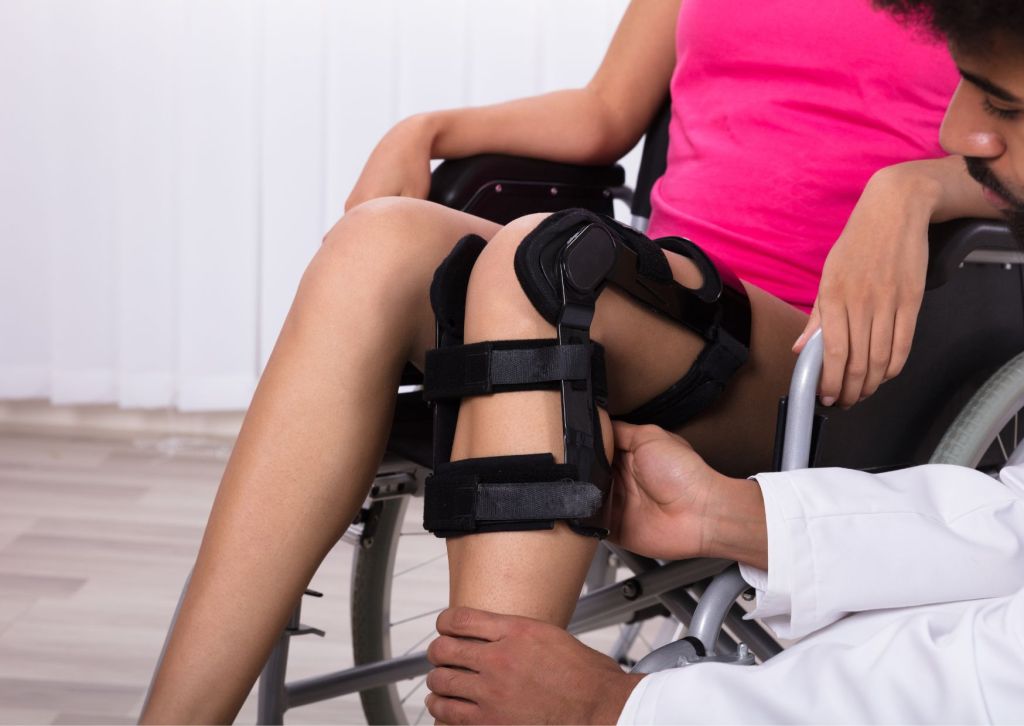
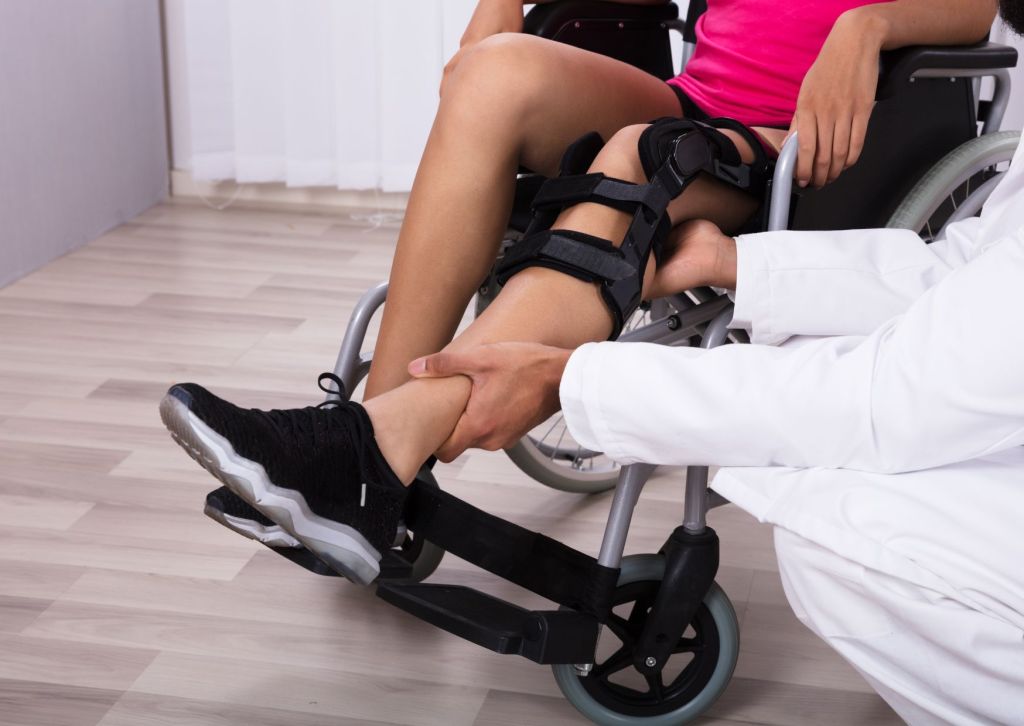
experienced prosthetists

What Do Prosthetists Do?

While many people think of prosthetists as simply technicians who build artificial limbs, their role is far more comprehensive and personal. These specialists assess, design, fit, and adjust prosthetic devices for individuals who have lost a limb due to injury, illness, or congenital conditions.

But it goes beyond measurements and mechanics. Experienced prosthetists work closely with each patient to understand their lifestyle, physical needs, and emotional well-being. Whether someone wants to return to athletics, walk pain-free, or regain independence in everyday tasks, a prosthetist tailors their work to make that possible.

Why Experience Matters

The field of prosthetics blends science, anatomy, and evolving technology. But it also requires a deep understanding of how the human body moves, heals, and adapts. Experienced prosthetists bring years of hands-on practice and a nuanced ability to anticipate complications, troubleshoot problems, and adjust fittings with precision.

An experienced professional knows how to recognize subtle signs of discomfort or pressure points before they escalate into larger issues. They know how to work with physicians and physical therapists to create a cohesive plan that supports the patient through every stage of recovery. Their experience helps them navigate both the technical challenges and emotional aspects of limb loss, providing reassurance and support throughout the journey.

The Patient-Prosthetist Relationship

The relationship between a prosthetist and a patient is built on trust and communication. These specialists are often involved long after the initial fitting, with regular follow-ups to ensure that the prosthesis continues to work well as the patient’s body and needs evolve.

A prosthesis that fits perfectly today might need adjustments a few months down the line. That’s why finding an experienced prosthetist who provides consistent care is crucial. They don’t just create a device; they become a long-term partner in the patient’s health and quality of life.

Innovation Backed by Expertise

As technology continues to advance, prosthetic devices are becoming lighter, brighter, and more intuitive. But the most high-tech device means little without the right hands to fit and fine-tune it. Experienced prosthetists understand not only the latest features but also how to apply them effectively based on the patient’s goals and physical condition.

Their skill bridges the gap between cutting-edge innovation and real-life comfort and usability.

A Career Rooted in Care

Many prosthetists are drawn to this field because of its human impact. Helping someone walk for the first time after an amputation or supporting a child born without a limb to run and play—these are the daily wins that make this career so rewarding.

While degrees, certifications, and training matter, it’s the years of working with real people that shape the best prosthetists into trusted experts. Their experience becomes a source of comfort for families and individuals going through one of life’s most challenging transitions.

Experienced prosthetists are more than just clinicians; they are also skilled professionals. They are artists, engineers, problem solvers, and, most importantly, compassionate caregivers. Their work doesn’t just restore movement, it restores confidence, independence, and the ability to participate in life fully.

When you’re facing the need for a prosthetic device, choosing someone with experience isn’t just a wise decision. It’s an investment in your future mobility and well-being.
How the Peak Scoliosis Bracing System Improves Quality of Life for Adults with Scoliosis

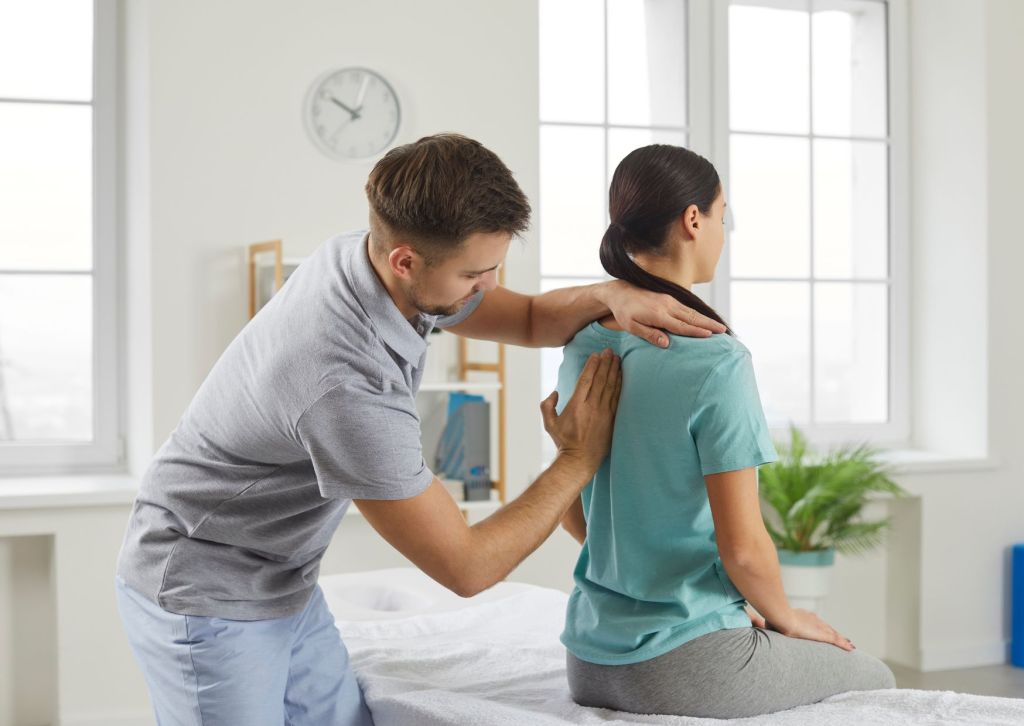
Living with scoliosis as an adult can pose unique challenges. The condition can affect physical and emotional well-being, from chronic back pain to difficulty performing everyday tasks. However, advancements in medical technology now offer practical solutions to help manage the symptoms of adult scoliosis. One such innovation is the Peak Scoliosis Bracing System—a noninvasive, dynamic brace designed to enhance comfort and restore mobility for those living with this condition.

For adults suffering from scoliosis, this bracing system can significantly improve posture, reduce pain, and enable better performance of activities of daily living. Let’s explore how the Peak Scoliosis Bracing System works and why it’s a game-changer for managing adult scoliosis.

Peak Scoliosis

What Is the Peak Scoliosis Bracing System?

The Peak Scoliosis Bracing System is an advanced, lightweight brace that supports the spine and alleviates the physical stress caused by scoliosis. Unlike traditional rigid braces, it is dynamic and adjustable, designed to move with the patient rather than restrict them. This design prioritizes comfort and functionality, making it an ideal choice for adults managing the long-term effects of scoliosis.

Key Benefits of the Peak Scoliosis Bracing System

Pain Relief

Chronic back pain is one of the most common symptoms of adult scoliosis. The Peak Scoliosis Bracing System redistributes pressure along the spine, reducing muscle strain and spinal stress. Many patients report noticeable pain relief, allowing them to engage in daily activities more efficiently.

Improved Posture

Scoliosis often causes visible curvature of the spine, which can impact posture and balance. The brace gently realigns the spine to a more neutral position, improving posture and reducing the risk of further complications.

Enhanced Mobility

Unlike rigid braces, the Peak Scoliosis Bracing System is designed to move with the patient. This flexibility allows individuals to perform activities such as walking, cooking, or even light exercise without feeling restricted.

Boosted Confidence

The visible effects of scoliosis can sometimes lead to self-consciousness or reduced confidence. By helping to correct posture and reduce the appearance of spinal curvature, the brace empowers patients to feel more comfortable in their bodies.

Noninvasive Solution

For adults with scoliosis who wish to avoid surgical options, the Peak Scoliosis Bracing System offers a noninvasive way to manage symptoms and improve quality of life.

How It Improves Activities of Daily Living

Tasks like bending, lifting, or even standing for extended periods can be exhausting for individuals with scoliosis. The Peak Scoliosis Bracing System supports the spine, making these activities less taxing. Patients often find that they can:

  • Stand or sit for more extended periods without discomfort.
  • Walk or climb stairs with improved stability.
  • Perform household chores like cleaning, cooking, or gardening with greater ease.
  • Engage in hobbies or light physical activities without exacerbating pain.

The brace helps patients regain independence and enjoy a more active lifestyle by improving mobility and comfort.

Real-Life Example: Maria’s Story

Maria, a 52-year-old office worker, had been living with scoliosis since her teens. As she aged, her condition worsened, making it difficult for her to sit at her desk for long hours or participate in her favorite activities, like yoga and gardening. After consulting her doctor, Maria was fitted with the Peak Scoliosis Bracing System.

Within weeks, she noticed significant pain relief and found it easier to maintain good posture while working. Over time, she regained the confidence to return to yoga, using modified poses to stay active. Today, Maria credits the brace with helping her reclaim her quality of life.

Why Consider the Peak Scoliosis Bracing System?

Finding the proper treatment can feel overwhelming for adults with scoliosis. The Peak Scoliosis Bracing System offers a practical, effective solution tailored to the unique needs of adults managing this condition. Whether you’re struggling with pain or reduced mobility or want to improve your posture, this brace can help you live a fuller, more active life.

If you’re living with scoliosis, speak with your healthcare provider about the Peak Scoliosis Bracing System. With proper support, you can regain control of your condition and enjoy the activities you love.

The Role of Injury Recovery Clinics in Managing DME and Bracing

Injury recovery clinics play a crucial role in helping individuals regain mobility, functionality, and independence after sustaining injuries or undergoing surgical procedures. Among the various services these clinics offer, managing durable medical equipment (DME) and bracing is vital in rehabilitation. DME and bracing are instrumental in providing support, stability, and protection to injured body parts, facilitating optimal healing and recovery.

patient care

DME encompasses various medical equipment to assist individuals in their daily activities and mobility. This includes crutches, walkers, wheelchairs, and orthotic devices like braces and splints. Bracing, specifically, involves using orthopedic braces to support and immobilize injured joints, muscles, or bones, promoting proper alignment and healing.

One of the critical roles of injury recovery clinics is to assess each patient’s unique needs and prescribe the appropriate DME and bracing solutions tailored to their condition. This involves thorough evaluations by skilled healthcare professionals, including physicians, physical therapists, and orthotists, to determine the most effective treatment plan. The goal is to optimize functionality, alleviate pain, prevent further injury, and expedite healing.

Injury recovery clinics collaborate closely with DME suppliers and orthotic manufacturers to ensure that patients receive high-quality and properly fitted equipment. Custom orthotic devices, such as knee braces, ankle supports, and spinal braces, may be fabricated to provide optimal support and comfort while addressing specific biomechanical issues. Proper fitting and adjustment of DME and braces are essential to maximize their effectiveness and minimize discomfort.

For patient care from orthopedic injuries or surgical procedures, bracing is vital in stabilizing injured joints and facilitating rehabilitation exercises. Orthopedic braces provide external support to weakened or damaged structures, allowing patients to regain strength gradually, range of motion, and function. Additionally, braces can help prevent excessive movement or loading of injured tissues, reducing the risk of complications and promoting safe healing.

Injury recovery clinics also offer comprehensive education and training on adequately using and maintaining dynamic AFO, DME, and braces. Patients receive instructions on how to wear, adjust, and care for their equipment to ensure optimal outcomes. Education may include guidance on proper body mechanics, activity modifications, and strategies for managing daily tasks while wearing braces or using assistive devices.

Furthermore, injury recovery clinics closely monitor patients’ progress throughout rehabilitation, adjusting treatment plans and equipment to support their evolving needs. Regular follow-up appointments allow healthcare providers to assess the effectiveness of DME and bracing interventions, address any concerns or issues, and make necessary modifications to optimize patient outcomes.

In conclusion, injury recovery clinics are critical in managing DME and bracing for patients undergoing rehabilitation for orthopedic injuries or surgical procedures. By providing personalized assessments, custom-fitted equipment, comprehensive education, and ongoing support, these clinics help patients regain function, mobility, and independence on their journey to recovery. Effective management of DME and bracing is essential for promoting optimal healing, preventing complications, and facilitating the return to an active and healthy lifestyle.

Exploring the T Scope Knee Brace in Post-Operative Recovery

Orthopedic surgeries, particularly those involving the knee, often demand comprehensive rehabilitation to ensure a patient’s swift and effective recovery. In this journey toward healing, post-operative knee braces play a pivotal role, providing support, stability, and protection. Among these, the T Scope Knee Brace is a leading orthopedic tool designed to facilitate optimal recovery for individuals undergoing knee surgery.

T Scope Knee Brace

Understanding the T Scope Knee Brace

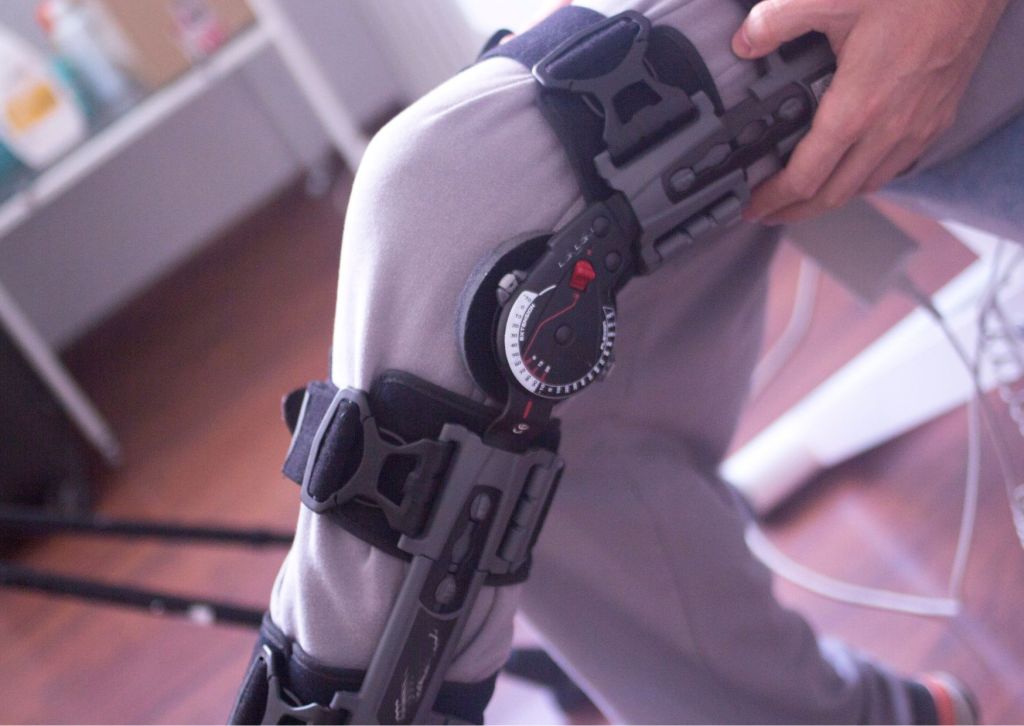
The T Scope Knee Brace is a sophisticated orthopedic device engineered for post-operative knee support. Its design encompasses a range of features tailored to meet the specific needs of patients recovering from knee surgeries, such as ACL reconstruction, meniscus repair, and total knee arthroplasty. Its emphasis on immobilization and controlled, adjustable range-of-motion settings sets the T Scope apart.

Customizable Range of Motion:

One of the standout features of the T Scope Knee Brace is its ability to facilitate controlled movement during the rehabilitation process. Physicians can prescribe specific ranges of motion, allowing gradual and targeted flexion and extension based on the individual’s recovery stage. This customization ensures that the knee joint is protected from undue stress while enabling mobility for rehabilitation exercises.

Post-Operative Stability:

Following knee surgery, stability is paramount to prevent unintended movements that could compromise the surgical outcomes. The T Scope achieves this with its sturdy frame and secure strapping system. The brace acts as a safeguard, limiting excessive motion and providing a sense of security to patients as they navigate the initial phases of post-operative recovery.

Comfort and Compliance:

Patient compliance is an essential factor in the success of post-operative rehabilitation. The T Scope Knee Brace addresses this by incorporating design elements focused on comfort. Padded straps, adjustable hinges, and breathable materials create a positive patient experience. Comfortable braces are more likely to be worn consistently, promoting adherence to the prescribed rehabilitation plan.

Facilitating Early Mobility:

The T Scope’s emphasis on adjustable range-of-motion settings also enables healthcare professionals to initiate early mobilization strategies. Early mobilization is associated with several benefits, including reduced stiffness, prevention of muscle atrophy, and improved circulation. The T Scope supports a more proactive approach to post-operative care by adapting the brace to allow controlled movement.

Rehabilitation Protocols:

Orthopedic surgeons and physical therapists often integrate the T Scope Knee Brace into comprehensive rehabilitation protocols. These protocols typically include controlled exercises, physiotherapy, and orthopedic devices to optimize recovery. The brace is critical in guiding the knee through a structured and progressive rehabilitation process.

The T Scope brace is a reliable companion for patients and healthcare professionals. Its customizable features, emphasis on controlled range of motion, and patient-centric design contribute to its effectiveness in promoting optimal recovery. As orthopedic technology advances, the T Scope is a testament to the commitment to enhancing the post-operative experience for individuals undergoing knee surgeries.