Injury recovery can be long and challenging, especially for back injuries. Back injuries significantly impact daily activities and overall quality of life. For individuals recovering from back injuries, a lumbar back brace can provide the necessary support and stability to aid in healing. Additionally, Durable Medical Equipment (DME) plays a critical role in injury recovery by providing patients with the tools and devices they need to safely and effectively manage their injuries.
What is a Lumbar Back Brace?
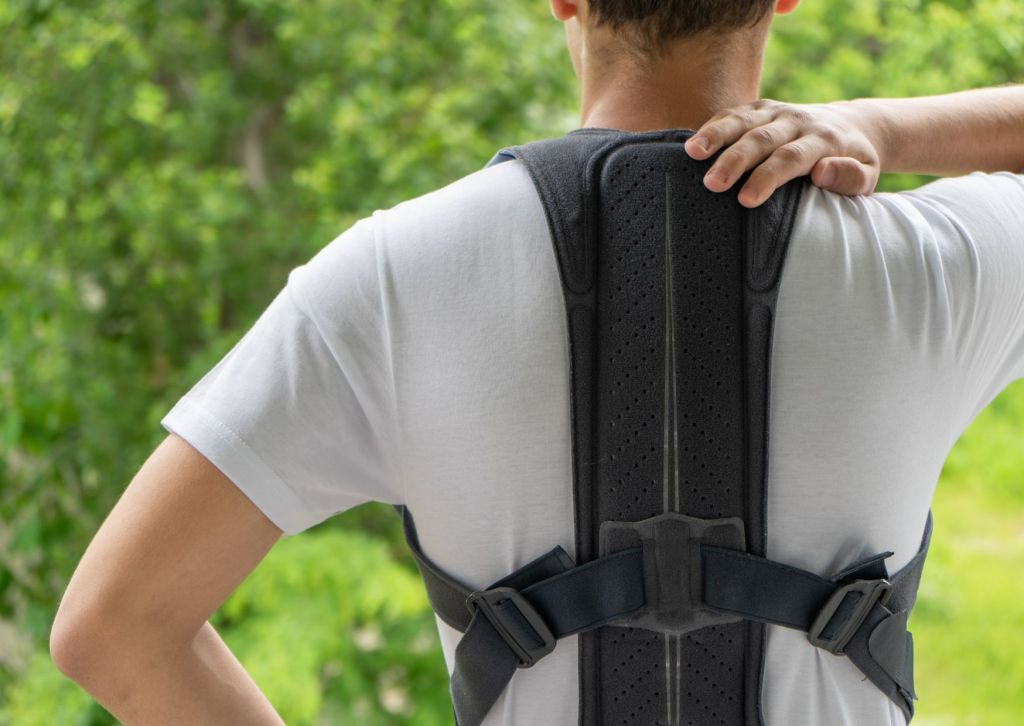
A lumbar back brace is a medical device designed to support the lower back or the lumbar region by stabilizing the spine and restricting excessive movement. These back supports are commonly used for individuals suffering from back pain, recovering from surgery, or healing from injuries. Lumbar supports come in various designs – from rigid braces that offer maximum support to flexible braces that provide moderate support while allowing some movement.
The primary goals of using a lumbar back brace include:
- Pain relief: A back brace can alleviate pressure on the injured area by limiting movement and providing support to the spine, aiding in pain reduction.
- Promoting healing: A brace can keep the spine properly aligned, which helps prevent further injury. It also promotes the healing of muscles, ligaments, and bones.
- Improved posture: Many back braces are designed to encourage proper posture, which helps reduce strain on the back muscles and prevent further injury.
- Enhanced mobility: By providing support, back braces allow individuals to move more comfortably during recovery without putting additional stress on their injured back.
How Lumbar Back Braces Aid in Recovery
Back injuries can be debilitating, leading to restricted mobility, discomfort, and prolonged healing. A Miami lumbar back brace can significantly enhance recovery by offering the following benefits:
Stabilization of the Spine
One of the most essential roles of a lumbar brace is to stabilize the spine. For patients recovering from injuries or surgery, excessive movement can delay healing or exacerbate the injury. A brace helps keep the spine in proper alignment, reducing unnecessary strain on the muscles and ligaments.
Reduction of Pain and Discomfort
Lower back pain can be one of the most challenging aspects of injury recovery. Lumbar braces help alleviate pressure on the injured area, relieving pain and discomfort. This pain reduction can enable patients to perform daily activities more easily. It is essential to maintain a positive mindset during recovery.
Prevention of Further Injury
During the recovery process, the body is more vulnerable to additional injuries. A lumbar brace acts as a protective barrier, limiting movements that could strain the back and lead to further damage. By preventing further injury, a brace can help accelerate the healing process.
Support for Daily Activities
A lumbar back brace allows patients to perform necessary daily tasks, such as walking, sitting, or standing, without risking injury. This support can make a significant difference in maintaining independence during recovery and avoiding additional discomfort caused by improper movements.
Recovering from a back injury can be a long and challenging journey. The right support tools, such as lumbar back braces and durable medical equipment, can make the process more manageable. Back braces provide stabilization, reduce pain, and prevent further injury, allowing patients to heal more effectively. DME offers a wide range of devices to enhance mobility, support recovery, and promote independence during healing.
 Durable Medical Equipment