Physical therapy is a cornerstone of orthopedic recovery, providing patients a structured path toward healing and reclaiming their quality of life. Whether recovering from surgery, an injury, or managing chronic orthopedic conditions, physical therapy offers a tailored approach to help individuals regain strength, mobility, and overall functionality.
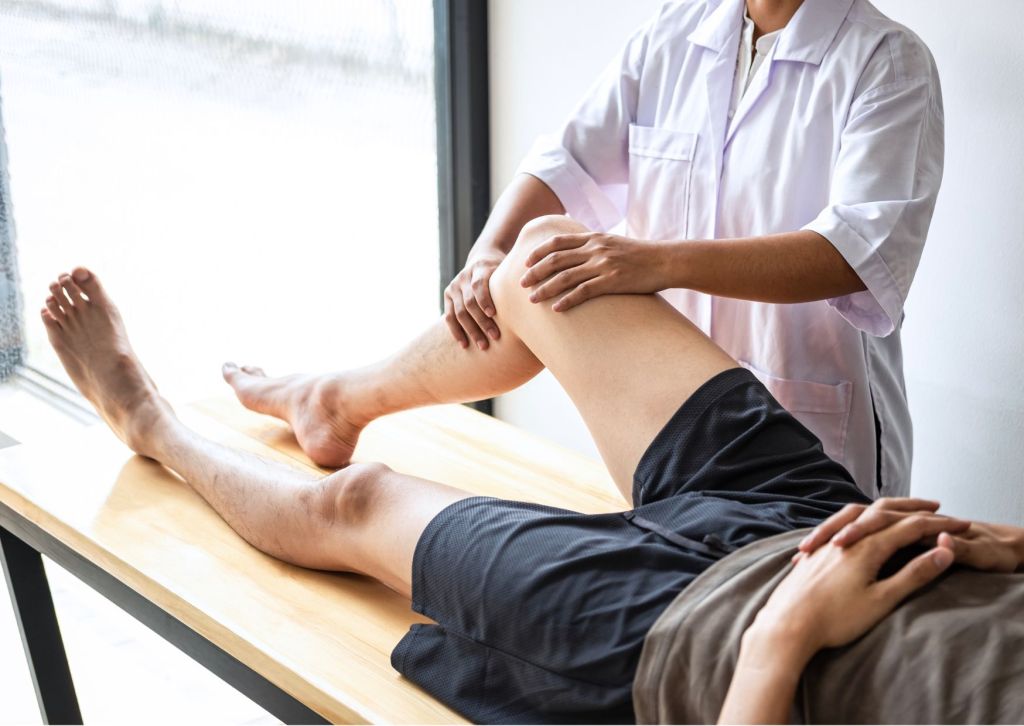
The Foundation of Physical Therapy in Orthopedic Care
Orthopedic conditions often affect the musculoskeletal system—including bones, joints, muscles, tendons, and ligaments—making movement and everyday activities challenging. Physical therapy addresses these challenges through a combination of evidence-based practices and personalized care plans designed to:
Reduce Pain: Therapists use techniques like manual therapy, targeted exercises, and modalities such as heat, ice, and electrical stimulation to alleviate inflammation and pain.
Restore Mobility: Joint stiffness and muscle tightness are standard after orthopedic injuries or surgeries. Physical therapists implement stretching and mobility exercises to restore the range of motion, making daily activities easier.
Rebuild Strength: Injury or surgery can lead to muscle atrophy and weakness. A tailored strengthening program helps rebuild muscle power and support around affected areas, reducing re-injury risk.
Improve Balance and Coordination: Many orthopedic issues impact balance and stability. Therapists incorporate specific exercises to enhance coordination and reduce the likelihood of falls.
Prevent Future Injuries: By addressing underlying imbalances and teaching proper movement techniques, physical therapy not only aids recovery but also equips patients with the tools to prevent future problems.
A Collaborative and Personalized Approach
One of the most unique aspects of physical therapy is its highly individualized nature. Each patient’s recovery journey is different, influenced by factors such as the type and severity of the orthopedic issue, age, activity level, and personal goals. Physical therapists collaborate closely with patients to create realistic, achievable plans that adapt as progress is made.
For example, someone recovering from a total knee replacement might start with gentle range-of-motion exercises and progress to weight-bearing activities and strength training. Conversely, a rotator cuff injury patient may focus on restoring shoulder stability and strength through targeted resistance exercises.
The Emotional Impact of Physical Therapy
Orthopedic recovery is not only a physical challenge but often an emotional one. The inability to perform daily activities or participate in beloved tasks can take a toll on mental health. Physical therapy addresses this by:
Building Confidence: As patients see tangible improvements in their strength and mobility, they regain confidence in their body’s healing ability.
Providing Support: Physical therapists act as coaches and cheerleaders, offering encouragement and celebrating milestones.
Fostering Independence: The ultimate goal of physical therapy is to empower patients to take charge of their recovery and return to a fulfilling, active lifestyle.
Success Stories: The Transformative Power of Physical Therapy
Consider the story of a marathon runner who suffered a stress fracture. With the help of physical therapy under the care of an orthopedic recovery care company, they transitioned from crutches to strength-building exercises, eventually returning to the sport they love. Or think of an elderly individual recovering from a hip replacement who, after months of therapy, can once again enjoy walking in the park with their grandchildren.
These stories underscore physical therapy’s transformative impact on physical and emotional well-being.
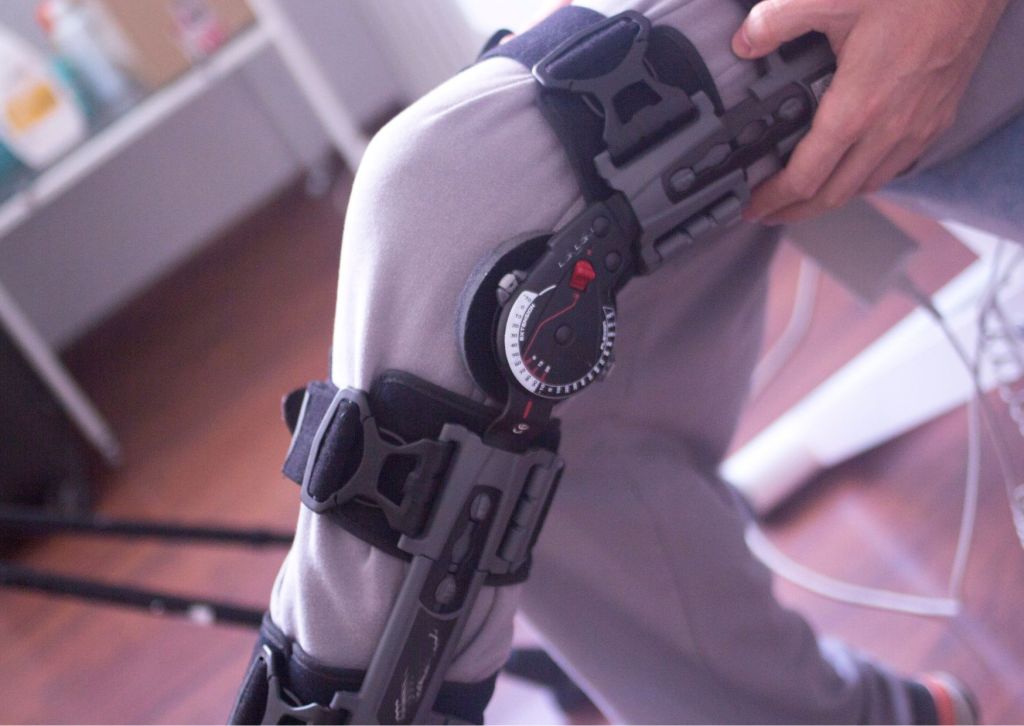
Physical therapy is more than just a recovery tool; it is a lifeline for individuals navigating the challenges of orthopedic injuries or surgeries. By addressing pain, restoring function, using a bracing support such as the Unloader One® Lite knee brace, and empowering patients, physical therapy lays the groundwork for a healthier, more active future. If you or someone you know is on the path to orthopedic recovery, embracing physical therapy could be the key to unlocking their full potential.
 Durable Medical Equipment